




Edwardian Charcoal Drawing
An edwardian charcoal drawing offers an atmospheric glimpse into early twentieth-century life, prized by collectors for its moody tonal depth and direct hand of the artist.
Edwardian Charcoal Drawing
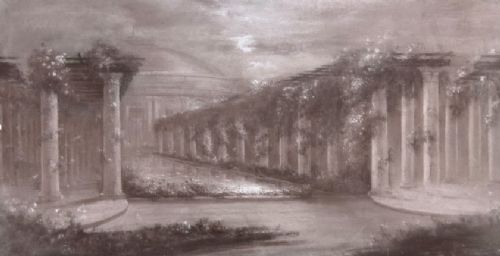
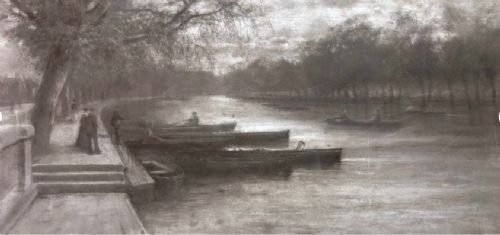
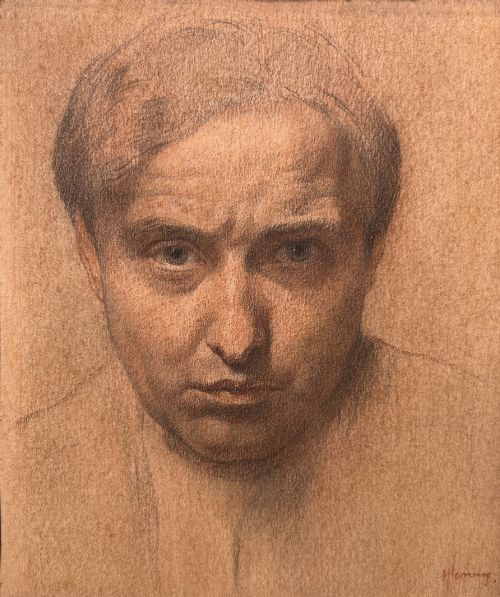
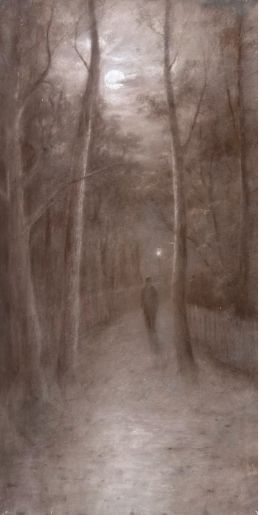
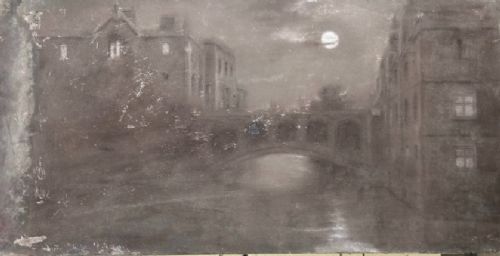
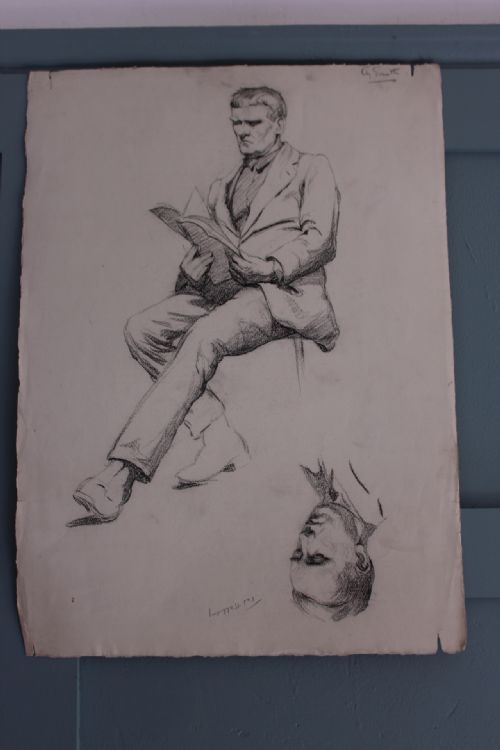
When searching for an edwardian charcoal drawing, buyers encounter original works on paper capturing landscapes, city scenes, and intimate portraits. These pieces reflect the prevailing aesthetic currents of the early twentieth century, spanning from atmospheric tonalism to academic realism.
The selections available here range from quiet English riverbanks and coastal walks to portraits of notable public figures and life studies from art schools. Such works bridge the gap between swift preparatory sketches and finished exhibition pieces.
Quality and Distinction
Distinction in these works lies in the sureness of the draughtsmanship and the artist's ability to capture atmospheric light and shadow. Strong compositions demonstrating the tonalist influence stand apart from more rigid academic exercises.
Provenance and subject matter significantly influence the standing of a piece, particularly when capturing identifiable figures or recognised locations. The preservation state of the paper and the integrity of the charcoal surface further determine the standing of each drawing.
Current listings feature works from the nineteenth century through the 1930s, executed primarily in charcoal and graphite on paper.
Herbert Johnson Harvey·J D Fergusson·Winifred Eugene Ballard·Reginald G. Eves·John Seymour Lucas·Ernest Borough Johnson·Francis O. A. Haviland·Francis Dodd·Cecil CP Lawson
The Edwardian Charcoal Drawing Glossary
- Tonalism
- An artistic style focusing on atmospheric moods, shadow, and soft light rather than crisp linear definition. It heavily influences many early twentieth-century landscape works.
- Academic Realism
- A style of painting and drawing stemming from the standards of European art academies. It emphasises accurate anatomy, careful observation, and lifelike representation.
- Canvas Stretcher
- A wooden frame that supports stretched fabric. Selected charcoal drawings in this collection utilise paper attached to this form of backing.
- Life Study
- A drawing executed directly from a live human model. These pieces often serve as training exercises in art schools to master proportion and form.
Edwardian Charcoal Drawing: Frequently Asked Questions
What subjects appear in these drawings?
The subjects range widely across British landscapes, coastal scenes, and formal portraiture of historical figures. Artists also produced life studies and intimate character portraits.
Many urban and rural views capture specific locations such as Cambridge, London, and various coastal walks. Portrait subjects include actors, explorers, and politicians of the era.
How should charcoal drawings be displayed?
These works require protective framing behind glass to shield the delicate carbon medium from airborne dust and physical contact. Direct sunlight should be avoided to prevent paper degradation and fading.
Maintaining stable indoor humidity levels protects both the paper substrate and any wooden frames. Proper mounting ensures the paper does not touch the glass directly.
How are periods identified?
Dating relies on artist biographical details, stylistic signatures, and period framing techniques. Many works carry specific dates or reflect the distinct aesthetic of the Edwardian era.
Comparative analysis with known works by artists from the early twentieth century helps confirm the timeframe. Subject dress and hairstyles also offer clues for undated portraits.
What is tonalism?
Tonalism is an artistic approach that prioritizes shadow, atmosphere, and muted colour or monochrome values over sharp details. It creates a moody, reflective quality in landscapes.
In charcoal works, this style manifests as soft transitions between deep blacks and pale highlights, often evoking mist, dusk, or twilight.