


Original Edwardian Framed Artwork
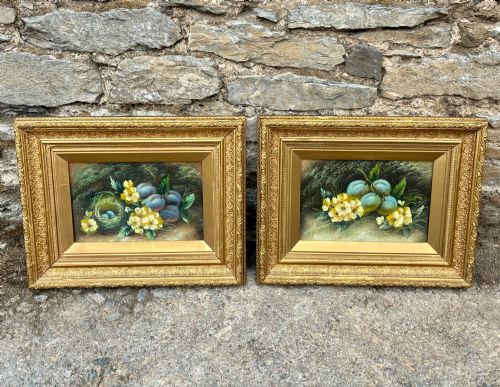
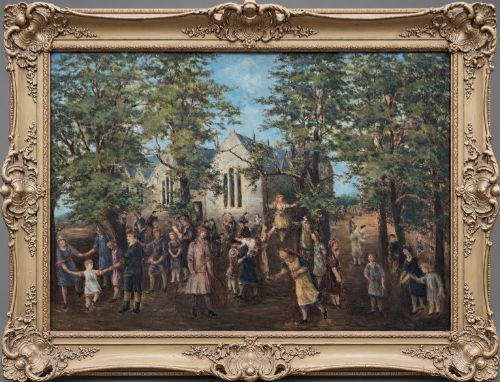
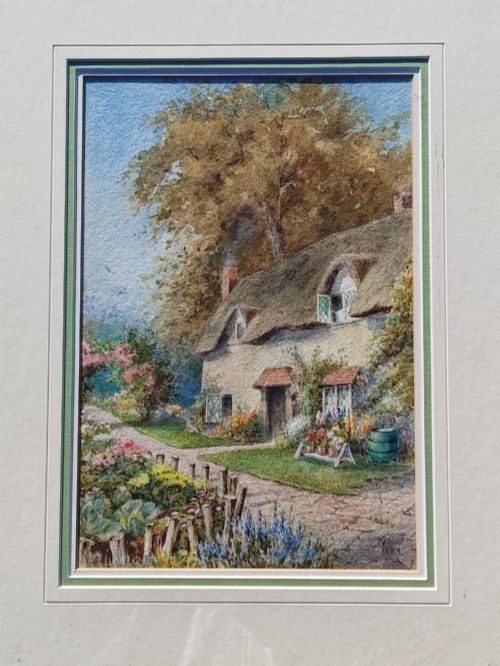
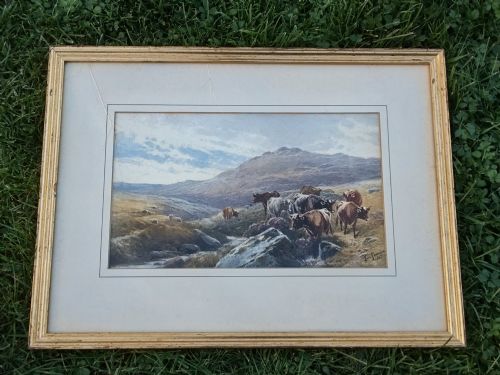
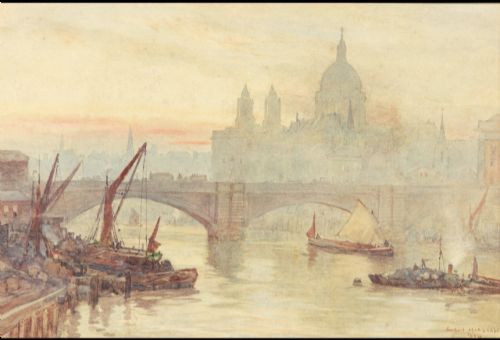
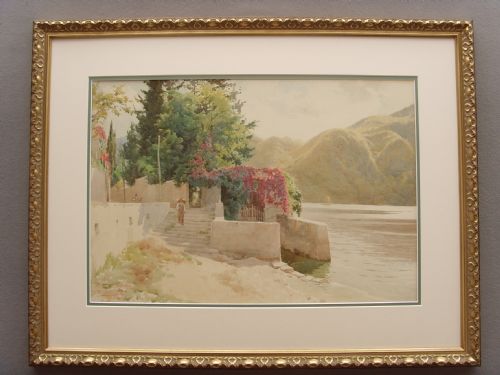
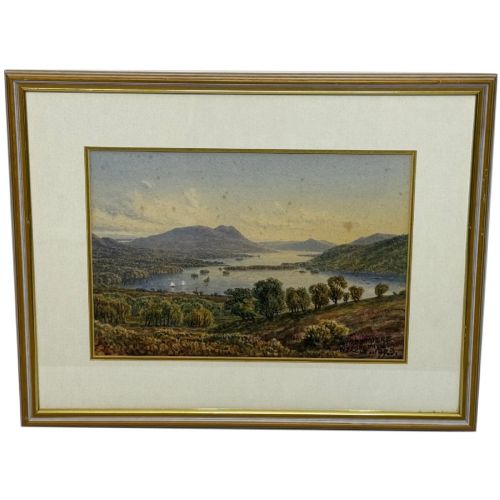
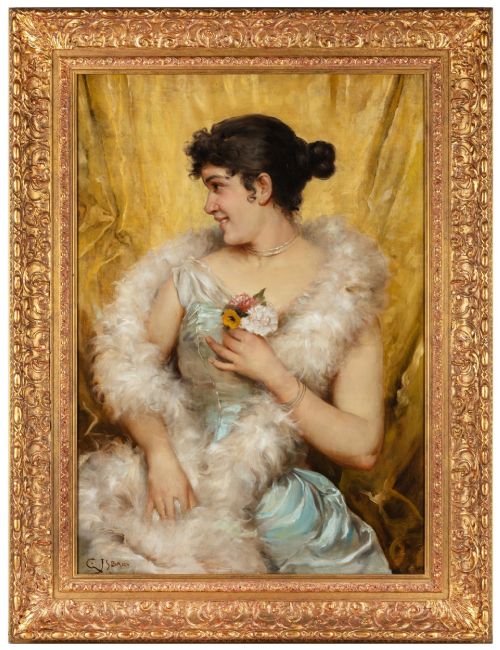
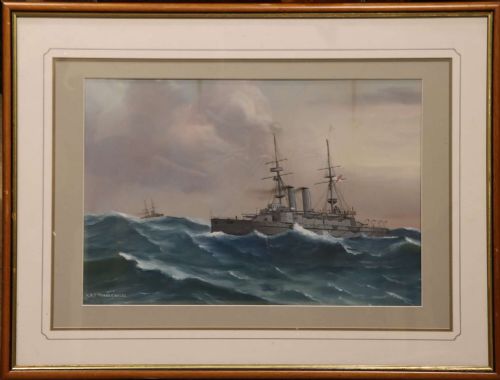
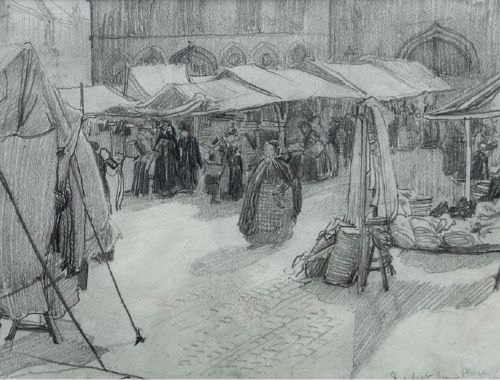
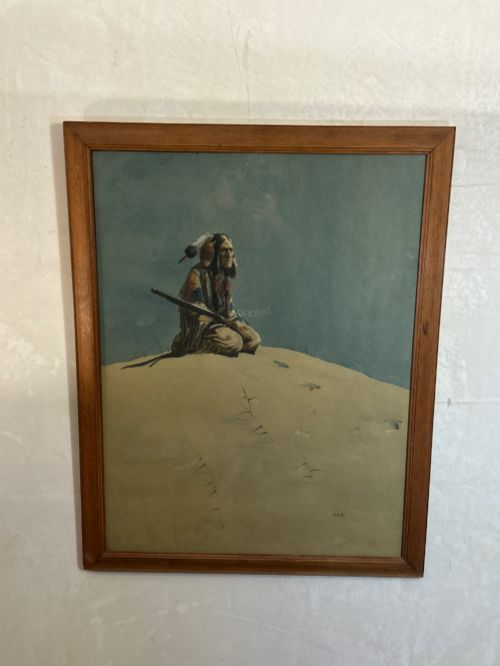
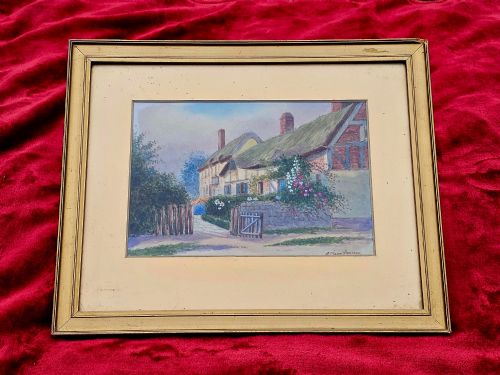
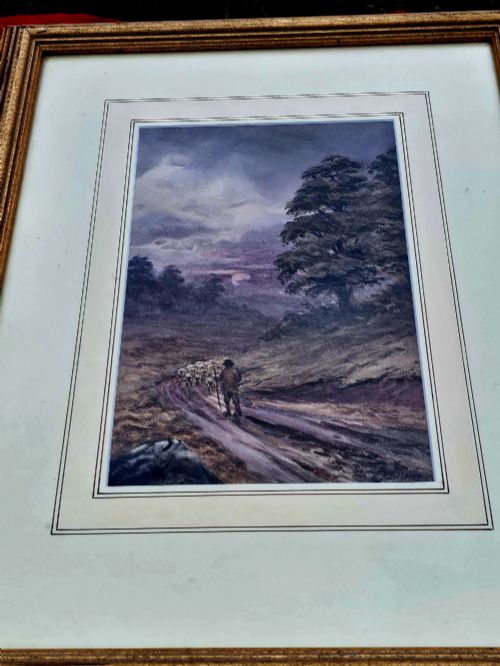
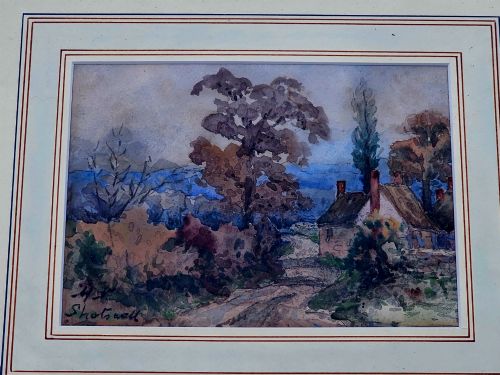
Original edwardian framed artwork brings character into a room through genuine period watercolours, oils, and etchings preserved in wood and gilt frames.
Original Edwardian Framed Artwork
Buyers seeking original edwardian framed artwork encounter pieces that capture early twentieth-century life, landscapes, and portraiture from the Edwardian period alongside late nineteenth-century and early twentieth-century examples.
The selections span watercolours, oil paintings on canvas or card, charcoal drawings, and etchings, reflecting the artistic output of British Impressionism, Belle Epoque, and Edwardian Tonalism.
Framed watercolours and oil paintings dominate the selection, often housed in period wood or giltwood frames that complete the presentation of each work.
Materials and construction
Works utilise traditional painterly media including watercolour, oil on canvas, ink, and pencil on paper or vellum.
Mountings rely on wood and giltwood framing techniques typical of the period to house paper and canvas supports safely behind glass where appropriate.
Listings feature works spanning the nineteenth century through the 1930s, utilising paper, glass, wood, watercolour, oil, giltwood, and ink.
Distinctions in quality
The strength of a piece depends on the surety of the artist's hand, whether in the delicate wash of a watercolour or the confident application of oil on canvas.
Condition of the medium and the integrity of the period frame contribute significantly to the overall presence of the artwork.
Henry Percy Huggill·William H Myers·Thomas Ellison·John Hassall·A Marie Parsons·EJ Letheren·Stephen Samuel Lewin·William Joseph Boyes·Herbert Dicksee·Henry Silkstone Hopwood·John Smith Atherton·Ernest Arthur Rowe·Henry Windsor Fry·John Hodgson Lobley·George Oyston·Sir Alfred East·Frederick James Kerr·Edgar Hunt·Harold Knight·Maud Raphael Jones·Edward Warren Bonomi·William Matthison·Arthur Dudley·Thomas Hodgson Liddell·Emily Eyres
The Original Edwardian Framed Artwork Glossary
- Etching
- A printmaking process where lines are bitten into a metal plate with acid before being inked and pressed onto paper or vellum. This technique allows for fine, detailed line work.
- Watercolour
- A paint consisting of pigment suspended in a water-based solution, traditionally applied to paper. It creates luminous, transparent washes of colour.
- Giltwood
- Wood carved and coated with gold leaf or a gold-coloured finish. It provides a reflective, ornate border for paintings and mirrors.
- British Impressionism
- An art movement focusing on light, everyday subjects, and loose brushwork, influenced by continental styles adapted by British painters.
- Vellum
- A fine parchment made from prepared calfskin, often utilised for high-quality print proofs and special editions during the period.
Original Edwardian Framed Artwork: Frequently Asked Questions
How do I care for antique watercolours?
Keep works on paper out of direct sunlight to prevent the pigments and washes from fading over time. Maintain a stable room temperature to protect both the paper support and the antique frame.
Ensure that the glass remains intact to shield the delicate medium from atmospheric moisture and dust.
Are these works signed by the artists?
Many pieces feature artist signatures, monograms, or inscriptions left by the painter or printmaker at the time of creation. These marks help attribute works to specific figures of the period.
Unsigned pieces are typically identified through stylistic characteristics and contemporary school traits.
What framing comes with the artwork?
Pieces are commonly housed in their period wood or giltwood frames, which reflect the framing styles of the early twentieth century. These housings often show age appropriate to the era.
Retaining the original frame preserves the historical integrity of the piece.
How do I distinguish an etching from a painting?
Etchings display inked lines printed from a metal plate onto paper or vellum, often marked as artist proofs or limited editions. They rely on fine lines and tonal hatching rather than brushstrokes.
Paintings show textured layers of pigment applied directly with a brush onto canvas, panel, or card.