
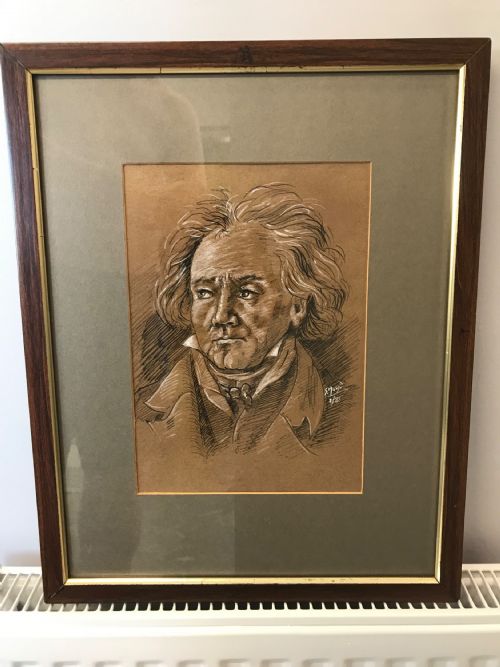
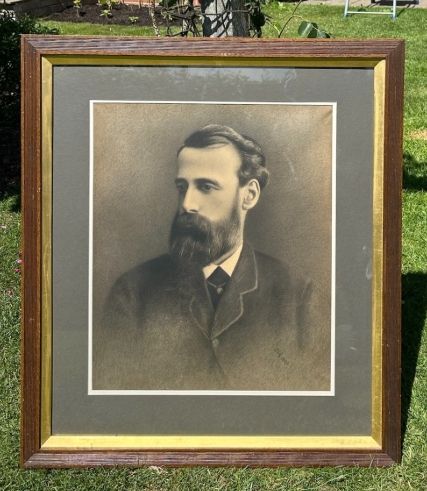


Framed Monochrome Portrait Drawing
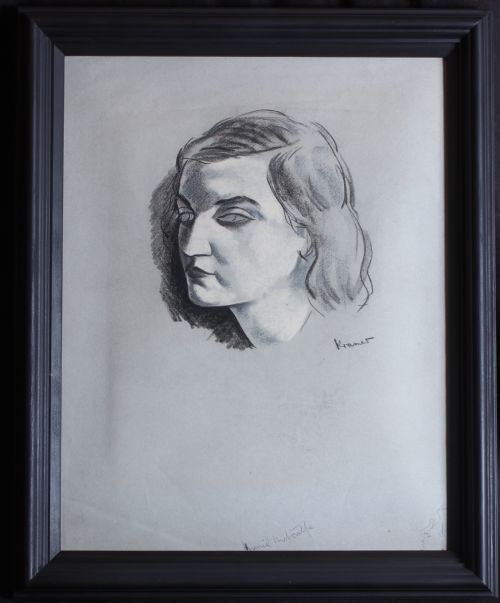
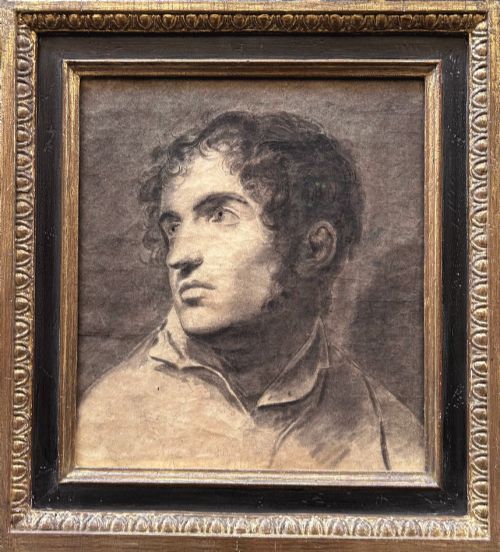
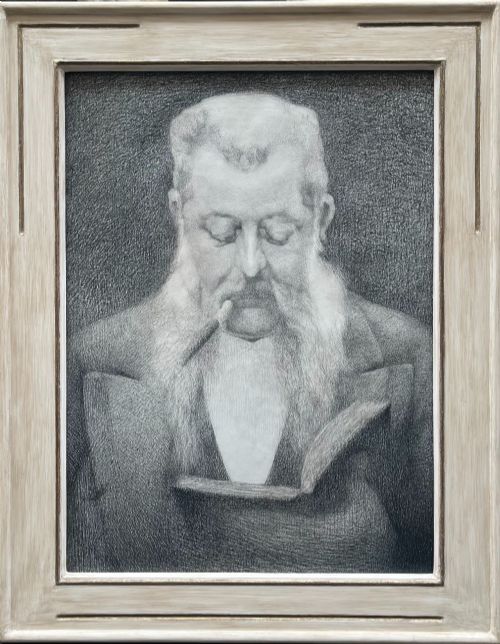
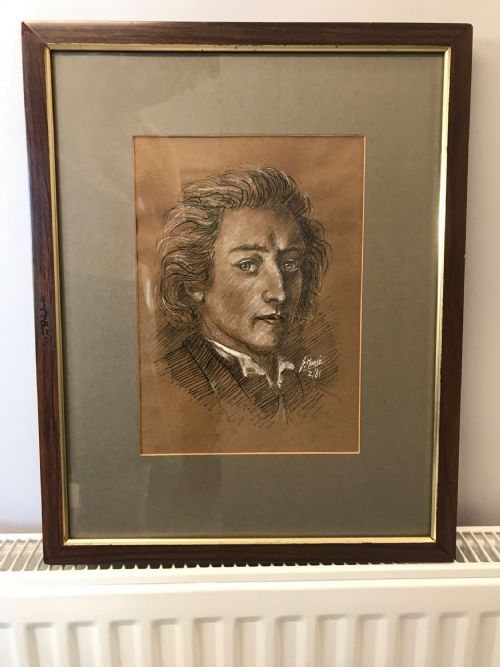
A framed monochrome portrait drawing brings immediate character to a room, offering the focused intensity of ink, pencil or charcoal behind glass.
Framed Monochrome Portrait Drawing
When searching for a framed monochrome portrait drawing, buyers encounter works executed in charcoal, graphite, ink, and pencil on paper, typically housed behind protective glass within wooden or gilded frames. These pieces span from the Georgian and Victorian eras through the Edwardian period and into mid-century and later modernist interpretations.
The most common examples on this page are nineteenth-century and early twentieth-century studies depicting gentlemen, ladies, and notable figures in Academic Realism, French School, and Symbolist styles. Such artworks range from rapid studio sketches and academic life studies to finished portrait miniatures.
Subjects include identified historical figures, composers, artists, and unknown sitters captured by European, African, and Middle Eastern makers. Each piece relies entirely on tone, line, and shadow rather than colour to establish likeness and presence.
Materials and technique
Artists relied primarily on paper supports, applying media such as graphite pencil, compressed charcoal, plumbago, and pen ink with wash. Many works incorporate gouache or subtle watercolour touches to heighten specific areas within an otherwise monochromatic scheme.
Execution methods vary from delicate, highly controlled plumbago miniatures requiring exceptional draughtsmanship to loose, atmospheric charcoal strokes capturing rapid academic life studies. These works are preserved beneath glass and mounted within traditional wood or giltwood frames.
Materials across these listings span basic pencil and charcoal through to ink wash, gouache, and plumbago on paper.
The measure of quality
Quality rests upon the certainty of the line, the sensitivity of tonal graduation, and the artist's ability to command likeness and depth using only monochrome media. Superior examples demonstrate confident draughtsmanship where every mark serves the anatomy and expression of the sitter.
Condition of the paper support and the integrity of the original framing elements influence the standing of a piece. Works that retain strong contrast without excessive fading or paper acidification represent the upper tier of the range.
John Taylor·Sir Edwin Landseer·J D Fergusson·Augustus Edwin John·Winifred Eugene Ballard·Charles Prosper Sainton·John Duncan Fergusson·Faeq Hassan·Ernest Borough Johnson·Francis Frank O A Haviland·Cecil CP Lawson·Juliet Pannett
The Framed Monochrome Portrait Drawing Glossary
- Plumbago
- An early form of graphite drawing executed with fine precision, often producing a silvery, detailed monochrome image on vellum or prepared paper. The technique was particularly favoured by portraitists in the eighteenth century.
- Charcoal
- A dry drawing medium made from charred organic material that produces deep blacks and soft, smimmable grey tones. It allows artists to work rapidly for dramatic, atmospheric effect.
- Giltwood
- Wood that has been coated with a thin layer of gold leaf or gilt gesso. It forms the decorative border of many traditional picture frames.
- Academic Realism
- A style of painting and drawing produced under the influence of European academies of art. It prioritises strict anatomical accuracy, polished finish, and adherence to classical traditions.
- Gouache
- An opaque water-soluble paint sometimes applied to monochrome drawings to add highlights. It provides dense, flat coverage that contrasts with translucent washes.
Framed Monochrome Portrait Drawing: Frequently Asked Questions
How should I hang these drawings?
Keep these works away from direct sunlight to prevent the paper support and ink or charcoal mediums from fading over time. Maintaining stable indoor humidity also protects the paper and preserves the wooden or giltwood frame.
Group several pieces together on a wall to create a striking gallery display that highlights the variety of nineteenth and twentieth-century tonal styles. Alternatively, hang a single portrait in a study or hallway where its intimate scale can be appreciated up close.
Are these works original or prints?
The items listed are original hand-drawn or painted works created directly by the artist using graphite, charcoal, ink, or pencil on paper. Each piece displays unique hand-applied strokes and textures that distinguish a singular artwork from a mechanical reproduction.
Close inspection under natural light reveals the actual buildup of pigment and the indentations of pencils or charcoal sticks upon the paper surface. This direct touch of the maker defines the character of original fine art drawings.
How do I identify the period?
Dating relies on stylistic clues such as the sitter's costume, hair styling, and framing materials, alongside the characteristic techniques of specific art schools. Victorian and Edwardian works often feature formal attire and heavier gilt or dark wood frames, while later twentieth-century pieces adopt freer modernist lines.
Signatures, artist dates, and inscriptions on the reverse or front of the paper further help anchor a piece within a particular decade. Comparing the handling of the medium to documented works from academic or regional schools provides additional context.
What is plumbago?
Plumbago is an early form of graphite drawing named after the Latin word for lead ore, popular during the seventeenth and eighteenth centuries. Artists used finely pointed graphite to create highly detailed, miniature portraits with a distinct silvery sheen.
These delicate works require careful preservation behind glass to protect the soft graphite lines from smudging. They represent a specialised, highly refined precursor to nineteenth-century pencil drawing.