



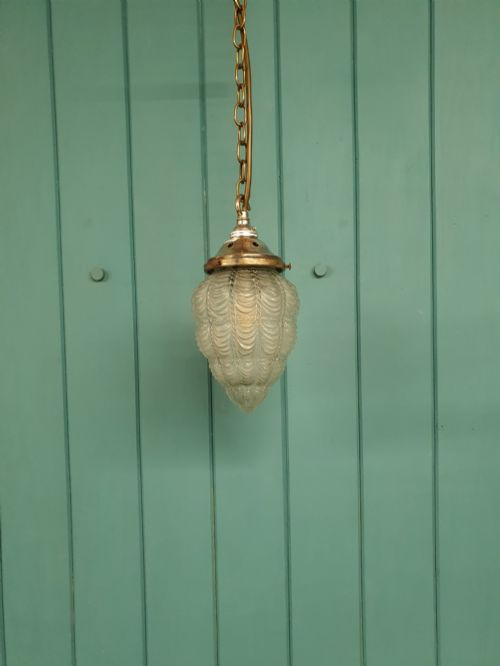


Molded Glass Lighting
Moulded glass lighting brings structural form and diffused illumination together, spanning oil lamps to Art Deco pendants.
Molded Glass Lighting
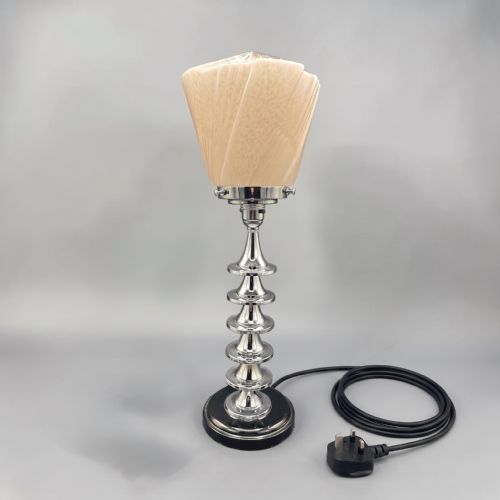
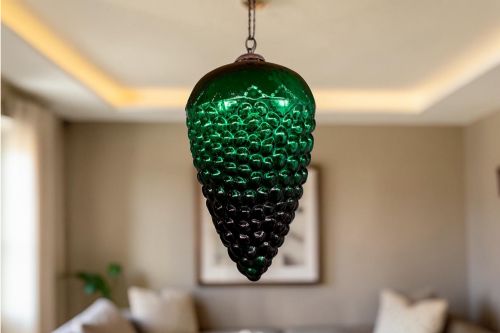
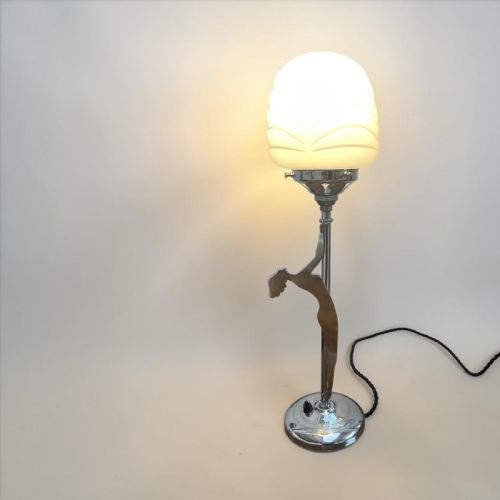
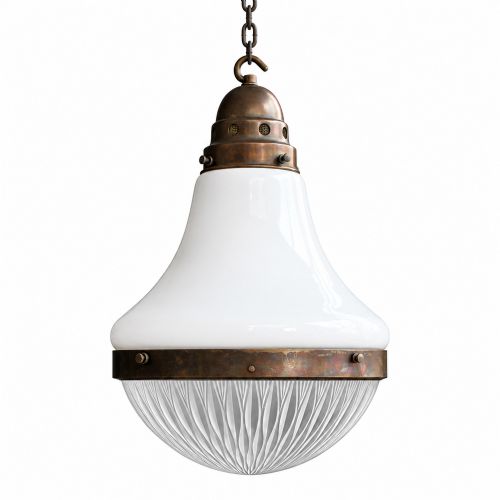
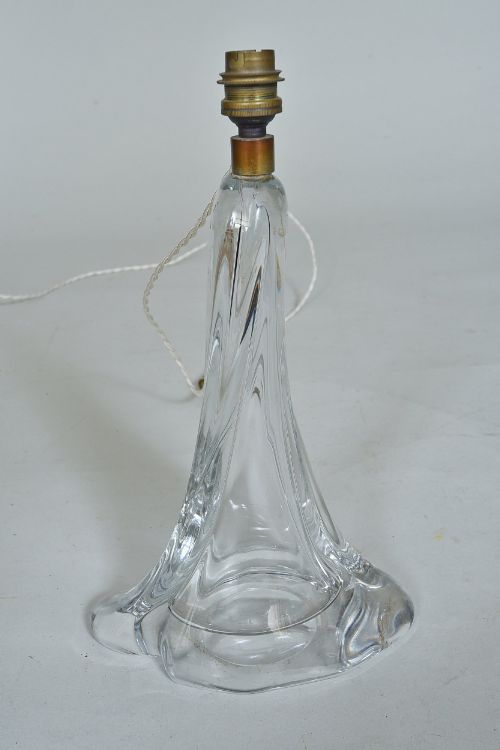
Moulded glass lighting encompasses pendant lights, wall sconces, table lamps, and ceiling fixtures produced across the nineteenth and twentieth centuries. The selection draws heavily from the Art Deco period, alongside Edwardian, Victorian, and mid-century examples.
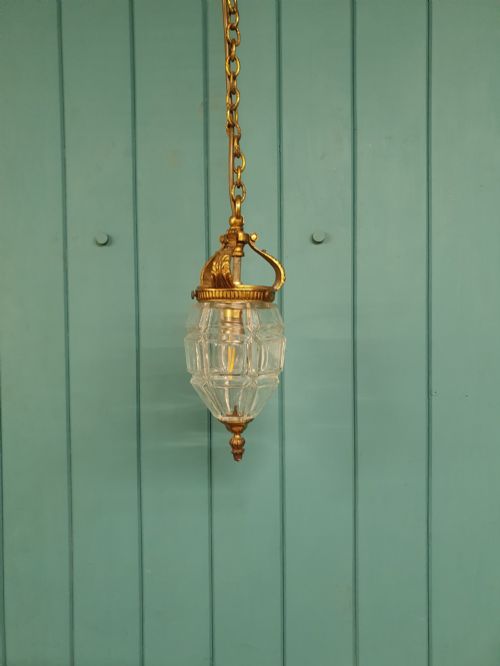
Wall lights and hanging lanterns frequently pair moulded or frosted glass shades with brass, bronze, chrome, or nickel mounts. Pendant lighting ranges from single-bulb drop shades to multi-tiered chandeliers originating from French and British workshops.
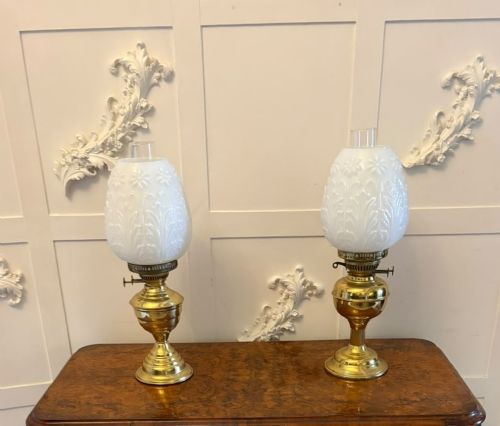
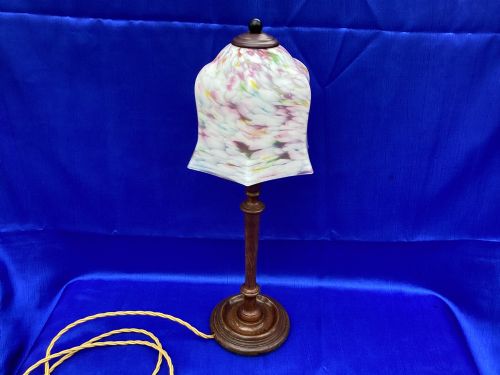
Table lamps span from conversion oil lamps featuring opaline and satin glass to electrical designs utilising geometric slip shades and pressed glass cylinders. Buyers encounter distinct regional styles, particularly French provincial and neoclassical lighting designs.
Materials and construction methods
Pieces combine heavy-pressed, frosted, opaline, or clear glass with structural metals such as brass, copper, silver-plating, and chrome. Molten glass was pressed into metal moulds to achieve geometric reliefs, floral motifs, and textural scales.
Metal components provide the armature for suspension lanterns, wall brackets, and table lamp bases, secured with screws, galleries, and chains. Finish details involve nickel-plating, gilt metal accents, and patinated bronze hardware.
Molded Glass Lighting Retail Price Guide 2026
Typical asking prices for molded glass lighting among the pieces listed under this phrase on Sellingantiques today, from the lower quarter to the upper quarter. They describe what is for sale here now, not the wider market.
Flying cherubs share lighting duties with geometric Art Deco cylinders across the metalwork selections.
Assessing quality in moulded glass fixtures
Quality rests in the crispness of the glass moulding, the depth of relief work, and the weight of the metal fittings. Finer pieces display sharp detailing in pressed motifs without surface distortion or pooling in the glass.
The integration between metal mounts and glass components indicates standard versus superior execution, visible in snug galleries and substantial structural gauge. Signed works by notable glassmakers separate standard commercial production from master-level output.
R Lalique·Muller Bros·Jean Gauthier·Ezanville
The Molded Glass Lighting Glossary
- Slip shade
- A type of moulded glass shade designed to slide directly into a metal frame or sconce basket. These shades form the defining profile of many ceiling and wall fixtures.
- Plafonnier
- A flush or semi-flush ceiling light featuring a bowl-shaped glass shade held close to the ceiling. This French form is common in interwar interiors.
- Opaline glass
- An opaque, milky-white glass developed to soften and diffuse light efficiently. It appears frequently in nineteenth-century and early twentieth-century shades.
- Peg oil lamp
- A small oil lamp featuring a protruding base or peg designed to drop directly into a separate candlestick or reservoir. Many were later converted for electricity.
- Satin glass
- Glass treated with acid to produce a velvety, non-reflective surface finish. The technique mutes direct glare while highlighting moulded surface textures.
Molded Glass Lighting: Frequently Asked Questions
How do I wire antique moulded glass lights?
Most antique fixtures require rewiring to meet current electrical standards. A qualified electrician can thread modern flex through existing brass and bronze channels.
Original metal galleries and lamp holders should be retained where possible to preserve the historical integrity of the mounting.
Can I replace a broken glass shade?
Finding an exact period replacement for a moulded glass shade proves challenging due to unique manufacturer moulds and specific fitter dimensions. Collectors usually source matched antique replacements from specialist dealers.
Measuring the exact fitter rim diameter remains essential before attempting to pair a shade with an existing antique frame.
What is the difference between opaline and frosted glass?
Opaline glass is an opaque, milky white material created during the manufacturing process by adding bone ash or opacifiers. It diffuses light evenly while blocking direct visibility of the bulb.
Frosted glass starts as clear or coloured material that undergoes acid etching or sandblasting to create a textured, translucent surface.
How do I clean antique moulded glass shades?
Wash the glass components in lukewarm water with mild, non-detergent soap, supporting the weight carefully during handling. Avoid harsh chemical cleaners that can damage vintage finishes.
Metal mounts should be dusted dry or wiped gently to preserve their natural age patina without stripping historical surface wear.