


Modern Portrait Oil Painting
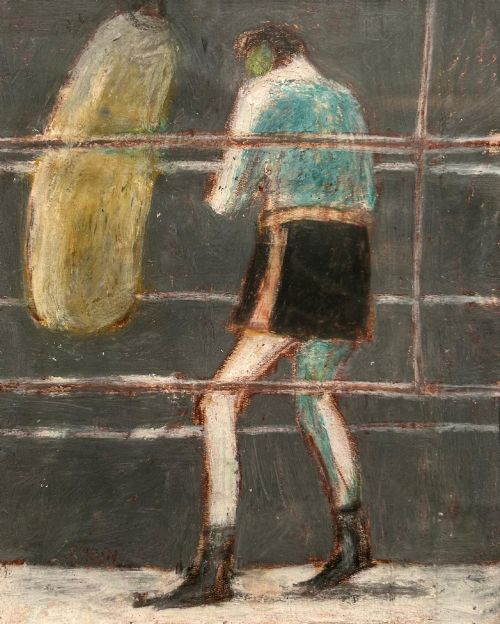
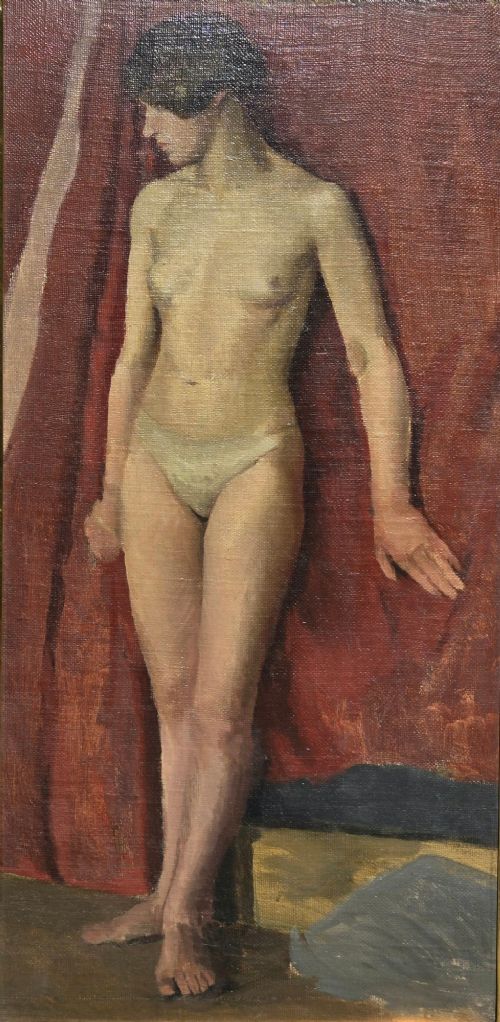
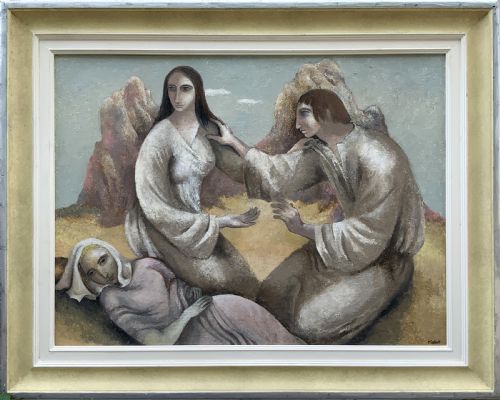
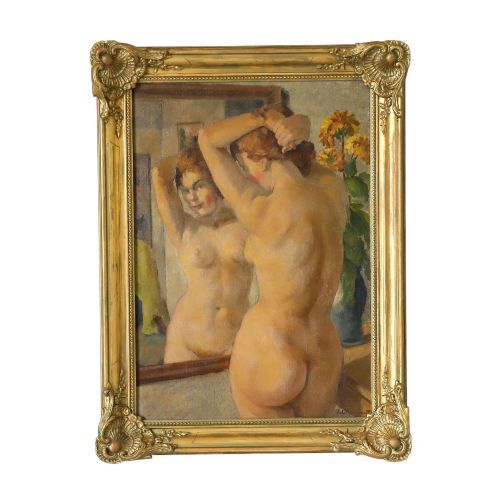
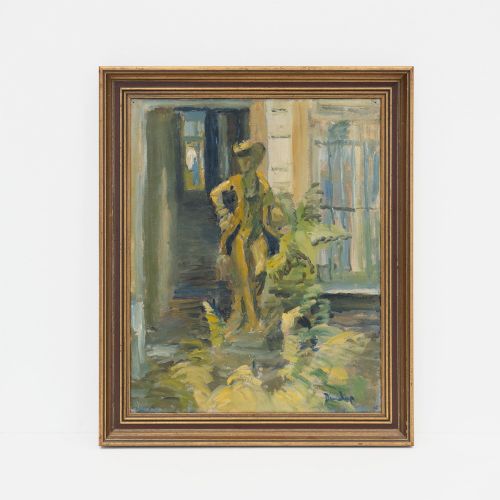
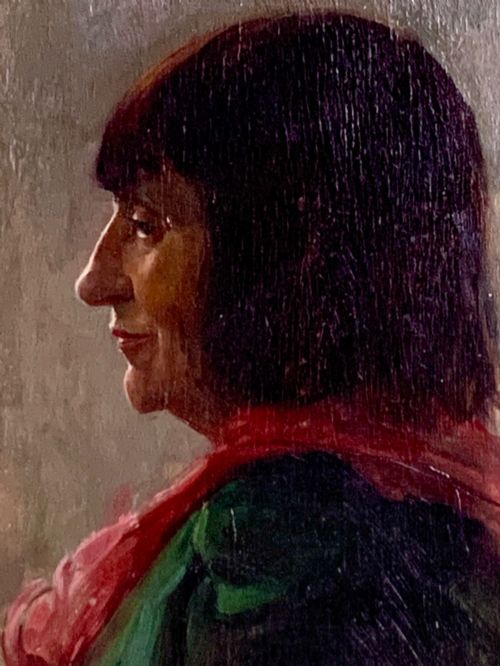
A modern portrait oil painting captures character and mood through expressive brushwork, spanning decades of artistic experimentation from the early twentieth century onward.
Modern Portrait Oil Painting
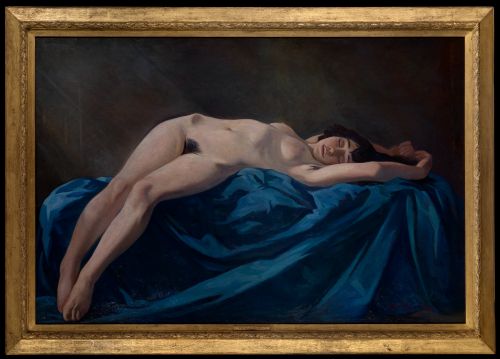
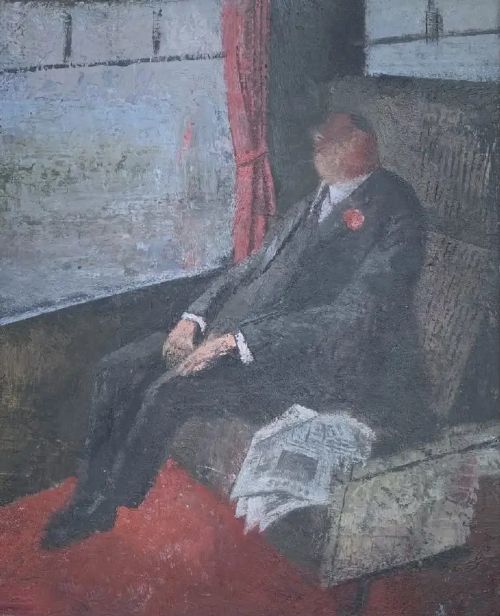
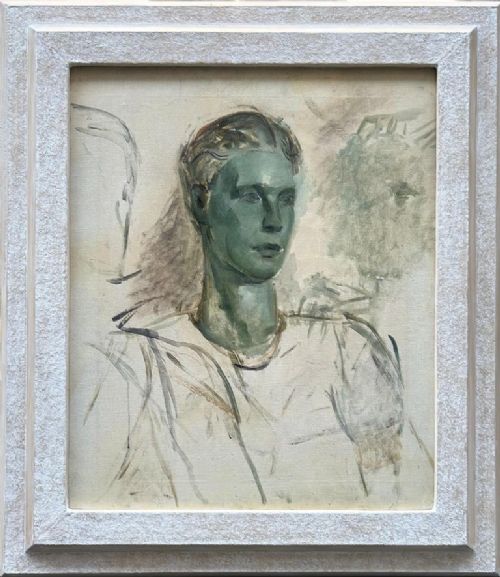
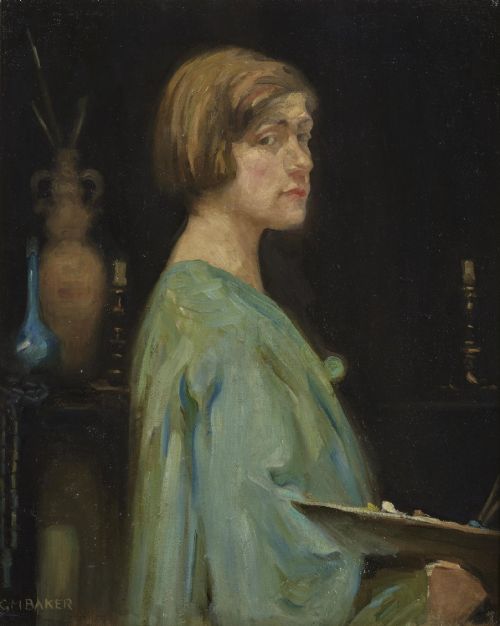
A modern portrait oil painting brings together character studies, self-portraits, and figure compositions created during the twentieth century and the nineteenth century. When searching for a modern portrait oil painting, buyers encounter works reflecting diverse movements such as Modern British, Mid-Century Modern, and the Bloomsbury Group.
The selections available here range from intimate studies of young men and women to broader depictions of figures in interiors and gardens. Artists working across Britain, France, Sweden, and America contributed to this tradition, utilising both canvas and board supports.
Stylistic approaches vary significantly within the genre, moving from early twentieth-century academic traditions towards avant-garde expressionism, cubism, and surrealism. Many pieces present striking colour palettes and bold forms that reflect the shifting aesthetic priorities of their respective decades.
Assessing quality and execution
Quality in these works rests upon the surety of the drawing, the handling of the medium, and the expressive strength of the composition. Stronger examples demonstrate a confident command of proportion and tone, whereas weaker pieces rely on formulaic execution.
The interaction of colour and the vitality of the brushwork separate standard decorative works from accomplished artistic statements. Well-resolved paintings maintain a coherent structural balance across the canvas, engaging the viewer directly through the psychological depth of the subject.
Listings feature works executed on canvas, wood, and board supports.
Eric Robertson·Gladys Marguerite Baker·Samuel Rabin·Winifred Rymer·Christine Nesbit·Philippe de Rougemont·Ronald Ossory Dunlop·Tony Giles·Septimus Scott·Philippa Maynard Romer·Philip Naviasky·Peter Jackson·Jean Hippolyte Marchand·Yo Mayer·Raymond Arthur Roadnight·Richards Rubin·Bernard Meninsky
The Modern Portrait Oil Painting Glossary
- Impasto
- Paint applied thickly to a canvas or board, standing out in relief from the plane and retaining the marks of the brush or palette knife.
- Avant-garde
- New and experimental ideas in art, particularly those challenging traditional academic conventions during the early and mid-twentieth century.
- Canvas
- A closely woven fabric stretched across a wooden frame, serving as a primary support surface for oil painting.
- Board
- A rigid wooden or composite panel used as an alternative to stretched fabric for mounting oil compositions.
- Modern British
- An umbrella term for art produced in Britain during the twentieth century that absorbed continental European modernist developments.
Modern Portrait Oil Painting: Frequently Asked Questions
How do I date a modern portrait oil painting?
Dating relies on stylistic markers, framing conventions, and biographical details of the artist where recorded. Many works carry explicit dates or reflect the distinct aesthetic movements of their decade.
Examination of the canvas, stretcher frames, and backing materials can provide further clues regarding the period of production.
Where should I hang a modern portrait oil painting?
These works suit living rooms, studies, and hallway spaces where lighting can be controlled to prevent direct glare on the oil surface. Pairing the painting with neutral walls allows the brushwork and colour palette to stand out.
Ensure the artwork is kept away from direct heat sources and excessive moisture to protect the canvas and wooden frame.
How do I care for an oil painting on canvas?
Maintenance involves gentle dusting with a soft, dry brush to prevent particulate accumulation on the painted surface. Avoid using water, chemical cleaners, or abrasive cloths directly on the oil paint.
Professional conservation should be consulted if the canvas requires tension adjustment or cleaning.
What is the difference between canvas and board supports?
Canvas offers a flexible, textured surface stretched over a wooden frame, responding dynamically to environmental changes. Board provides a rigid, solid panel that resists warping and supports heavier impasto applications directly.
Both supports have been utilised across different periods depending on artist preference and material availability.