


Modern British Impressionist Art
When you collect modern british impressionist art, you acquire expressive oil paintings and watercolours that capture twentieth-century landscapes and portraits with vigorous brushwork.
Modern British Impressionist Art
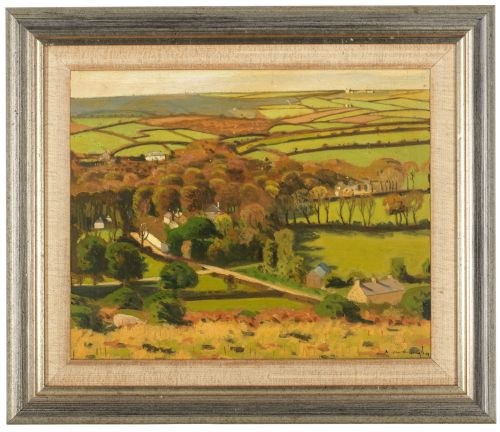
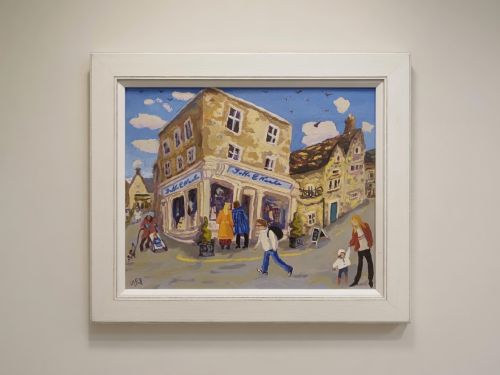
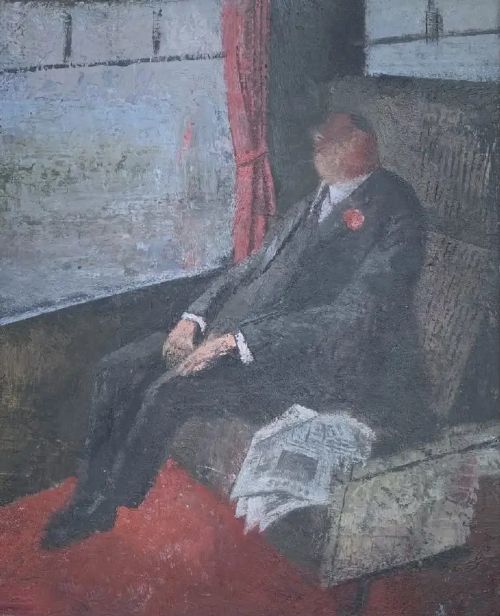
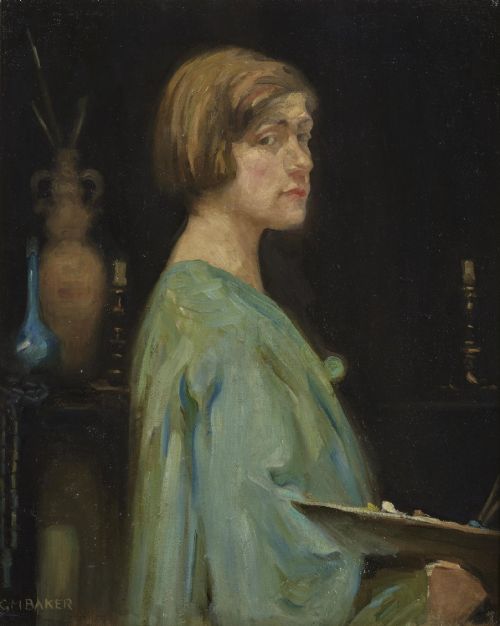
When buyers search for modern british impressionist art, they encounter original paintings produced across several decades of the twentieth century. These works range from Edwardian canvases and early twentieth-century landscapes to later post-war compositions.
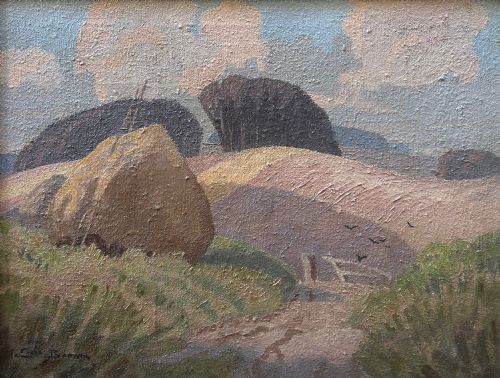
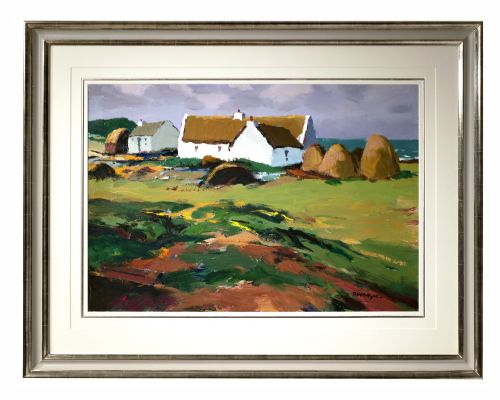
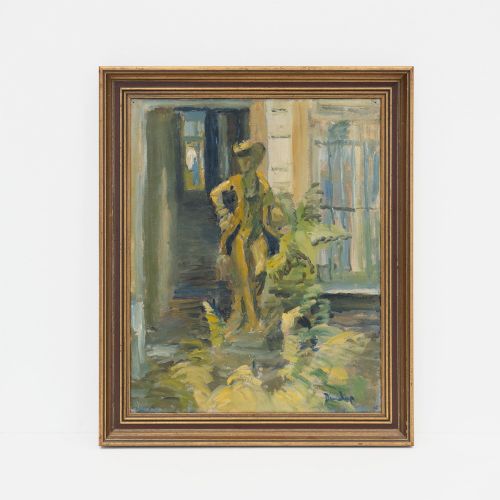
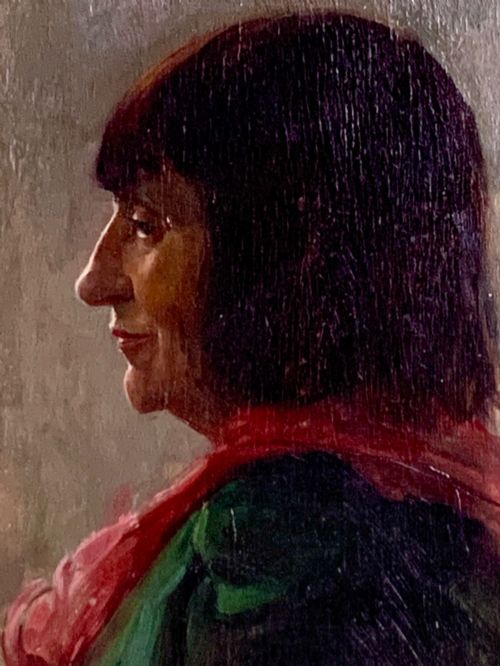
The selections on this page feature diverse subjects including Welsh valleys, Cornish countrysides, Norfolk marshes, and domestic garden scenes. Portraits, self-portraits, and still lifes with bowls of flowers also appear frequently among the listings.
Makers and schools represented span early regional artists, the Bloomsbury Group, and mid-century modernists working across Britain. The forms remain predominantly wall art, executed as oil paintings, watercolours, or pastels.
Materials and Techniques
Artists painted primarily with oil paint, applying pigment onto stretched canvas, wooden panels, board, or card. Some creators chose watercolours and gouache over pencil on paper, while others utilised pastel for delicate still life studies.
Support materials reflect the working methods of the period, utilising prepared wooden panels, canvas frames, and card grounds. Framing often incorporates glass for works on paper, protecting fragile pastel and watercolour surfaces.
Materials documented across the inventory include canvas, wood panels, paper, board, and glass.
Evaluating the Range
The strength of a composition depends upon the handling of light and the confidence of the brushwork. Works that display assured, energetic application of paint convey greater immediacy than more hesitant examples.
Provenance and clear attribution elevate certain pieces, particularly when signed by known painters or linked directly to established British art groups. The harmony of the palette and the preservation of the original surface condition further separate the finest examples.
Robert Morson Hughes·Lucy Pratt·Gladys Marguerite Baker·Eric Brown·Donald McIntyre·Ronald Ossory Dunlop·Hubert Wellington·Fred Lawson·Edward Seago·Philippa Maynard Romer·Sir Matthew Smith·Jeffrey Pratt·Lena M Alexander·Ernest Higgins Rigg·Nora Munro Summers·Dame Laura Knight·Hermoine Hammond·Bernard Meninsky·Peter Greenham·Alastair Flatterly
The Modern British Impressionist Art Glossary
- Oil on Canvas
- Pigment mixed with drying oil applied to a woven fabric stretched across a wooden frame. This surface allowed artists to build rich textures and layered colours.
- Oil on Board
- Paint applied directly to a rigid wooden or composite board rather than woven fabric. Board provided a firm, stable ground favoured by plein air painters.
- Watercolour
- Paint made from water-soluble pigments diluted with water and applied to paper. It creates luminous, transparent washes of colour.
- Bloomsbury Group
- An association of English writers, intellectuals, and artists associated with the Sussex countryside and London. Their output often embraced post-impressionist ideas.
- Post-Impressionist
- A stylistic development extending French impressionism while rejecting its limitations. Artists prioritised expressive forms and symbolic use of colour.
Modern British Impressionist Art: Frequently Asked Questions
What periods do these paintings date from?
The works span the Edwardian era through the nineteenth century and across the twentieth century. Major groupings cluster around the 1920s, 1930s, 1950s, and 1960s.
Later creations extend past 1960, reflecting continuous development within British painting traditions.
How should I display these artworks?
Hang paintings away from direct sunlight and excessive moisture to protect oil on canvas and delicate watercolours on paper. Proper wall placement ensures stable environmental conditions.
Ensure frames complement the period and style of the specific painting without overwhelming the composition.
Are these works signed by the artists?
Many examples bear artist signatures, inscriptions, or attribution notes written directly on the canvas or board. Some pieces carry specific titles and dates on the reverse.
Works attributed to specific schools or unidentified hands rely on stylistic markers rather than a direct signature.
What subjects are most common?
Landscapes form a major category, capturing Welsh valleys, Cornish countryside, Norfolk marshes, and coastal scenes. Coastal views feature prominently alongside rural barns and country lanes.
Portraiture, still lifes with flowers, and garden scenes provide intimate domestic subjects alongside the broader topographical views.