







Modern Abstract Oil
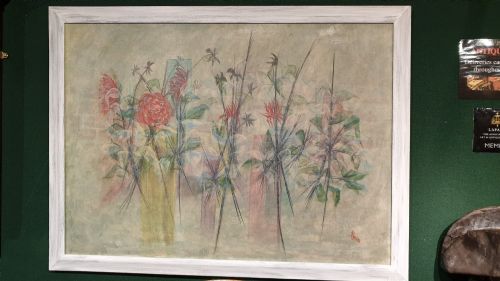
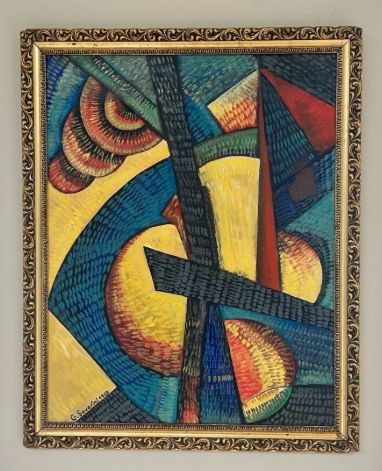
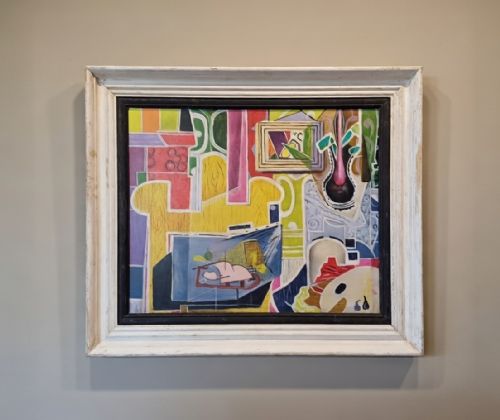
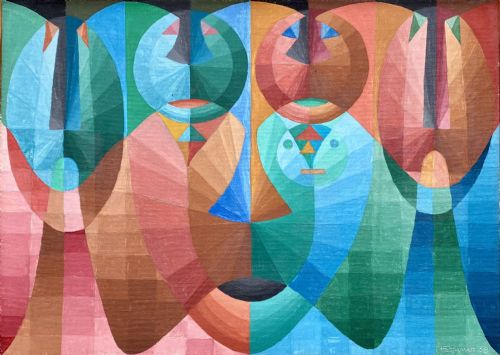
A modern abstract oil captures the bold experimentation of mid-century painting through expressive brushwork and non-representational forms.
Modern Abstract Oil
When searching for a modern abstract oil, buyers encounter works spanning from the 1930s through the 1960s. These paintings explore non-representational subjects, cubist abstractions, and expressive landscapes.
The most common examples on this page belong to the mid-century modern and modernist movements. They originate frequently from British and French studios, capturing post-war creative energy.
Canvases and boards display cityscapes, still lifes, and geometric compositions. Each piece reflects the mid-century departure from strict realism towards pure form and colour.
How they were made
Artists painted primarily with oil paint upon stretched canvas, wooden boards, and hardboard supports. These materials allowed for rich layering and varied surface textures.
Techniques range from thick impasto applications that build physical relief to smooth, flat planes of colour influenced by cubism and op art.
Hidden figures and secret odalisques occasionally peer out from behind mid-century brushstrokes.
What varies in quality
Compositional balance and spatial control separate proficient works from hesitant student pieces. The strongest paintings command the surface through confident brushwork and harmonious palettes.
Provenance and historical exhibition history elevate certain works, particularly those linked to recognised regional schools or documented gallery exhibitions.
Tony Giles·Denis Mitchell·William Littlejohn·Richards Rubin·William Ernst Burwell·Andre Civet
The Modern Abstract Oil Glossary
- Impasto
- Paint applied thickly to a canvas or board, leaving distinct brush or palette knife marks that stand out in relief.
- Cubism
- An early twentieth-century avant-garde art style that revolutionised European painting by breaking subjects down into geometric shapes and multiple viewpoints.
- Hardboard
- A type of wood composite panel used as a rigid painting support by mid-century artists.
- Op Art
- A style of visual art that uses optical illusions, employing abstract patterns with strong contrast.
- Mid-Century Modern
- A design and art movement spanning roughly from the 1930s to the mid-1960s, characterised by clean lines and modernist abstraction.
Modern Abstract Oil: Frequently Asked Questions
How do I identify a 1950s abstract oil?
Look for characteristic mid-century palettes, cubist influences, and materials like hardboard or canvas. Dates inscribed on the reverse or signatures often confirm the period.
Stylistic cues such as flat geometric planes or heavy impasto texture also point directly to post-war European modernist movements.
Where should I hang a mid-century abstract painting?
These works suit neutral walls where their strong colours and non-representational forms can serve as a focal point. They pair effectively with mid-century modern furniture or minimalist interiors.
Ensure the painting is protected from direct sunlight to preserve the oil pigments over time.
What is the difference between canvas and board supports?
Canvas provides a flexible surface stretched over a wooden frame, often yielding slightly to the touch. Board and hardboard offer a rigid, inflexible panel favoured by artists seeking a firm foundation for impasto.
Both materials appear frequently across mid-century works.
Are French modernist oils different from British ones?
French works from this era often lean towards vibrant colourist palettes and St Germain or Paris school abstractions. British pieces frequently reflect Cornish coastal light and the St Ives modernist tradition.
Both traditions share a deep commitment to post-war abstraction.