


Mirrored Back Vitrine
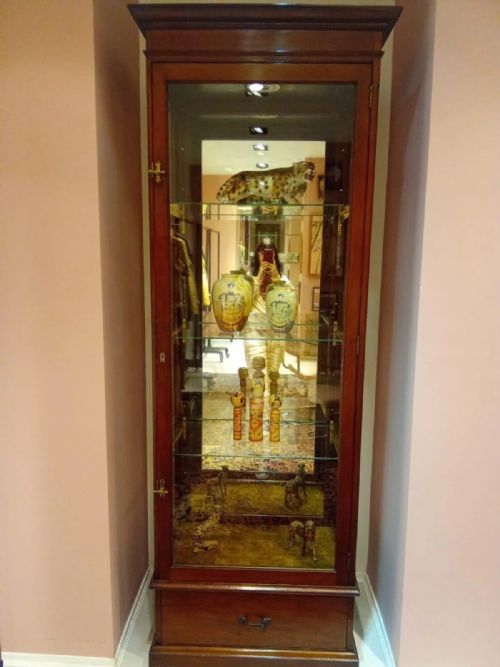
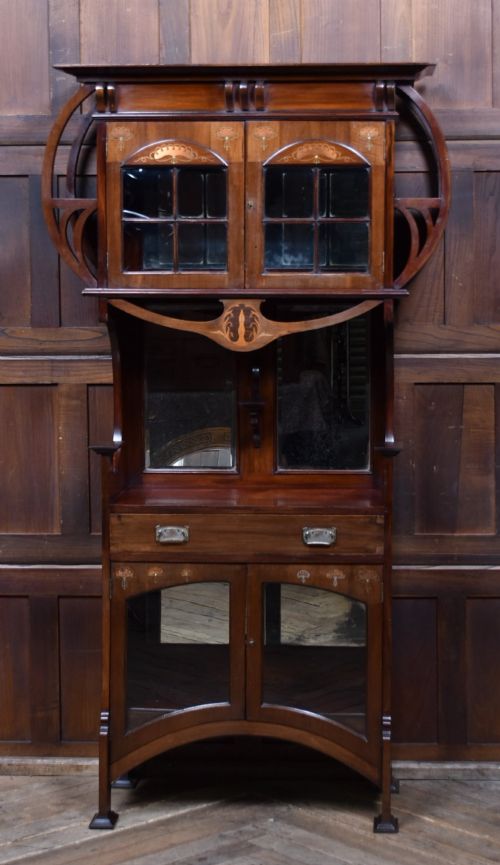
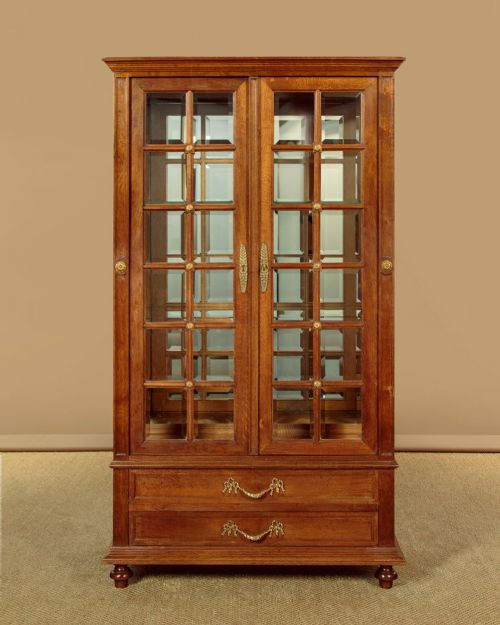
A mirrored back vitrine is a glazed display cabinet designed to bounce light through precious objects.
Mirrored Back Vitrine
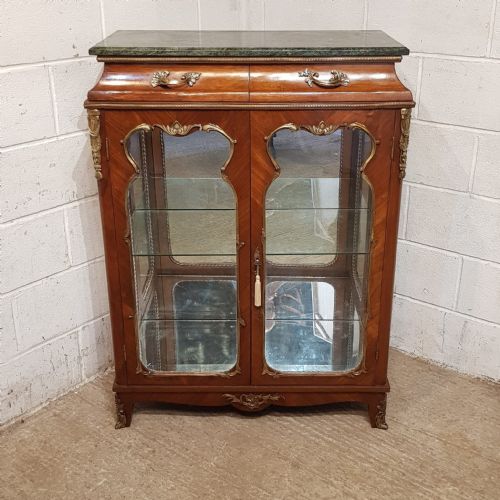
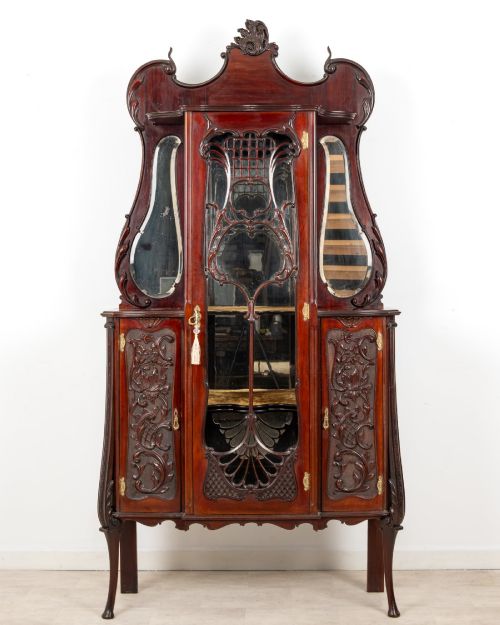
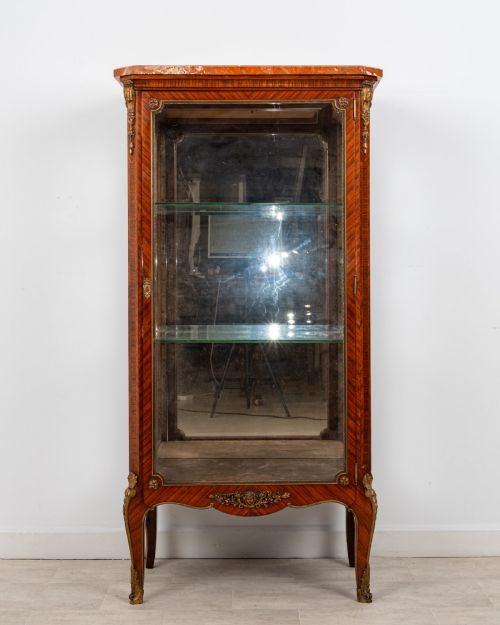
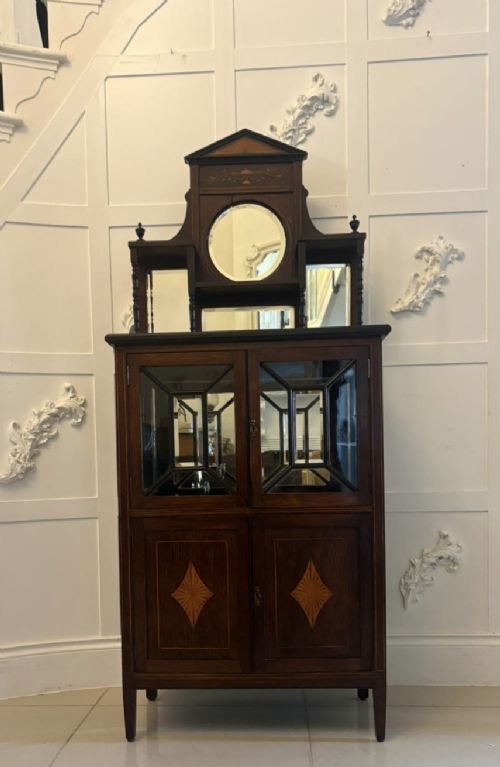
When you search for a mirrored back vitrine, you encounter timber display furniture built to showcase decorative objects from several distinct eras.
The selections available here span from the Georgian period through Victorian, Edwardian, and Art Nouveau epochs up to the 1920s.
These pieces take the form of floor-standing cabinets, wall-hanging vitrines, and countertop display units originative of British and continental workshops.
How they were made
Cabinet makers constructed these pieces using dense hardwoods such as mahogany, walnut, satinwood, and kingwood, frequently applying intricate marquetry and fine wood veneers.
Metal mounts in brass, gilt bronze, and ormolu accent the woodwork, while mirrored glass panels line the interior back to reflect light forward through the glass shelving.
Mirrored Back Vitrine Retail Price Guide 2026
Typical asking prices for mirrored back vitrine among the pieces listed under this phrase on Sellingantiques today, from the lower quarter to the upper quarter. They describe what is for sale here now, not the wider market.
Mahogany appears across multiple periods here, combined frequently with glass, mirror, and brass.
What varies in quality
The standard of a mirrored back vitrine rests on the depth of the timber selection, the precision of the inlay work, and the weight of the cast metal mounts.
Cabinet makers who employed skilled marquetry, substantial marble tops, and heavy ormolu detailing produced pieces that visually distinguish themselves from simpler utility cabinets.
Collinson & Lock·François Linke·G. Durand
The Mirrored Back Vitrine Glossary
- Vitrine
- A glass-fronted display cabinet used for exhibiting porcelain, silver, and small curiosities. These pieces rely on clear glazing to protect contents while maintaining all-round visibility.
- Ormolu
- Gilded bronze mounts applied to furniture for decorative enrichment. This technique involves casting and fire-gilding metal to create bright golden ornamentation.
- Kingwood
- A dense, heavily figured exotic timber utilised for fine veneer work in cabinet making. It yields rich dark brown tones with distinctive lighter golden striping.
- Marquetry
- The art of applying thin decorative pieces of wood veneer to a structure to form intricate pictorial or geometric patterns. Craftsmen select contrasting timbers to achieve tonal variation.
- Serpentine
- A gently curved furniture front featuring a convex centre flanked by concave sides. This flowing contour requires advanced carpentry skill to execute cleanly on cabinet doors.
Mirrored Back Vitrine: Frequently Asked Questions
What is a mirrored back vitrine used for?
These cabinets were originally manufactured to display collections of fine porcelain, glassware, and small ornaments in domestic drawing rooms.
The internal mirror amplifies natural and artificial light, illuminating the displayed objects from behind to highlight intricate details.
How do I date a cabinet?
Dating relies on identifying timber choices, construction methods, and stylistic cues such as Edwardian satinwood inlay or heavy Victorian walnut carving.
Hardware mounts and glass manufacturing techniques also provide clear chronological markers for each piece.
Where should I place a vitrine?
A vitrine requires a stable floor space or secure wall fixing away from direct sunlight to protect both the timber and interior contents.
Positioning the cabinet near a window allows the internal mirror to catch and redistribute daylight effectively across the room.
Are shelves adjustable in these cabinets?
Many period display cabinets feature fixed wooden or glass shelving, though some variants incorporate adjustable glass supports.
Reviewing the internal configuration ensures the cabinet accommodates items of specific heights.