



Mirror Back Dresser
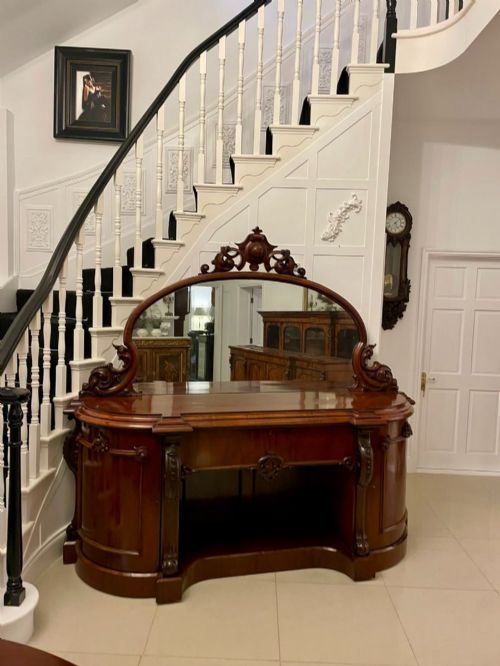
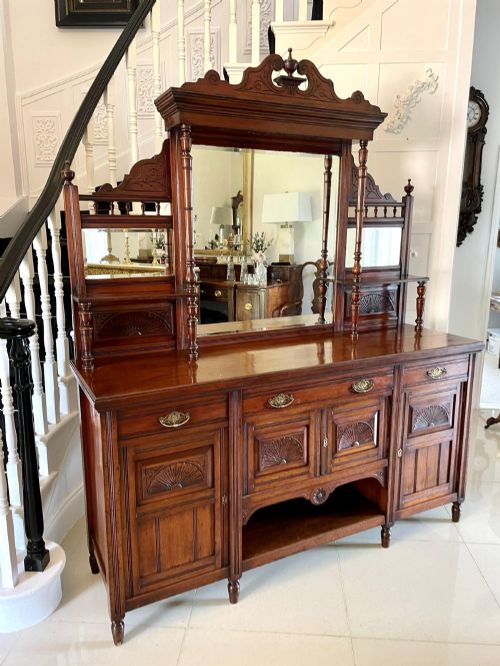
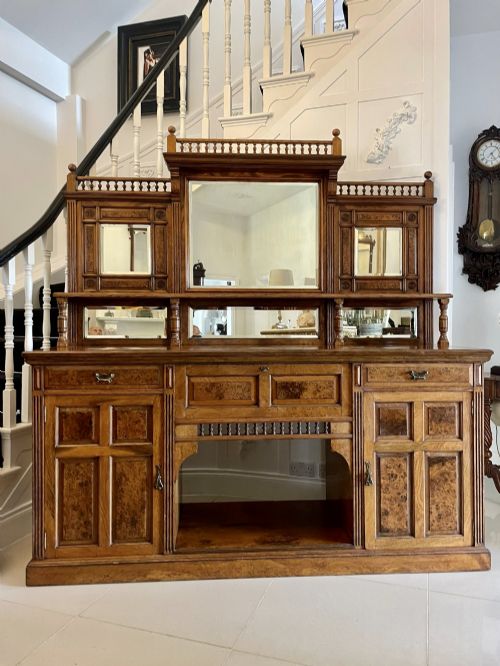
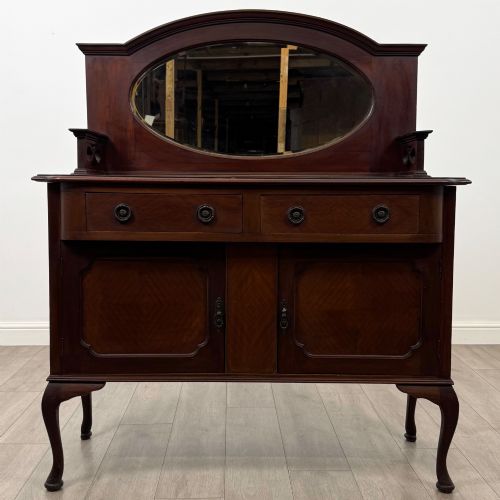
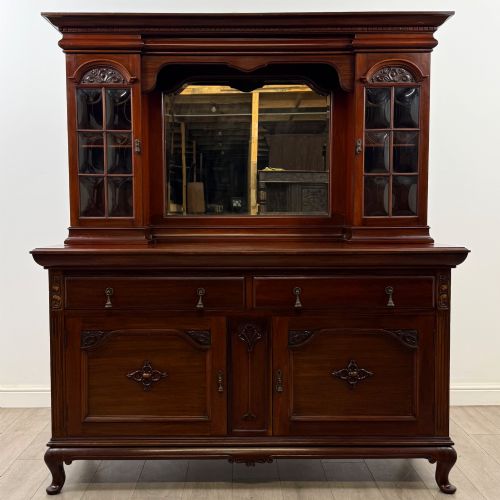
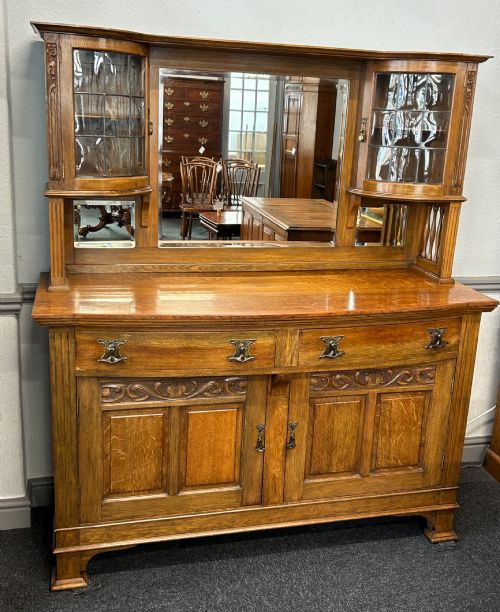
These mirror back dresser pieces combine practical storage with generous glass plates, making them a striking focal point in any dining room.
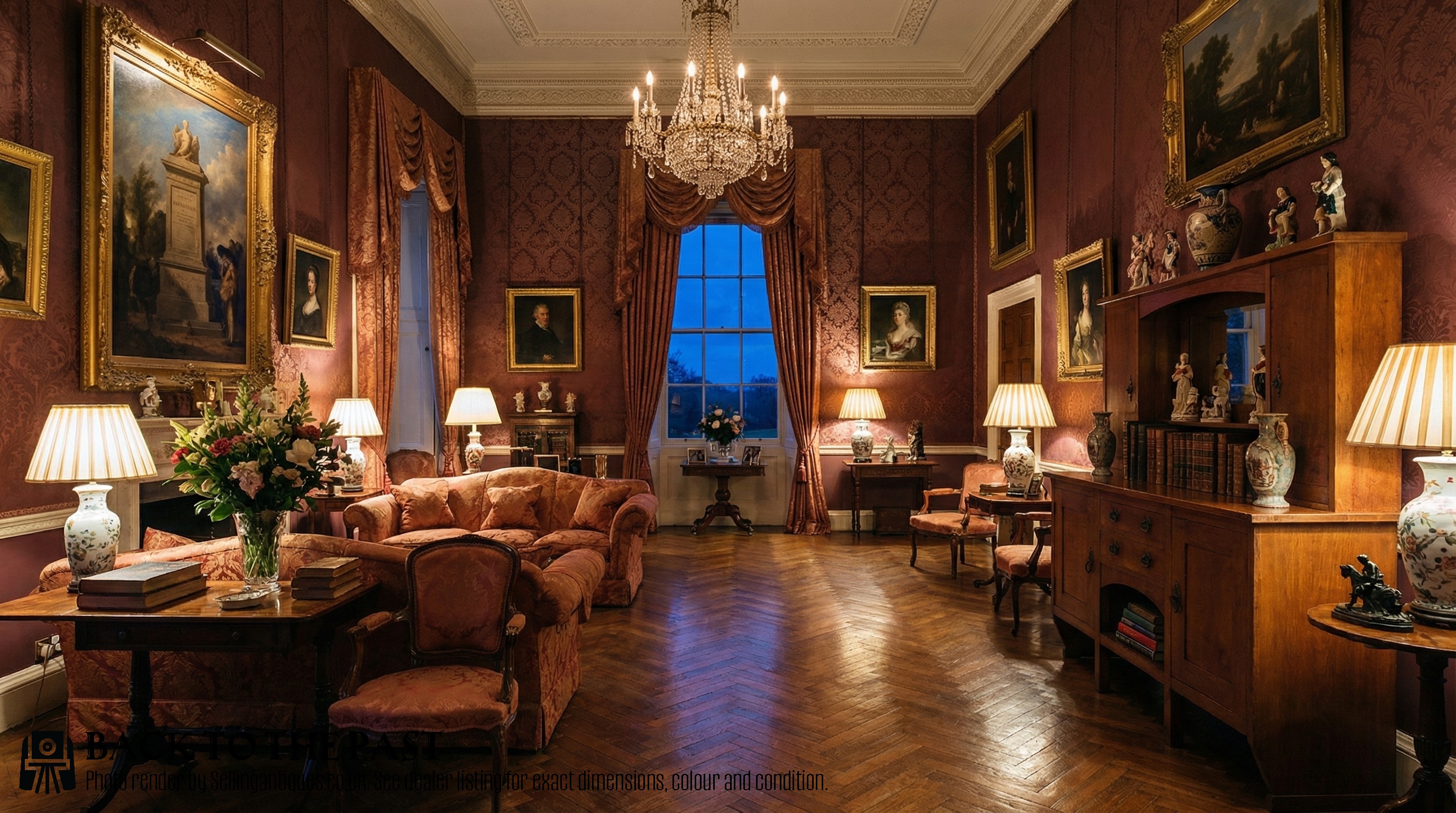
Mirror Back Dresser
A mirror back dresser or sideboard serves as a substantial entertaining cabinet, uniting a heavy timber base with an integrated upright mirror plate. The pieces appearing most frequently across these records date from the Victorian and Edwardian eras, spanning the mid-nineteenth century through the early twentieth century.
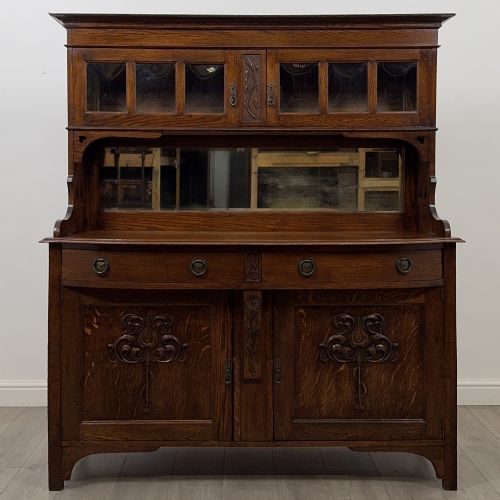
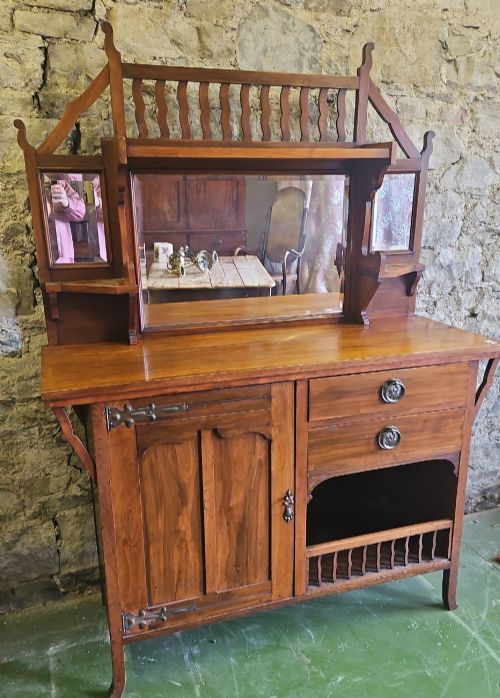
Makers fashioned these works in varied regional guises, incorporating styles such as Arts and Crafts, Art Nouveau, and Aesthetic Movement alongside revivalist Victorian Gothic and Renaissance forms. While some examples function purely as sideboards or side cabinets, others incorporate display shelving or incorporate hall stands and dressing furniture.
Oak and mahogany dominate the structural timber choices, often accompanied by walnut, pollard oak, and rosewood veneers. Buyers frequently encounter elaborately carved surfaces, brass hardware, and specialised decorative elements like majolica panels or inlaid marquetry.
Materials and Construction
Carpenters utilised solid hardwoods and rich veneers over secondary timbers, selecting oak, mahogany, and walnut for their structural durability and grain pattern. Cabinet makers applied deep carved ornamentation directly into the solid wood, producing relief motifs that include foliage and figural carvings.
Silvered mirror glass forms the defining upper component, secured within carved wooden frames and supported by structural columns or brackets. Brass fittings, including handles and hinges, provide functional contrast to the dark timber surfaces.
Look closely for hidden cellar drawers designed to keep wine cool near the floor.
Craftsmanship and Execution
The distinction between standard production and exceptional execution lies in the depth and crispness of the carved details, particularly on figural motifs and panel work. Superior examples demonstrate rigorous joinery in the heavy timber bases and careful selection of figured veneers.
The integration of the mirror plate within the superstructure indicates the maker's ambition, with finer pieces employing bevelled glass and substantial architectural framing rather than simple flat plates.
T Simpson and Son·Shapland & Petter
The Mirror Back Dresser Glossary
- Mirror back sideboard
- A heavy timber base cabinet featuring an attached upright mirror superstructure designed for dining rooms. These pieces provide both surface utility and reflective display space.
- Pollard oak
- Timber derived from trees that have had their branches cut back to promote a dense cluster of shoots, resulting in distinctive knotty grain patterns. Cabinet makers prized this wood for decorative veneering.
- Green Man
- A sculptural architectural motif depicting a human face disgorging or entwined with foliage. This pagan symbol experienced a significant revival during the nineteenth century.
- Majolica
- Opaque tin-glazed earthenware decorated with brightly coloured metal oxide glazes. Makers incorporated these ceramic panels into cabinet doors for vibrant visual contrast.
Mirror Back Dresser: Frequently Asked Questions
What rooms suit a mirror back dresser?
These large timber cabinets find their traditional home in dining rooms, where the sideboard base provides storage for tableware and the mirror reflects light across the space. They also function effectively in wide hallways and large reception rooms.
The considerable height and weight of the superstructure require adequate wall clearance and sturdy flooring to support the combined mass of timber and glass.
How do I distinguish Victorian from Edwardian pieces?
Victorian examples generally feature heavier proportions, darker finishes, and exuberant revivalist carving styles including Gothic and Renaissance motifs. They rely heavily on dense oak, mahogany, and figured pollard oak.
Edwardian pieces often present lighter oak or mahogany constructions associated with the Arts and Crafts and Art Nouveau movements. The decoration tends toward simpler geometric lines or stylized natural forms rather than heavy relief carving.
What maintenance do these cabinets require?
Preserving the timber involves regular dusting with a soft cloth and occasional treatment with appropriate wax to nourish the antique polish. Avoiding direct sunlight prevents fading and drying of the wood.
The mirror plates require gentle cleaning with standard glass cleaner applied to a cloth rather than sprayed directly onto the glass, protecting the surrounding timber frame from moisture damage.
How were these pieces used originally?
Victorian households utilised sideboards for serving food during large dinner parties and for displaying silver and ceramic tableware on the surface and shelves. The mirror served to amplify the flickering light of candles and gas lamps.
Cupboards and drawers within the base housed linens, cutlery, and bottles, keeping dining accessories close at hand while maintaining an orderly entertaining space.