
Craft Oak Sideboard Dresser
A craft oak sideboard dresser brings together sturdy timber and honest design, offering practical storage with a distinct historical character.
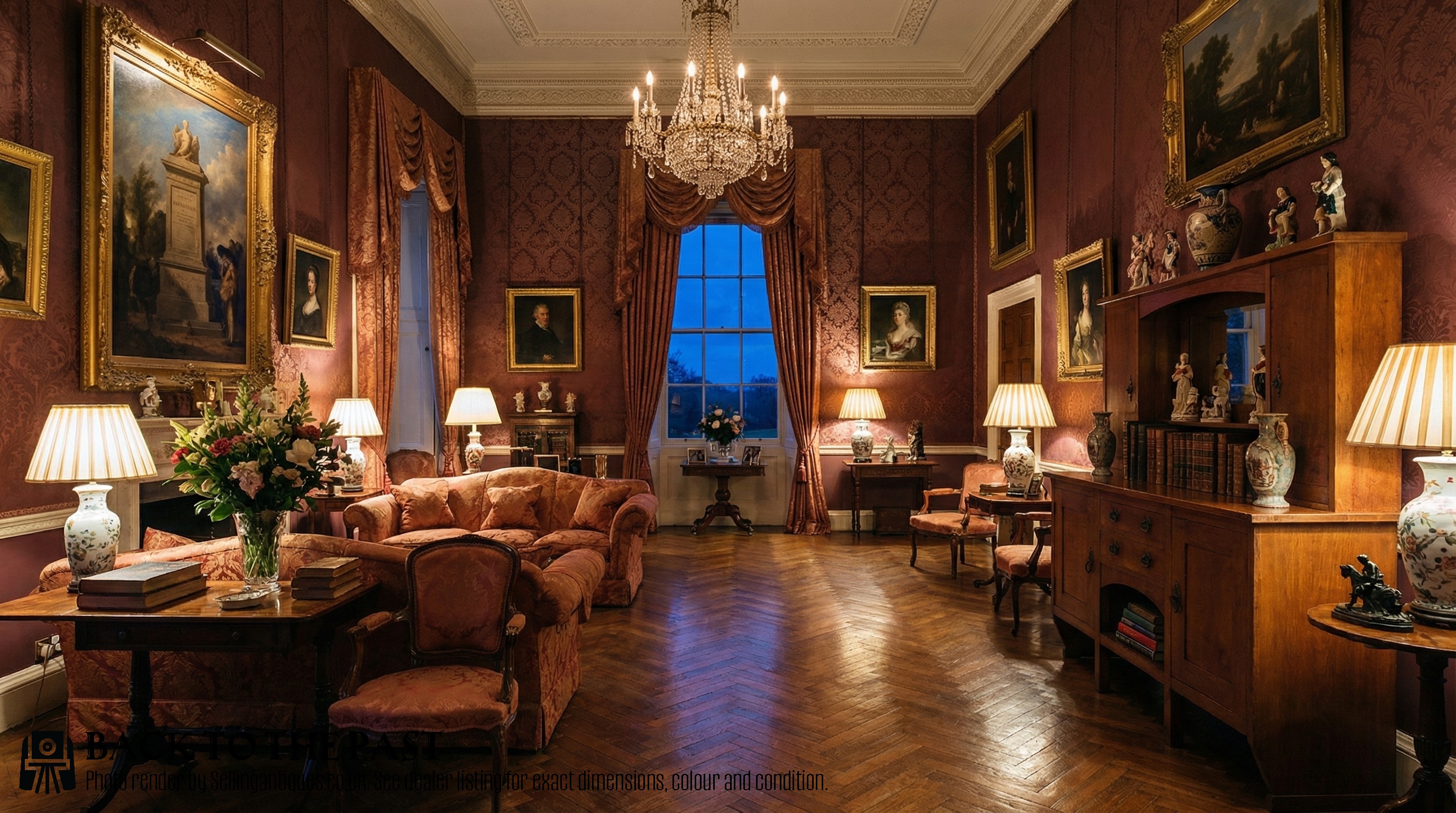
Craft Oak Sideboard Dresser
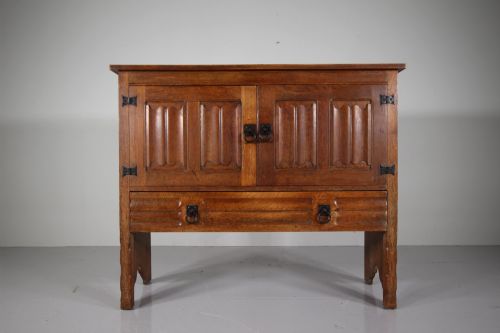
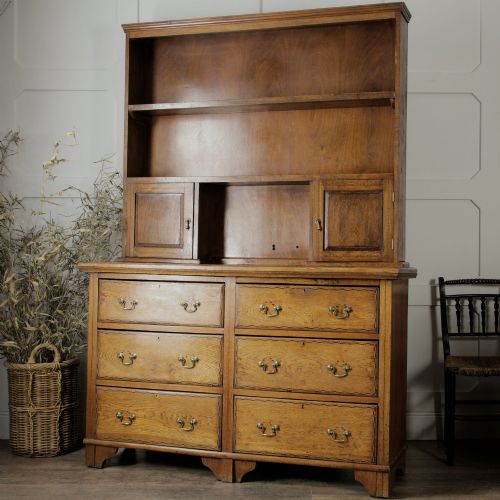
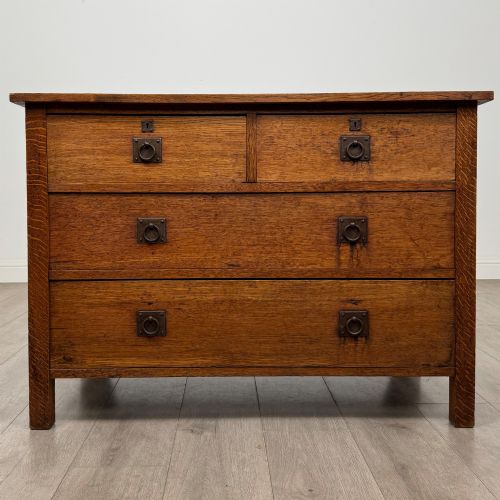
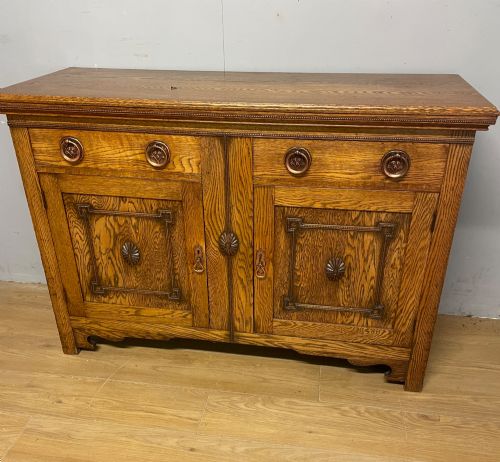
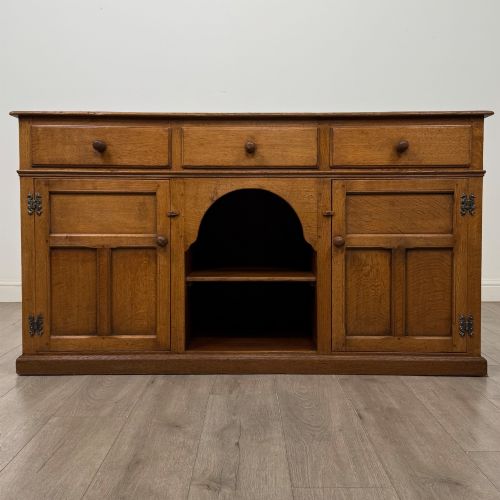
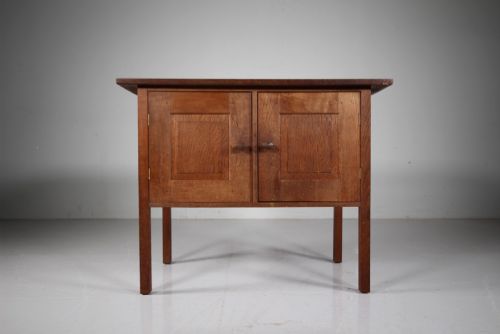
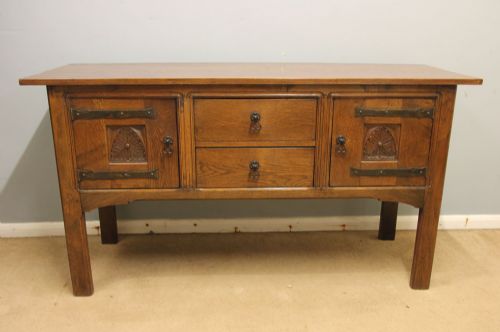
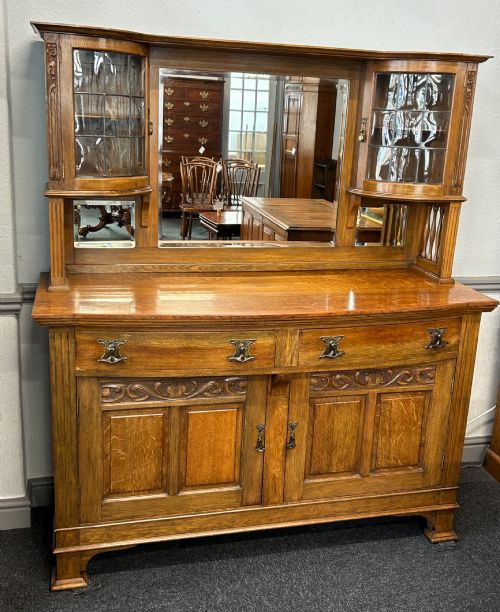
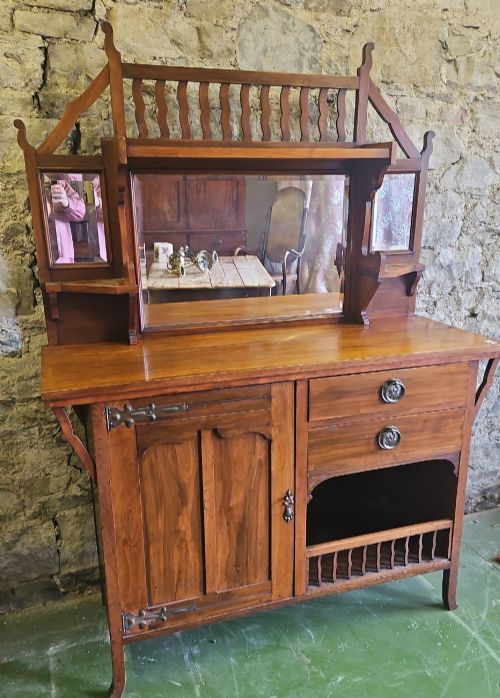
A craft oak sideboard dresser combines utilitarian storage with the distinct design ethos of the late nineteenth and early twentieth centuries. Pieces appearing under this search phrase span foundational forms such as kitchen dressers, sideboard bases, and cabinets with cupboards or drawers.
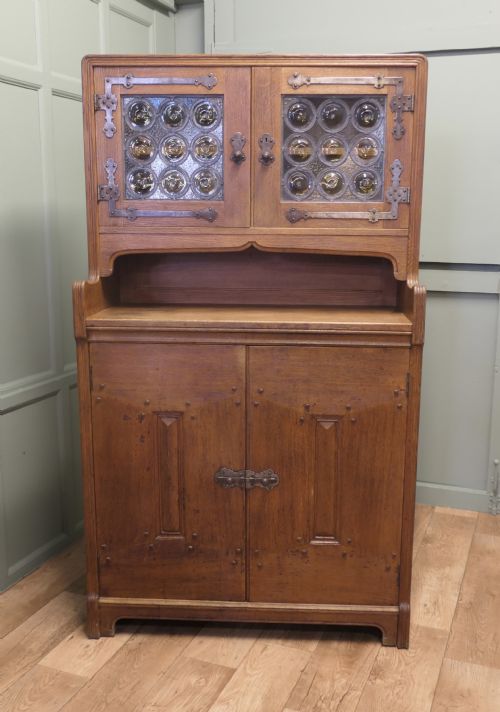
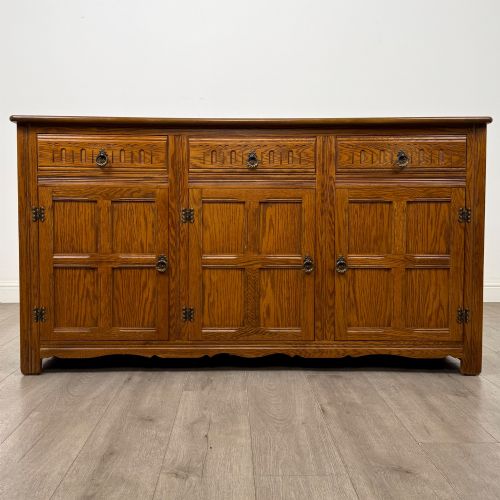
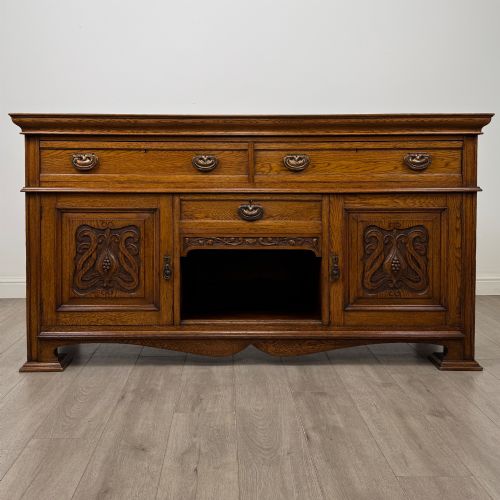
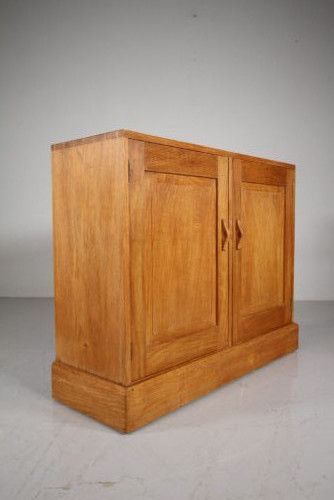
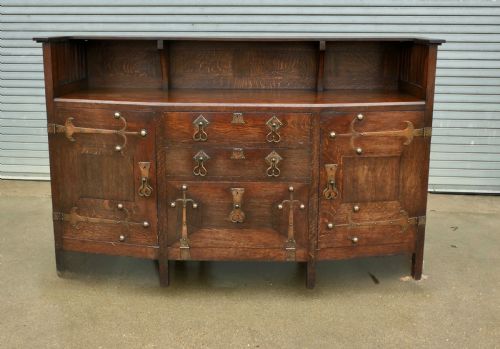
Makers working during the Victorian, Edwardian, and later periods adapted these storage items for domestic dining rooms and kitchens. The most common format encountered here is the Arts and Crafts oak sideboard, frequently exhibiting panelled doors, iron or brass hardware, and sturdy construction.
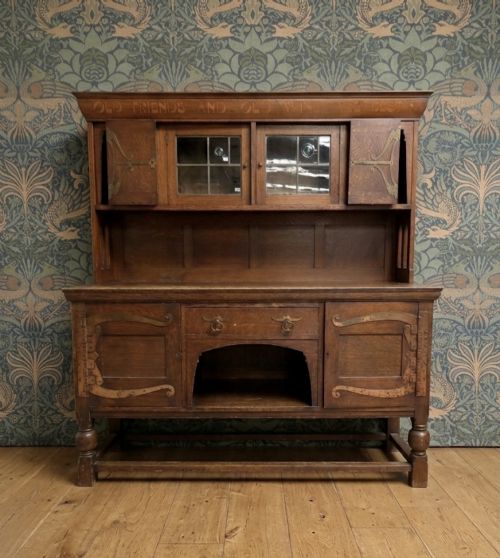
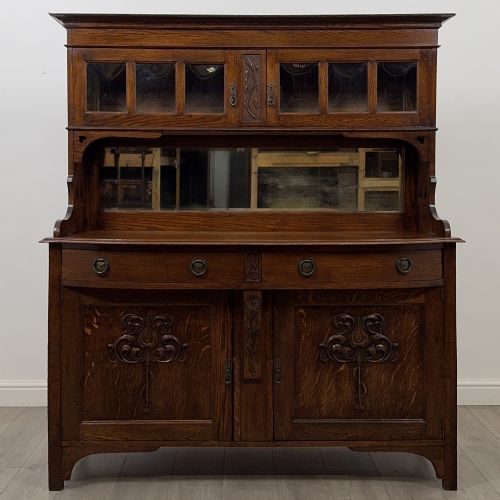
Design influences range from the Cotswold School to continental workshops and prominent London firms. Buyers encounter both utilitarian cottage dressers and elaborately detailed oak sideboards featuring leaded glass or mirrorbacks.
Assessing craftsmanship
Quality rests on the integrity of the timber selection and the precision of the joinery rather than surface ornamentation alone. Superior examples display thoughtful grain matching across drawer fronts and doors, alongside hand-beaten metal fittings specific to the maker.
Design attribution elevates certain pieces, particularly those bearing stamps or documented provenance linking them to notable manufacturers and architects. Pieces lacking specific attribution can still demonstrate high structural merit through substantial solid oak thickness and careful proportional balance.
Listings feature solid oak, leaded glass, and hand-forged brass hardware across Edwardian and Victorian forms.
Ambrose Heal·Leonard Wyburd·Shapland and Petter·John Moyr Smith·Peter Waals·T Simpson and Son·Wolfe and Hollander·Wylie Lochhead
The Craft Oak Sideboard Dresser Glossary
- Arts and Crafts
- A design movement prioritising traditional craftsmanship, simple forms, and visible construction methods over mass-produced ornamentation.
- Dresser base
- The lower section of a kitchen dresser, typically comprising cupboards and drawers without the upper shelving superstructure.
- Leaded glass
- Small panes of glass held together by strips of lead, frequently utilised in cabinet doors of this period.
- Quarter-sawn
- A method of cutting oak logs that produces a distinctive decorative grain pattern and enhances board stability.
- Cotswold School
- A regional offshoot of the Arts and Crafts movement focusing on solid timber construction and unpretentious domestic utility.
Craft Oak Sideboard Dresser: Frequently Asked Questions
How do I identify an Arts and Crafts oak sideboard?
Look for honest construction methods, such as exposed dovetails, hand-beaten copper or brass hardware, and sturdy solid oak surfaces. These items usually avoid excessive historical revival carving in favour of clean architectural lines.
Many examples incorporate panelled doors and distinct strap hinges that reflect the functional priorities of the late nineteenth and early twentieth centuries.
Where were these dressers originally used?
Kitchen dressers and sideboards served primarily in dining rooms and pantries for storing tableware, linens, and provisions. They provided both concealed storage behind cupboards and display space on surface tops.
Later Edwardian and Cotswold variations frequently served communal living spaces as multipurpose storage units for books, ceramics, and dining accessories.
How do I care for antique oak furniture?
Maintain solid oak surfaces by keeping them away from direct heat sources and sudden humidity changes to prevent timber splitting. Regular dusting with a dry cloth preserves the finish without requiring heavy polishes.
Apply natural beeswax occasionally if the timber appears dry, buffing gently along the direction of the visible grain.
Are these pieces dated accurately?
Dates assigned to these listings reflect the stylistic periods and manufacturing eras recorded by individual dealers, spanning the late Victorian era through the 1930s. Stylistic overlap between the Arts and Crafts movement and Edwardian production is common.
Stamp marks, retailer labels, and construction techniques provide the primary physical evidence for narrowing down a specific decade of manufacture.