


Minton Blue and White
These minton blue and white pieces bring exceptional ceramic craftsmanship and rich transfer-printed pattern work into contemporary homes.
Minton Blue and White
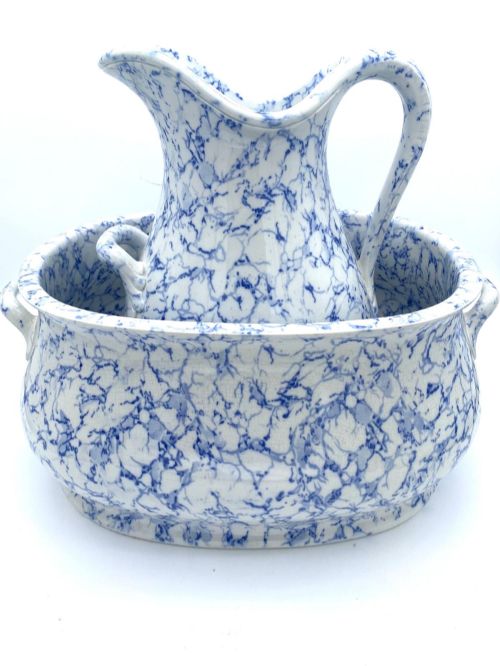
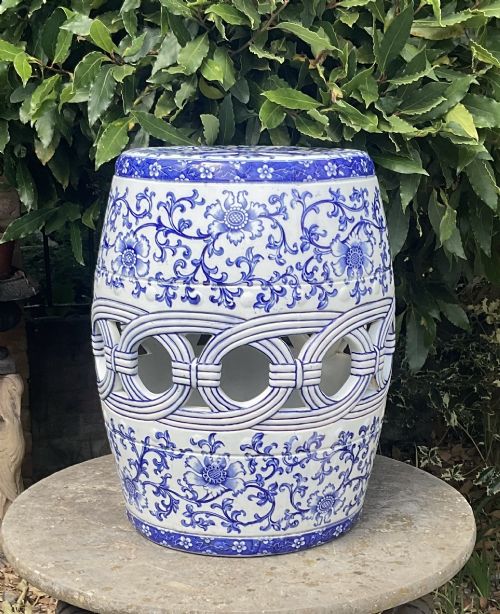
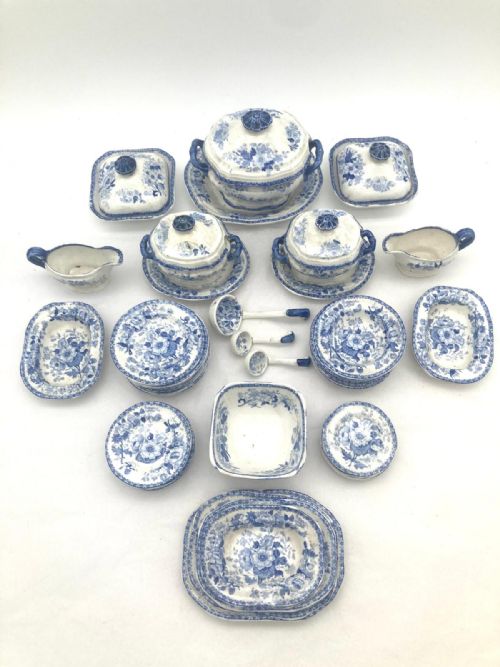
Minton blue and white encompasses a diverse array of utilitarian and decorative ceramics produced across the nineteenth century. Buyers searching this phrase encounter substantial serving platters, garden seats, water jugs, and wash sets alongside intricate children's dinnerware and decorative tiles. These items showcase the shifting design sensibilities of the period, moving from early floral sheet patterns and armorial chargers to bold Arts & Crafts and Aesthetic Movement compositions.
The pieces on this page heavily reflect Victorian production alongside earlier Georgian and Regency influences. You will frequently meet large-scale serving pieces bearing transfer-printed motifs, as well as specialised household items like footbaths and umbrella stands. Each piece demonstrates the factory's capacity to translate complex artistic styles into durable ceramic forms.
Materials and Techniques
Production relies primarily on earthenware, ceramic, and bone china bodies shaped into functional and decorative vessels. Artisans applied cobalt blue pigments beneath the glaze using transfer-printing techniques to achieve deep, permanent patterns.
Selected pieces incorporate additional detailing such as hand-painted highlights or gold leaf applied over the glaze to enrich the finished surface. Firing took place in high-temperature kilns, securing the glazed earthenware and ceramic bodies against daily wear.
Listings span earthenware, ceramic, and bone china, covering forms from garden seats and footbaths to miniature dinnerware.
Markers of Quality
Quality in these ceramics rests on the crispness of the transfer print and the clarity of the underlying white body. Superior examples maintain sharp definition in complex patterns like floral sheets or figurative scenes without blurring or smudging in the cobalt glaze.
The ambition of the form also distinguishes the range, moving from standard tableware to monumental pieces such as well and tree serving platters, garden seats, and substantial footbaths. Exceptional items often feature specific commission markers, such as coat of arms details, or collaborations with notable designers.
Minton·Minton and Hollins·Mintons
The Minton Blue and White Glossary
- Transfer-printing
- A method of applying a printed design to ceramic ware from an engraved copper plate via tissue paper. This technique allowed for intricate, repeatable blue and white patterns across large production runs.
- Earthenware
- A porous pottery body fired at lower temperatures, commonly used for heavy household vessels and garden seats before being glazed. It provides a sturdy substrate for thick cobalt decoration.
- Flow blue
- A style where the cobalt blue pigment intentionally bled slightly into the surrounding white glaze during firing. This created a hazy, soft-edged effect popular in mid-nineteenth-century ceramics.
- Well and tree
- A specialised design feature on large serving platters involving channels and a reservoir to collect meat juices during carving. It represents a high tier of utilitarian dining ware.
- Bone china
- A hard, durable ceramic paste incorporating bone ash, yielding a brighter white body and finer walls than standard earthenware. It was utilised for high-status tableware and cabinet pieces.
Minton Blue and White: Frequently Asked Questions
How do I date these pieces?
Dating relies on factory marks stamped or printed on the underside, stylistic cues like Aesthetic Movement motifs, and the specific nature of the transfer print. Comparing the ceramic body and glaze characteristics against known nineteenth-century production periods also helps narrow the date.
Changes in factory names, such as the transition between early marks and later Victorian iterations, provide precise chronological anchors for many items.
Can I use these platters for food?
Most nineteenth-century serving platters and compotes remain structurally robust enough for modern culinary use. However, crazing in the historic glaze can absorb oils and pigments over time, requiring careful hand washing rather than dishwasher cycles.
Displaying them as decorative pieces or utilising them primarily for dry presentation protects the antique surface from unnecessary staining.
What caused the flow blue effect?
Makers introduced volatile chemical vapours, such as chloride of lime, into the kiln atmosphere during the firing process. This caused the cobalt blue pigment to disperse softly into the wet glaze, producing a characteristic hazy aesthetic.
This deliberate technique softens hard transfer lines, giving the pattern a painterly depth resembling East Asian wash painting.
How should I clean antique earthenware?
Warm water and a mild, non-abrasive detergent applied with a soft cloth safely remove dust and handling marks. Avoid soaking pieces with established glaze crazing, as moisture trapped in the ceramic body can cause staining.
Dry the pieces thoroughly with a lint-free towel immediately after washing to protect the glaze and any subtle surface details.