


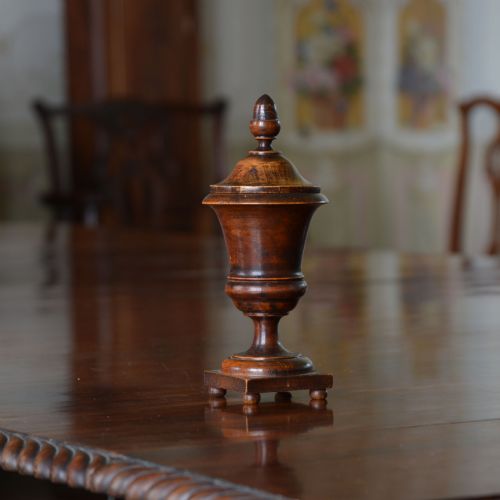


Miniature Urn Vase
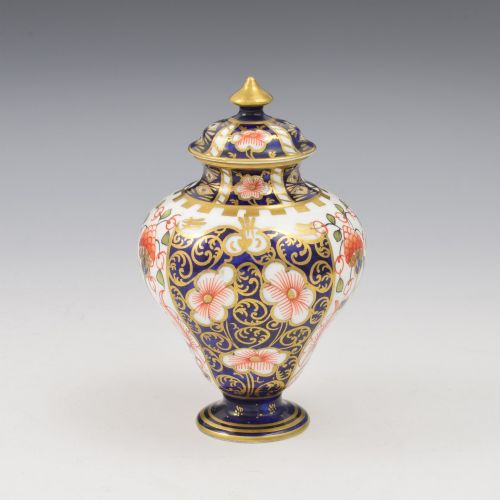
A miniature urn vase condenses classical architectural form and delicate painting into a small scale that fits neatly in the palm of your hand.
Miniature Urn Vase
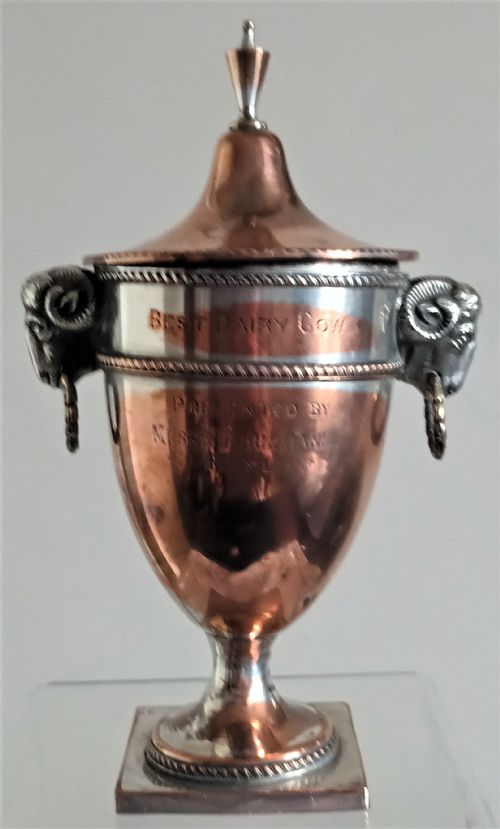
When you search for a miniature urn vase, you encounter small decorative vessels modelled on full-sized classical urns, campana shapes, and baluster vessels. These pieces range from Georgian silver and Old Sheffield plate chestnut urns to Victorian porcelain and Japanese Satsuma earthenware.
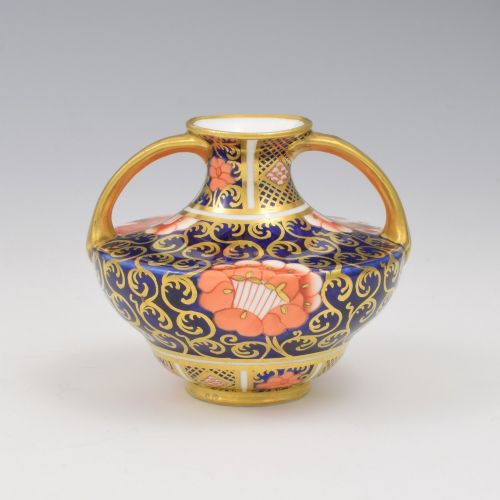
The versions most common on this page are porcelain and ceramic specimens produced by English factories such as Royal Crown Derby, Royal Worcester, and Doulton Lambeth, alongside Japanese Satsuma and cloisonné imports from the Meiji period.
Forms vary from twin-handled campana shapes and lidded scent bottles to simple baluster vases and classical Grand Tour reductions in bronze. Each piece scales down monumental architecture or traditional vessel shapes into cabinet-sized display objects.
Materials and construction
Makers fashioned these vessels from fine porcelain, earthenware, and pottery bodies, applying detailed hand-painted scenes, gilt ornamentation, and rich enamel palettes. English factories utilised bone china and soft-paste porcelain, while Japanese workshops employed delicate Satsuma earthenware covered in crackle glaze.
Metal versions rely on bronze casting, silver smithing, and Old Sheffield plate techniques to replicate monumental antiquities at a fraction of the size. Guilds and factories combined these metalworking and ceramic traditions with intricate cloisonné enamel wires and surface gilding.
Materials across these listings span gold leaf, enamel, porcelain, earthenware, copper, silver, brass, and ceramic.
Distinguishing quality
Quality rests upon the precision of the hand-painted decoration, the crispness of the modelled handles and foot rims, and the fidelity of the classical form. Master artists signed their miniature Satsuma and porcelain pieces to denote superior workshop output, whereas unmarked items often relied on standard factory decoration.
The balance of the miniature proportions dictates the visual success of the object, as clumsy casting or thick porcelain walls obscure the delicate nature of the form. Finer examples retain crisp gilding and unblemished enamel work across their small surfaces.
Royal Crown Derby·Crown Staffordshire·Doulton Lambeth·Flight Barr And Barr·Royal Worcester·William Moorcroft
The Miniature Urn Vase Glossary
- Campana urn
- A bell-shaped vessel with a flared rim and foot, originating from ancient Roman marble prototypes. This silhouette forms the basis for many small decorative bronze and ceramic vases.
- Grand Tour
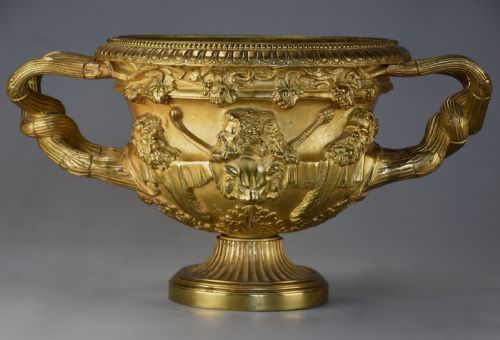
- A cultural journey undertaken by wealthy Europeans in the eighteenth and nineteenth centuries to collect classical antiquities and souvenirs. Bronzes and reductions of famous pieces like the Warwick Vase stem from this tradition.
- Satsuma
- A type of Japanese earthenware featuring a pale, ivory-coloured crackle glaze decorated with polychrome enamels and gold leaf. Miniature vases in this style often depict figurative processions or family scenes.
- Old Sheffield plate
- A composite material made by fusing a thin sheet of silver to a thicker copper base. This technique preceded modern electroplating and appears on Georgian miniature urns.
- Imari
- A style of Japanese export porcelain characterised by a palette of underglaze blue, iron red, and added gold. European factories frequently copied these distinctive patterns on their own porcelain bodies.
Miniature Urn Vase: Frequently Asked Questions
What were miniature urn vases used for?
These small vessels served primarily as decorative ornaments for mantelpieces, cabinets, and drawing rooms during the eighteenth, nineteenth, and early twentieth centuries. Some specific forms, such as lidded scent bottles or chestnut urns, doubled as functional containers on a reduced scale.
Collectors prized them as cabinet pieces that demonstrated the technical skill of the potter or metalworker without requiring the floor space of larger decorative items.
How do I identify a Meiji period Satsuma vase?
Meiji period Satsuma pieces feature a characteristic ivory-coloured earthenware body covered in a fine network of transparent crackle glaze. Artisans hand-painted these surfaces using dense polychrome enamels and raised gold leaf to depict figures, landscapes, and floral motifs.
Many of these miniature vases bear handwritten artist signatures or workshop marks on the base, such as the signatures associated with Chosei or Shuzan.
What is a Grand Tour souvenir?
Grand Tour souvenirs are small-scale replicas of famous classical sculptures, architecture, and antiquities purchased by travellers touring Italy and Europe. Bronze reductions of the Warwick Vase served as popular decorative desk and mantel objects.
These pieces were produced in the nineteenth century using traditional lost-wax or sand-casting methods to capture the proportions of monumental stone originals.
How should I display miniature urns at home?
Display these small pieces inside glass cabinets, on enclosed shelves, or on mantel surfaces where their detailed hand-painted surfaces and gilding can be examined up close. Because of their modest scale, grouping several pieces together creates a strong visual impact.
Keep them away from direct sunlight and areas of high humidity to protect vulnerable enamel colours, delicate gold leaf, and historic ceramic bodies.
How do I tell an 18th-century urn from a Victorian copy?
Eighteenth-century metal pieces often utilise Old Sheffield plate construction where copper edges show through silver wear, whereas later reproductions might use nineteenth-century electroplate methods. Ceramic bodies also shift in composition, with Georgian soft-paste porcelains differing significantly from later bone china and Victorian earthenware.
Examining the weight, hand-finishing marks, and base construction helps determine whether a piece belongs to the Georgian period or later revival styles.