

Miniature Storage Chest
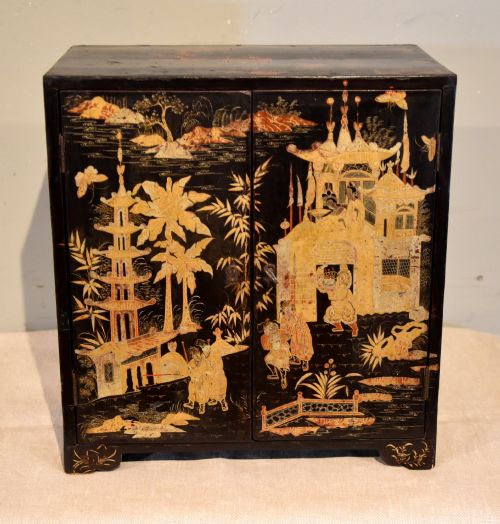
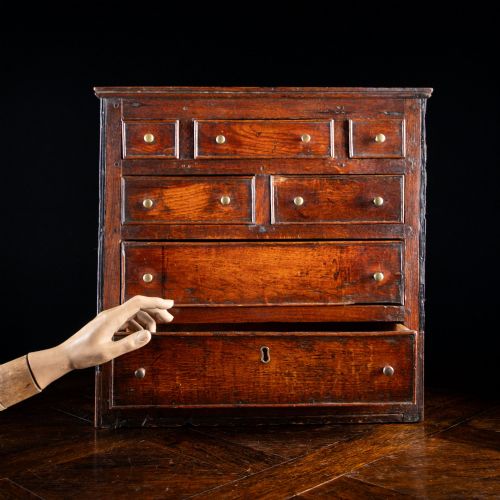
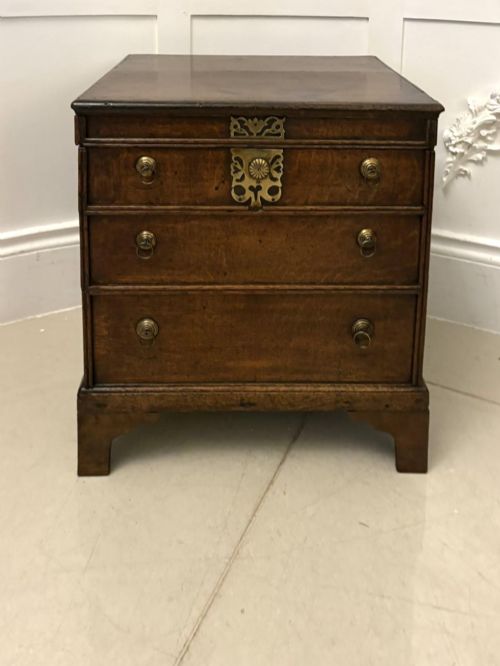
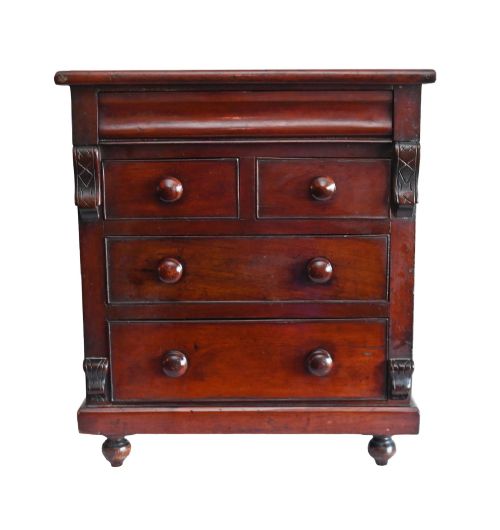
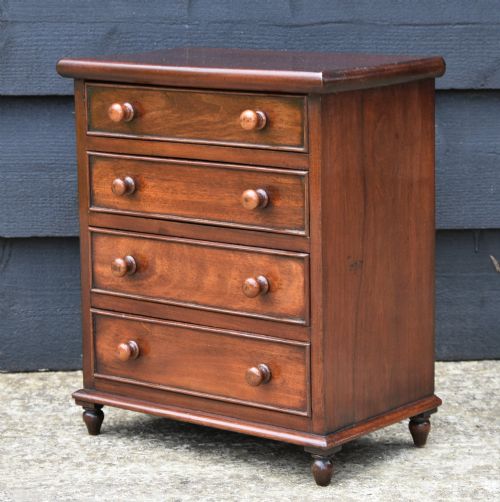
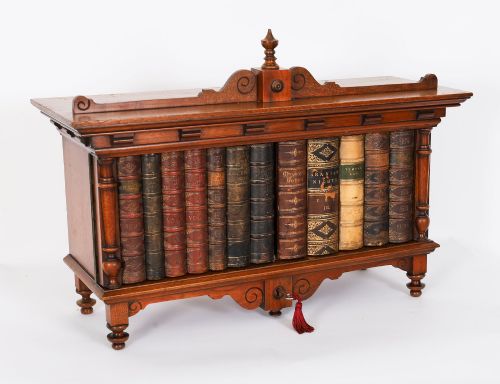
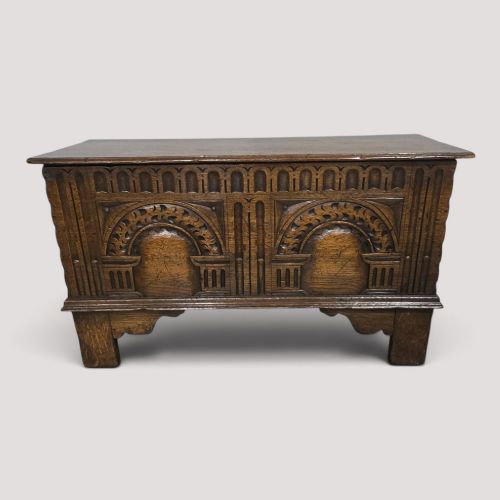
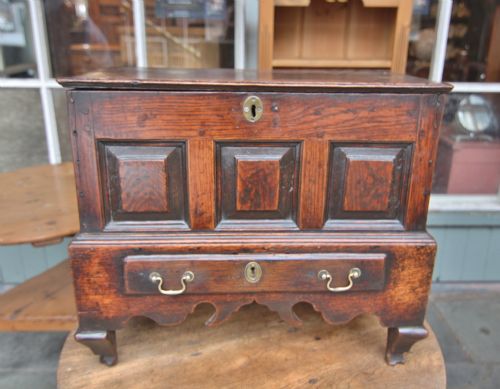
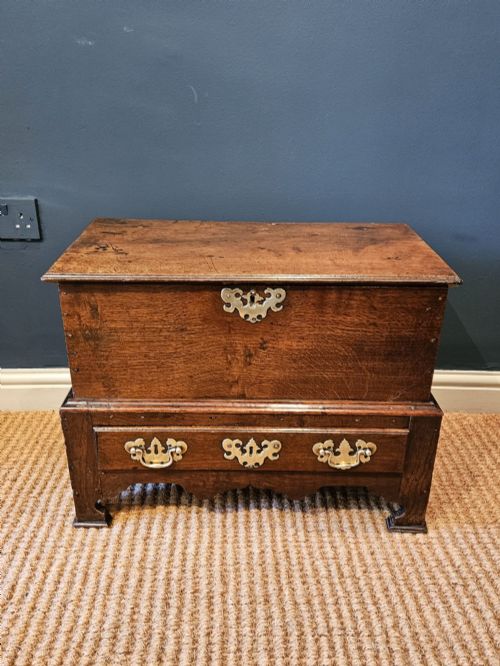
These small-scale wooden storage chests range from Georgian coffer bachs to Victorian apprentice pieces designed for tabletop use.
Miniature Storage Chest
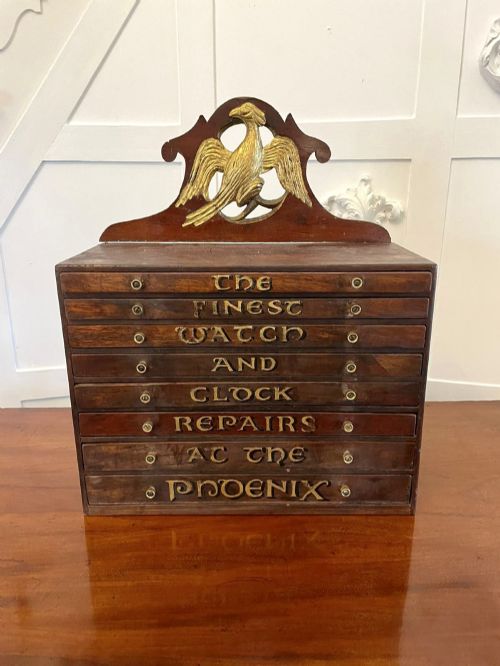
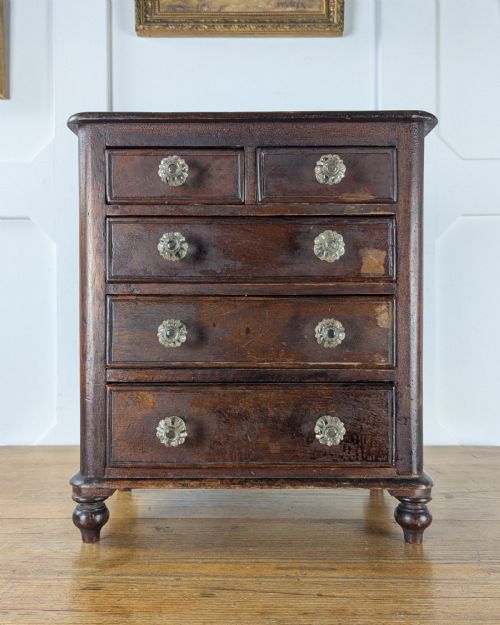
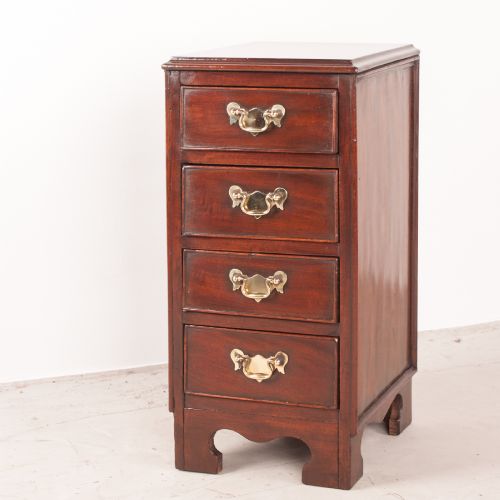
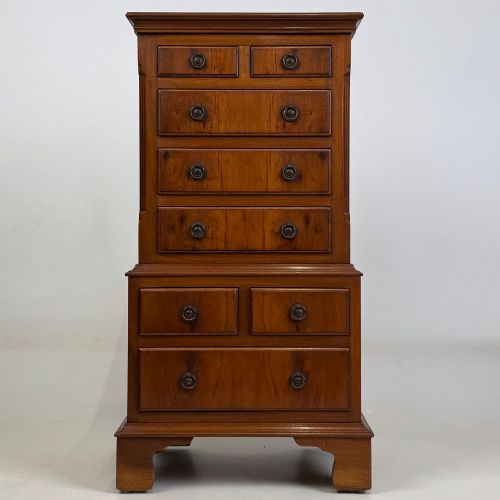
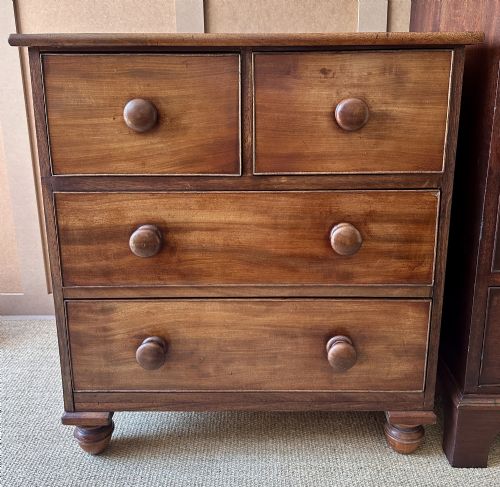
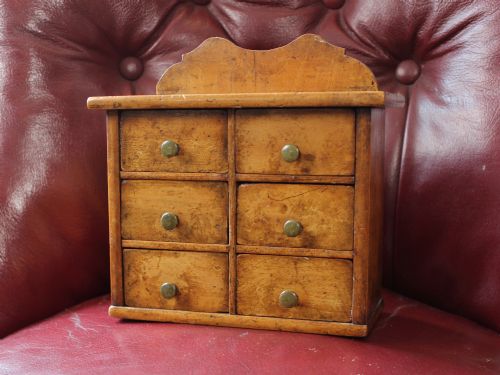
The domestic selection includes small chests of drawers, watchmakers' boxes, and specimen cases originally intended for desktop use or specialised trades. Many examples reflect vernacular traditions, particularly Welsh oak coffers and Scottish or English miniature chests of drawers produced during the Georgian and Victorian eras.
Materials and Construction
Cabinet makers constructed these small chests using solid hardwoods like oak, mahogany, walnut, and fruitwood, often paired with secondary woods such as pine for internal framing and drawer linings. Traditional joinery methods, including dovetail joints on drawers and pegged tenons on early coffer bachs, ensured structural integrity for small-scale items.
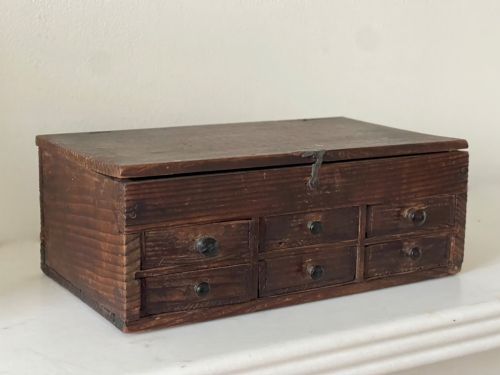
Surface finishes range from polished mahogany and figured walnut to waxed oak and stained pine, occasionally complemented by brass handles, escutcheons, and iron hardware. The selection includes specialist items fitted with multiple small drawers for microscope slides, watch parts, or apothecary supplies.
Miniature Storage Chest Retail Price Guide 2026
Typical asking prices for miniature storage chest among the pieces listed under this phrase on Sellingantiques today, from the lower quarter to the upper quarter. They describe what is for sale here now, not the wider market.
Listings feature eighteenth-century oak coffer bachs alongside nineteenth-century mahogany miniature chests of drawers and Victorian walnut collectors cabinets.
Distinguishing Quality
Quality in a miniature storage chest rests on the precision of its miniature proportions, timber selection, and the refinement of its joinery. Superior examples display carefully matched grain patterns, tight dovetails on the drawer construction, and original hardware that matches the period of the piece.
Significantly finer pieces often reveal specialised interior fittings, such as numerous tiny drawers or velvet-lined compartments intended for scientific specimens or collections. Lesser examples may exhibit utilitarian pine construction with simpler joints and later replacement hardware.
The Miniature Storage Chest Glossary
- Coffer bach
- A small Welsh oak chest fitted with a lifting lid and often a single drawer beneath, traditionally given as a wedding gift. These vernacular pieces date primarily to the eighteenth century.
- Apprentice piece
- A small-scale item of furniture demonstrated by a craftsman to prove skill before admission to a guild. These miniature chests replicate full-sized Georgian and Victorian chest of drawers designs.
- Collectors cabinet
- A tabletop cabinet containing multiple shallow drawers designed to house natural history specimens, coins, or microscope slides. They typically feature secure locking doors or tightly fitted drawer banks.
- Specimen case
- A desktop storage unit with numerous small drawers intended for organising botanical, geological, or entomological samples. They are frequently constructed in pine, mahogany, or oak.
- Dovetail
- A traditional interlocking joint used at the corners of drawers, valued for its tensile strength. Fine hand-cut dovetails indicate careful cabinet-making on older small chests.
Miniature Storage Chest: Frequently Asked Questions
Are these apprentice pieces genuine?
Many nineteenth-century miniature chests of drawers are traditionally attributed as apprentice pieces created to demonstrate woodworking proficiency. They replicate the exact proportions and styles of full-scale Georgian and Victorian furniture.
Distinguishing authentic pieces relies on examining the timber ageing, handmade dovetails, and construction techniques appropriate to the period. They functioned historically as portable storage for small personal items.
How were tabletop collectors cabinets used?
Tabletop collectors cabinets housed specialised items such as microscope slides, coins, minerals, or insect collections. The numerous shallow drawers protected delicate specimens from light and dust.
Interiors often featured turned pulls or recessed brass handles and occasionally retained original paper labels. These cabinets provide functional compartmentalized storage for modern collectors.
What woods were used for miniature chests?
Cabinet makers utilised a variety of regional and imported timbers depending on the period and style. Oak predominated in eighteenth-century coffer bachs, while mahogany and walnut became popular for nineteenth-century miniature chests of drawers.
Secondary timbers like pine frequently appear in drawer linings and back panels. Yew wood and fruitwood also feature in specific regional examples.