



Miniature Pine Chest Drawers
Miniature pine chest drawers are small scale storage pieces offering substantial character for compact spaces.
Miniature Pine Chest Drawers
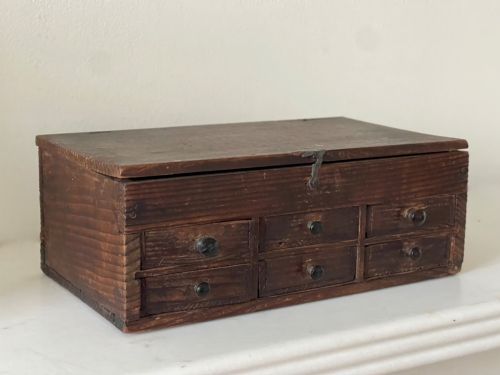
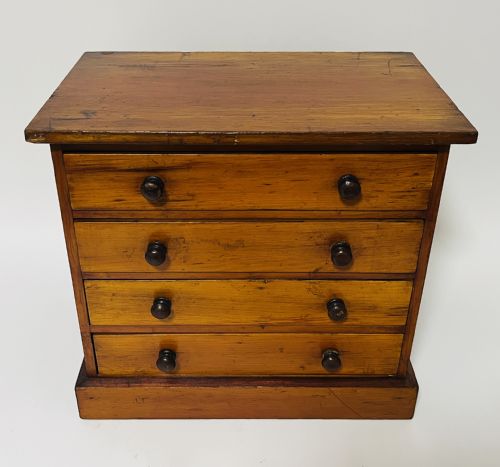
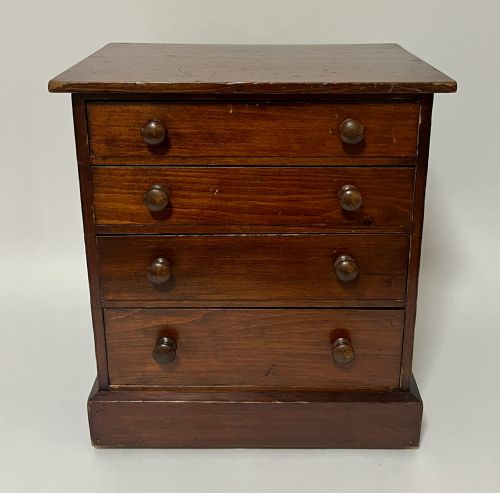
Miniature pine chest drawers are compact storage pieces built to display small collections or samples. When searching for miniature pine chest drawers, you encounter pieces originating from the Georgian, Victorian, and Edwardian eras, alongside later pieces from the nineteen twenties and nineteen thirties. These items take several forms including apprentice pieces, spice boxes, and tabletop collectors cabinets.
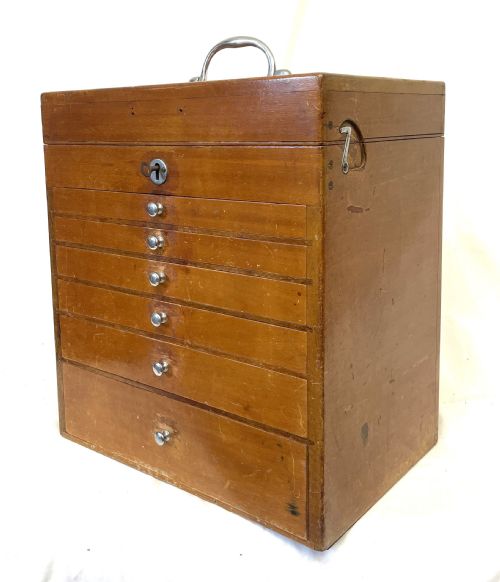
The items listed on this page span vernacular country workshops and industrial utility styles, showcasing the versatility of pine and pitch pine. You frequently meet pieces featuring fitted drawers for specimens, dental equipment, or household spices. Each piece reflects the specific domestic or working needs of its period.
Regional variations appear across the selection, including Welsh country examples and wall hanging spice boxes in oak and pine. The smaller scale allows these cabinets to sit comfortably upon tabletops, sideboards, or desks while offering genuine functional storage.
Materials and construction
Pine and pitch pine form the primary structure of these miniature chests, often complemented by secondary woods and ebonised mouldings. Craftsmen utilised solid timber planks joined simply, sometimes adding painted finishes or stained surfaces to mimic more costly woods. Brass pulls, glass panels, and metal hardware appear on cabinets designed for specimens or apothecary use.
Joinery methods range from straightforward nailed construction in rustic country pieces to dovetail joints on finer Georgian and Victorian examples. Ebonised details and decorative painted surfaces provide visual contrast against the pale pine bodies. The construction balances durability with the delicate proportions required for miniature furniture.
Miniature Pine Chest Drawers Retail Price Guide 2026
Typical asking prices for miniature pine chest drawers among the pieces listed under this phrase on Sellingantiques today, from the lower quarter to the upper quarter. They describe what is for sale here now, not the wider market.
Some miniature drawers still carry the faint, lingering scent of nineteenth century spices or vintage apothecary ointments.
Evaluating quality and proportion
Quality in miniature pine chest drawers lies in the harmony of proportion and the integrity of the timber selection. Finer pieces demonstrate careful attention to drawer construction, using neat dovetails and well fitted panels rather than purely utilitarian nailing. The treatment of the surface, whether original paint, rich stain, or polished pitch pine, dictates the visual depth of the piece.
The presence of original hardware, such as small brass pulls or glass doors, elevates a cabinet above altered examples. Pieces that retain their original backboards, drawer linings, and structural stability represent the upper tier of surviving items. Simpler folk art or industrial pieces derive their appeal from honest wear and straightforward utility.
The Miniature Pine Chest Drawers Glossary
- Apprentice piece
- A small scale item created by a trainee craftsman to demonstrate mastery of joinery and furniture making techniques before gaining trade guild admission.
- Pitch pine
- A resinous North American pine variety yielding durable timber with strong grain patterns, frequently utilised in Victorian furniture production.
- Specimen cabinet
- A small storage unit featuring multiple shallow drawers designed for holding natural history collections, fossils, or geological samples.
- Ebonised wood
- Timber treated with chemical stains or dark paint to simulate genuine ebony, often utilised for contrasting mouldings and decorative highlights.
- Deal
- A traditional term for boards or planks sawn from fir or pine timber, commonly recorded in nineteenth century cabinet making descriptions.
Miniature Pine Chest Drawers: Frequently Asked Questions
What were miniature chests used for?
Miniature chests served various practical purposes in domestic and trade settings, from holding household spices to storing small medical equipment and botanical specimens.
Craftsmen also produced them as apprentice pieces or salesman samples to demonstrate woodworking skill to potential clients without transporting full sized furniture.
How do I date a pine miniature chest?
Dating relies upon examining construction methods, timber types, and hardware details visible across the piece. Georgian and early nineteenth century examples typically feature hand cut dovetails and vernacular woods, while later Victorian and twentieth century pieces incorporate machine sawn elements.
Stylistic cues such as ebonised mouldings, applied paint finishes, or industrial drawer pulls help narrow the period of origin.
Where should I place a miniature chest?
These compact cabinets suit tabletops, sideboards, desks, and shelves where floor space is limited. Their small proportions allow them to sit securely on top of existing furniture while adding vertical storage for small items.
Keep them away from direct heat sources and strong sunlight to protect the pine timber and any original painted or stained finishes.
Are apprentice pieces genuine antiques?
Many miniature chests associated with apprentice work date from the nineteenth century and reflect authentic period woodworking traditions. They were built using the same techniques and timber varieties as full sized furniture of the era.
Evaluating the internal construction and surface wear helps distinguish genuine period practice from later decorative reproductions.