






Miniature Oak Table
A miniature oak table holds the charm and joinery of larger furniture in a small domestic scale, offering collectors remarkable presence on a mantel or desk.
Miniature Oak Table
A miniature oak table search gathers small-scale wooden items spanning the eighteenth century through to the twentieth century. These pieces include tripod tables, refectory tables, draw leaf tables, and small side tables.
The selection ranges from Victorian and Edwardian examples to earlier eighteenth-century forms. Makers created these objects as apprentice pieces, salesmen's samples, or decorative cabinet items.
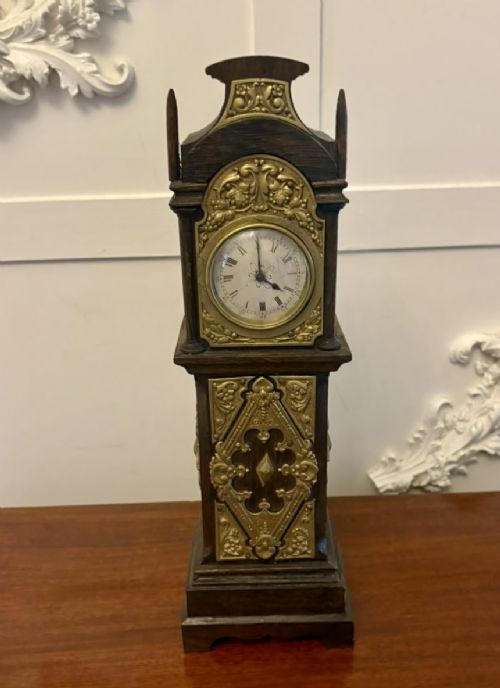
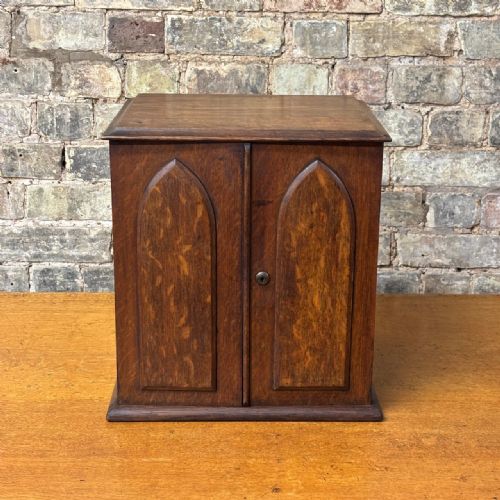
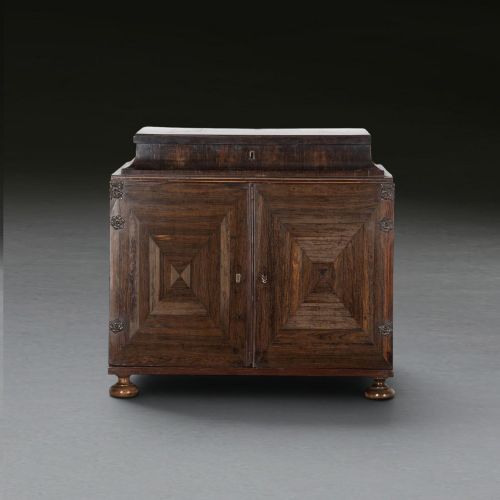
Alongside actual miniature tables, the category often embraces related small oak forms such as table cabinets, commodes, and writing boxes. These diverse objects share the heavy reliance on timber construction seen in full-sized furniture.
How they were made
Makers constructed these items primarily from solid oak, sometimes combining hardwood or brass fittings, iron, and silver plate for hinges, handles, and mounts. Joinery techniques mirrored full-scale cabinet making, ensuring structural integrity despite the reduced scale.
Miniature Oak Table Retail Price Guide 2026
Typical asking prices for miniature oak table among the pieces listed under this phrase on Sellingantiques today, from the lower quarter to the upper quarter. They describe what is for sale here now, not the wider market.
Recorded styles range from Victorian and Gothic Revival to Arts and Crafts, Flemish Baroque, and French Provincial.
What varies in quality
Quality rests upon the fidelity of the proportions and the crispness of the timber carving. Superior examples demonstrate precise scaling that mimics a full-sized counterpart rather than appearing clumsy or blocky.
The selection of the oak timber itself dictates the character of the piece, with tightly grained boards and pleasing medullary rays marking out the better specimens. Original hardware and sound structural joinery elevate an item above simpler utilitarian pieces.
The Miniature Oak Table Glossary
- Refectory table
- A long dining table scaled down into miniature form. They typically feature sturdy legs connected by stretchers.
- Draw leaf table
- A table equipped with pull-out leaves beneath the main top to extend its surface area. Miniature versions replicate this complex sliding mechanism.
- Tripod table
- A small round table supported by a central pillar and three legs. They appear frequently in eighteenth and nineteenth century domestic settings.
- Flemish Baroque
- A decorative style characterised by rich, exuberant carving and scrollwork. Pieces in this manner often display heavy ornamentation.
Miniature Oak Table: Frequently Asked Questions
What are miniature oak tables?
Miniature oak tables are small-scale wooden items created across several centuries by craftsmen and apprentices. They replicate the exact forms of full-sized furniture like refectory, tripod, and draw leaf tables.
These pieces served various purposes, including trade displays, skill demonstrations, or decorative items for wealthy homes. Their small size allowed makers to experiment with complex joinery and carving styles.
How were apprentice pieces used?
Apprentice pieces were created by trainees to prove their mastery of woodworking techniques to master craftsmen. Successful completion often marked the end of an apprenticeship and entry into a trade guild.
Because they were test pieces, makers poured considerable skill into their construction. This origin explains the high level of detail found in many small oak tables and cabinets.
How do I care for antique oak?
Antique oak benefits from stable indoor humidity and protection from direct sunlight to prevent the timber from drying and splitting. Regular dusting with a soft, dry cloth keeps the surface clean without stripping the aged patina.
Avoid placing these items near radiators or heat sources which can warp the wood and loosen old joinery. Occasional application of suitable wax helps nourish the antique surface.