



Miniature Art on Porcelain
Miniature art on porcelain combines delicate hand-painting with compact forms, offering collectors intimate portraits, intricate plaques and small decorative vessels from past centuries.
Miniature Art on Porcelain
Miniature art on porcelain encompasses small-scale painted objects including wall plaques, portraits, snuff bottles, jewellery and decorative bowls. These pieces emerge from periods spanning the Victorian era, the nineteenth century, and into the early twentieth century.
Forms range from framed wall art and antique pendants to three-handled mugs and snuff bottles, reflecting both European continental traditions and Qing Dynasty production.
How they were made
Makers applied hand-painted pigments directly onto porcelain surfaces, often fixing the colours through kiln firing to achieve permanent detail. Enamel work frequently supplements the painted porcelain, adding depth to smaller objects such as jewellery and snuff bottles.
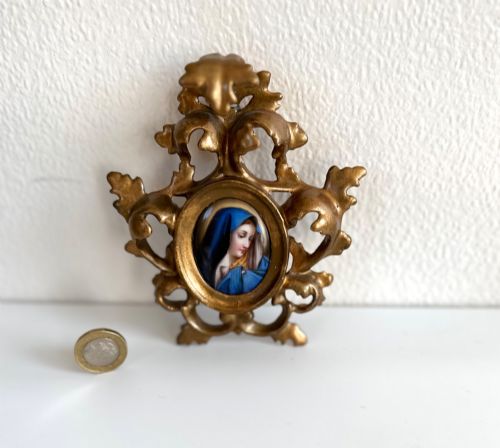
Many of these miniature works are housed within bespoke surrounds utilising giltwood, carved wood frames, gold leaf, or mounted in silver settings. Velvet linings and intricate frames provide both protection and a formal presentation for the delicate porcelain centres.
Miniature Art on Porcelain Retail Price Guide 2026
Typical asking prices for miniature art on porcelain among the pieces listed under this phrase on Sellingantiques today, from the lower quarter to the upper quarter. They describe what is for sale here now, not the wider market.
One exceptional snuff bottle from the Daoguang Period depicts a spring palace scene, proving great art sometimes hides in small containers.
What varies in quality
The refinement of the brushwork largely defines the standard of miniature art on porcelain, distinguishing simple decoration from meticulous hand-painted detail. Skill in rendering facial expressions, drapery, and tonal gradation reflects the hand of a master painter.
The quality of the secondary materials - such as deeply carved giltwood frames, gold leaf application, and solid silver mounts - complements the porcelain piece. Signed works by established manufactories or known artists carry distinct attributes in both ceramic body preparation and pigment durability.
Daisy Makeig Jones·K P M·Sevres
The Miniature Art on Porcelain Glossary
- Porcelain
- A ceramic material made by heating materials, generally including kaolin, in a kiln to a high temperature. It provides a smooth, white ground ideal for detailed miniature painting.
- Enamel
- A glassy substance fused to the surface of porcelain or metal through firing. It adds vibrant colour and a glossy finish to smaller items like snuff bottles and jewellery.
- Giltwood
- Wood that has been treated with a thin layer of gold leaf or gold paint. Frames made from giltwood frequently enclose porcelain plaques to enhance their visual weight.
- Lustre
- A type of ceramic glaze that imparts a metallic or iridescent sheen to the surface. This technique appears on decorative bowls and mugs from the early twentieth century.
- Parure
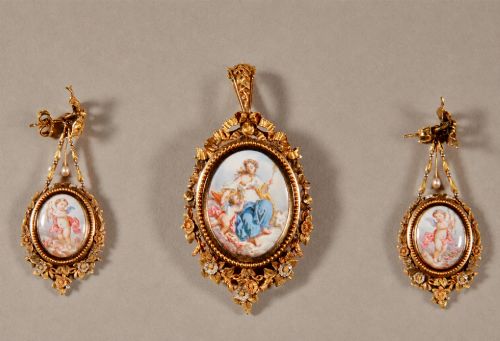
- A set of matching jewellery designed to be worn together. In this context, it incorporates enamel and porcelain miniature paint work into a coherent ensemble.
Miniature Art on Porcelain: Frequently Asked Questions
How were miniature porcelain plaques displayed?
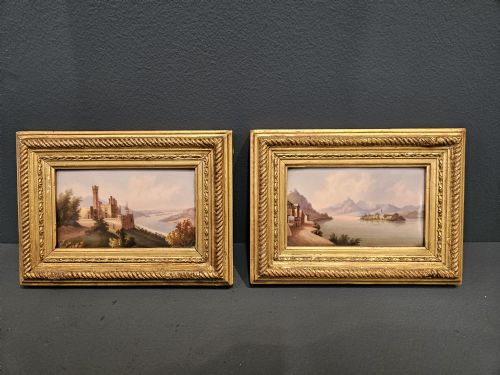
Miniature porcelain plaques were typically mounted inside carved wooden or giltwood frames for hanging on walls as domestic art. Some were integrated into furniture panels or kept in cabinets alongside other small decorative items.
Their compact size allowed owners to arrange multiple plaques together in intimate gallery spaces or study rooms. Frames often included velvet backing or trim to protect the edges of the ceramic body.
What subjects appear on these porcelain artworks?
Common subjects include religious icons such as the Madonna, copies of Renaissance masterpieces by painters like Raphael, and detailed portraits. Erotic scenes also appear on specific forms like Qing Dynasty snuff bottles.
Floral motifs, abstract lustre patterns, and classical figures further populate the painted surfaces across different manufacturing periods.
How do you date miniature porcelain art?
Dating relies on identifying factory marks, artist signatures, and the style of the mounting or frame. Victorian and nineteenth-century pieces often feature specific registration marks or handwritten inscriptions on the reverse of the porcelain.
Stylistic shifts, such as the transition from Rococo Revival frames to Art Deco influences in the nineteen-thirties, help narrow the period of creation.
Can antique porcelain jewellery be worn daily?
Antique porcelain jewellery, such as pendants and brooches from the Victorian era or later, requires careful handling due to the fragile nature of painted ceramic. Regular wear exposes the enamel and paint work to potential impacts or moisture damage.
Owners generally reserve these delicate pieces for occasional wear and store them in fitted boxes lined with velvet or soft fabric.