


Miniature Porcelain Vases
Miniature antique porcelain vases demand careful attention for their intricate hand-painted detail and variety across Victorian and Meiji periods.
Miniature Porcelain Vases
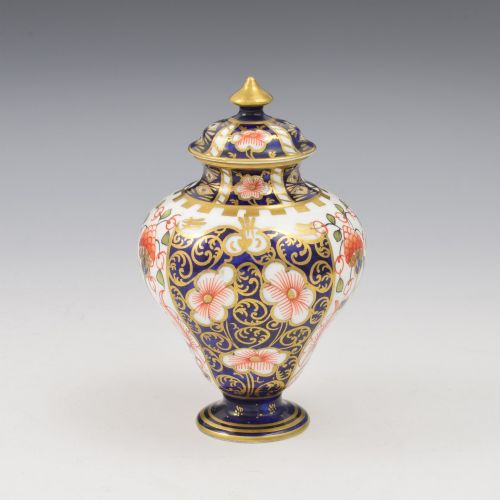
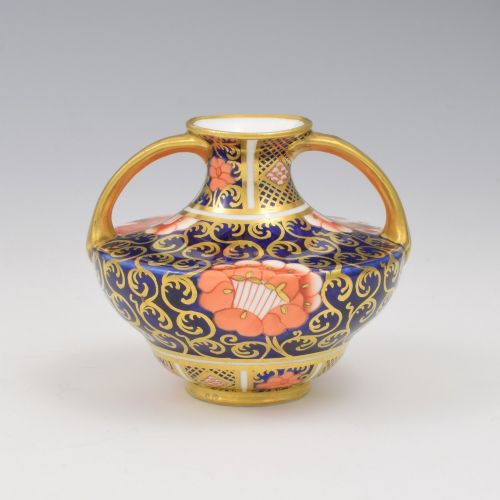
Miniature antique porcelain vases encompass small vessels, bud vases, and scent bottles produced across the nineteenth and early twentieth centuries. These tiny pieces mirror the decorative styles of their larger counterparts, ranging from British factory wares to Japanese export ceramics. When exploring miniature antique porcelain vases, buyers encounter everything from traditional Imari patterns to delicate hand-painted wildlife scenes.
British makers such as Royal Crown Derby, Royal Worcester, and Doulton produced small porcelain and earthenware vessels during the Victorian and Edwardian eras. Alongside these, Japanese Satsuma and Imari pieces represent a significant portion of the available small vessels. Each object demonstrates how artisans scaled down complex decorative schemes to fit diminutive surfaces.
What varies in quality
The precision of the hand-painted brushwork distinguishes superior examples from standard production pieces. Finer items exhibit crisp lines in their enamel work and careful application of gold leaf, particularly on figural processions and floral panels. The clarity of the glaze and the refinement of the ceramic body further separate works by master artists from commercial output.
Signatures and factory marks also influence how collectors assess individual items. Pieces bearing recognizable artist signatures or specific pattern numbers point to higher levels of craftsmanship and documented workshop origin.
Some tiny vessels feature secret erotic scenes hidden away in palace snuff bottles.
Royal Crown Derby·Stevenson and Hancock·Crown Staffordshire·Doulton Lambeth·Flight Barr and Barr·Royal Worcester
The Miniature Porcelain Vases Glossary
- Imari
- A traditional Japanese style of porcelain decorated in underglaze blue, iron red, and gold. This aesthetic heavily influenced British potteries during the nineteenth century.
- Satsuma
- A type of Japanese earthenware featuring a crackled ivory glaze and elaborate polychrome and gilt decoration. These pieces often depict historical figures, landscapes, or crowded family scenes.
- Gilt
- A thin layer of gold applied to the surface of porcelain or earthenware. It highlights rims, handles, and specific decorative motifs.
- Enamel
- Opaque glass-like pigments fused to the ceramic surface during firing. They provide the vibrant colours seen on small painted vessels.
- Bud vase
- A narrow-necked vessel designed to hold a single flower. These small forms were popular across Victorian and Edwardian households.
Miniature Porcelain Vases: Frequently Asked Questions
What are miniature antique porcelain vases?
These items are small-scale ceramic vessels produced by European factories and Japanese export workshops during the nineteenth and early twentieth centuries. They replicate the decorative schemes of full-sized mantel vases in a fraction of the space.
Collectors prize them for their concentrated artistry, often featuring meticulous hand-painting and intricate gilt detailing.
How were miniature antique porcelain vases used?
Victorians and Edwardians placed these tiny vessels on mantelpieces, occasional tables, and in specialised display cabinets. Some specific forms functioned as scent bottles or covered jars alongside standard display wares.
Their diminutive scale allowed households to exhibit diverse ceramic styles without requiring extensive display space.
How do I care for miniature antique porcelain vases?
Dust these delicate objects gently with a dry, soft brush to protect fragile enamel and gold leaf decorations. Avoid using water or chemical cleaners, which can damage historic glazes and painted surfaces.
Keep them away from direct sunlight and areas subject to sudden temperature fluctuations to preserve the ceramic body.
How do I distinguish Meiji Satsuma from Victorian British porcelain?
Meiji Satsuma pieces typically feature a characteristic ivory-coloured crackle glaze paired with dense polychrome enamels and raised gold work. British pieces by makers like Royal Worcester or Royal Crown Derby usually employ hard-paste porcelain with transfer-printed outlines and hand-coloured infills.
Examining the base marks and the underlying ceramic material usually clarifies the origin of the piece.