


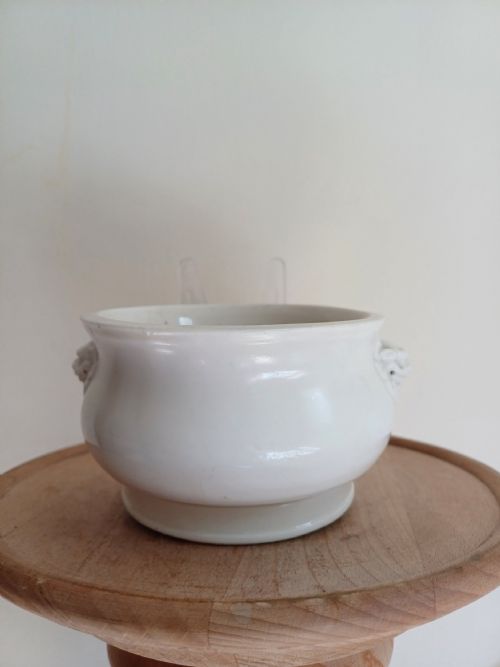

Ming Dynasty Bowl
A ming dynasty bowl brings centuries of imperial history and scholar tradition directly to your table.
Ming Dynasty Bowl
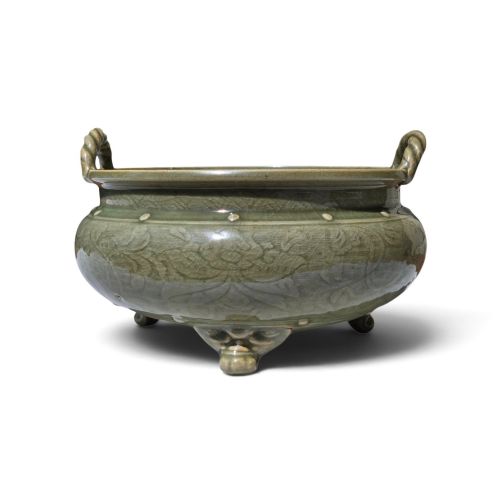
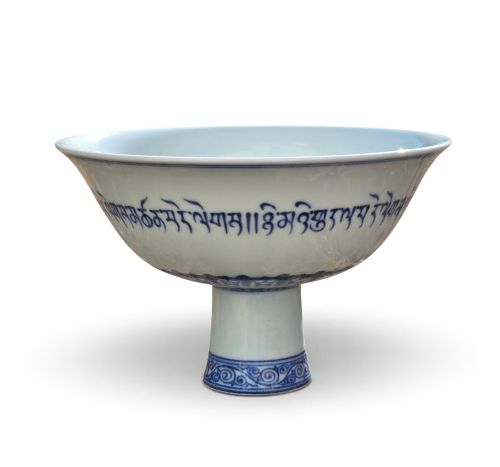
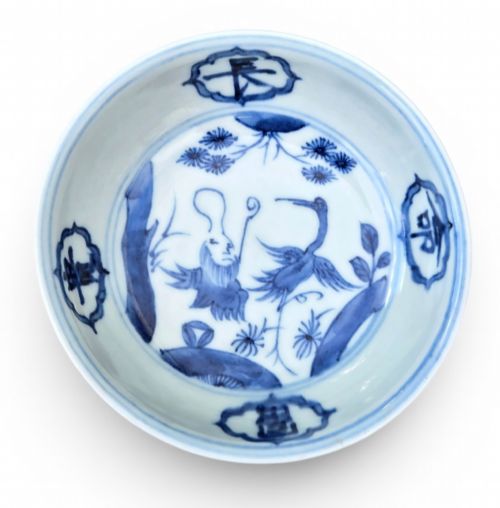
When searching for a ming dynasty bowl, collectors encounter various ceramic and bronze vessels originating from the sixteenth and seventeenth centuries. These historical pieces range from deep punch bowls and blue and white export wares to heavy scholar censers and delicate stem cups.
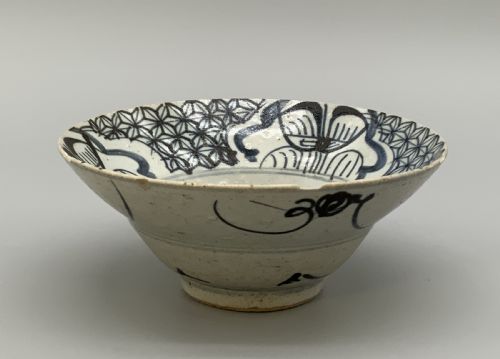
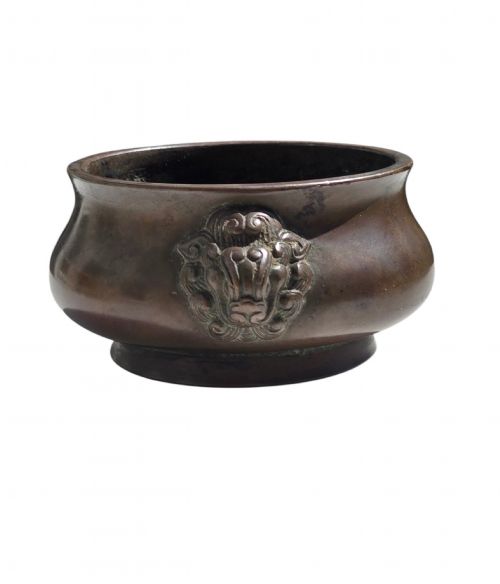
The most common vessels met on this page are blue and white porcelain chargers, Swatow bowls, and cast bronze censers bearing traditional motifs. Such items served functional roles in households and scholarly pursuits, bridging utilitarian use with high decorative art.
The objects span multiple centuries, including later nineteenth-century interpretations influenced by earlier Chinese imperial styles. Buyers find both robust stoneware and refined porcelain alongside utilitarian cargo vessels retrieved from historic maritime routes.
How they were made
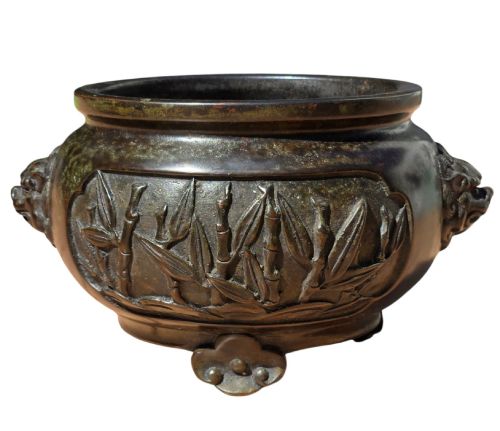
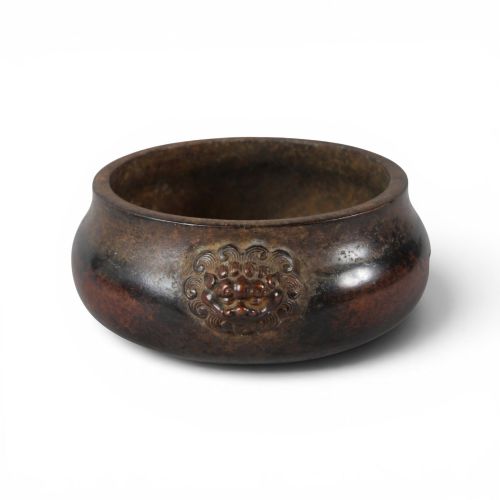
Potters shaped these vessels using fine porcelain clay, celadon glazed stoneware, and cast bronze, applying cobalt underglaze pigments to create vibrant blue and white designs. Artisans executed intricate relief panels, Taotie masks, and animal motifs directly into the bronze or onto the ceramic surfaces.
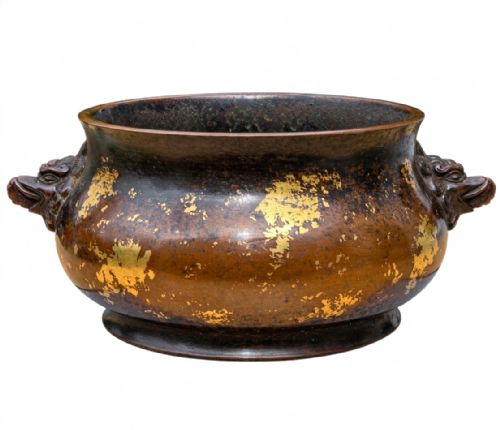
Techniques varied between the high-temperature firing of porcelain in imperial kilns and the meticulous sand-casting of heavy scholar bronzes. Glazing methods included rich cobalt blue applications, celadon finishes, and gilt splashes that enhanced the visual texture of the metal and clay.
Some bronze censers weigh over three thousand grams, proving that past scholars enjoyed paperweights with real muscle.
What varies in quality
Quality rests in the crispness of the cobalt painting, the weight and balance of the cast bronze, and the preservation of the original glaze. Superior examples display confident brushwork and precise relief work rather than hurried or muddy execution.
The distinction between standard export wares and pieces created for the imperial court lies in the refinement of the material and the complexity of the decoration. Heavier, well-balanced bronzes and meticulously painted porcelain command greater attention from serious collectors.
The Ming Dynasty Bowl Glossary
- Celadon
- A green glazed ceramic finish developed in China, prized for its jade-like appearance. It typically coats heavy stoneware bodies.
- Kraak
- A type of Chinese export porcelain characterised by segmented panel decoration, commonly produced during the Wanli period. These dishes and bowls frequently appeared on European tables.
- Swatow
- A broad category of Chinese provincial porcelain and stoneware made for export during the late Ming dynasty. These wares often feature bold, spontaneous cobalt blue painting.
- Censer
- A vessel used for burning incense, frequently cast in bronze with ritual mask handles. Scholars kept them on desks for contemplation.
- Stem cup
- A cup elevated on a tall, slender foot, utilised in ritual or ceremonial contexts. Examples include blue and white decorated variations.
Ming Dynasty Bowl: Frequently Asked Questions
How do I care for a ming dynasty bowl?
Display porcelain and bronze vessels away from direct sunlight and sudden temperature shifts to protect the glaze and metal surfaces.
Dust them gently with a soft, dry cloth and avoid using chemical cleaning agents or submerging historic metalwork in water.
Were these bowls used daily?
Many ceramic bowls served practical functions for dining, punch service, or cargo transport across maritime trade routes.
Other objects, such as bronze censers and scholar pieces, remained on desks for burning incense during meditation and writing.
What is Kraak porcelain?
Kraak porcelain refers to Chinese export ware from the Wanli period featuring distinct panelled borders and central botanical or animal motifs.
Potters painted these pieces in cobalt blue, and traders brought them to Europe in large quantities via armed merchant ships.
How do I identify bronze scholar pieces?
Scholar pieces typically take the form of heavy cast bronze censers adorned with Taotie masks, lion handles, or relief panels depicting natural themes.
Scholar-officials used these substantial vessels on their desks for burning incense during literary pursuits.