




Military Horse Art
Military horse art captures the formidable bond between cavalry officers and their mounts across centuries of British and European campaigns.
Military Horse Art
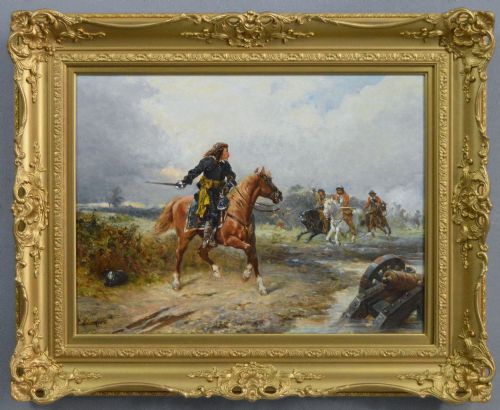
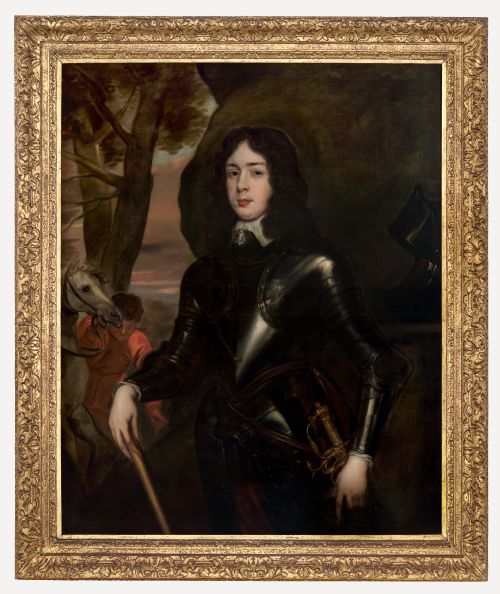
Military horse art brings together oil paintings, watercolours, hand-coloured prints, and porcelain wall plaques depicting officers, chargers, and campaign scenes. These works range from seventeenth-century portraits of royalist commanders with their mounts to nineteenth-century depictions of hussars and cavalry engagements.
Buyers encountering this selection will most frequently find nineteenth-century oil paintings and period watercolours depicting mounted officers and military horses. Framed prints and porcelain plaques also appear, representing the enduring popularity of equestrian military subjects across Victorian and early twentieth-century production.
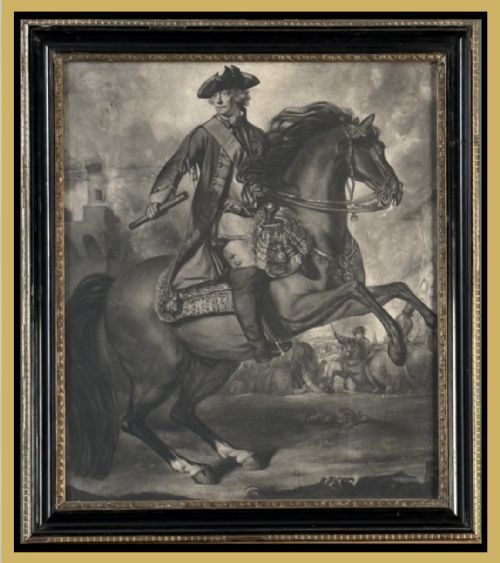
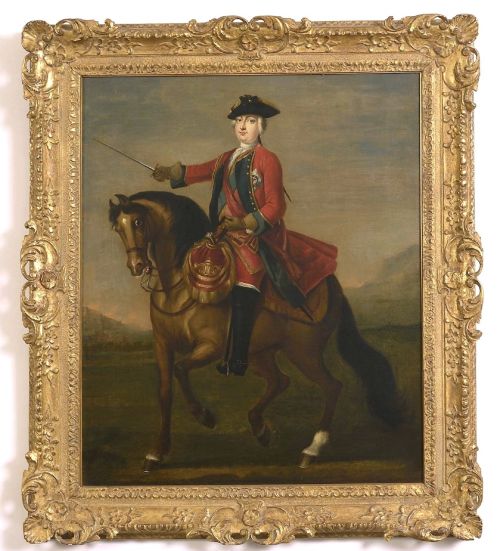
The material origins span British, French, and Flemish schools, reflecting the international nature of cavalry traditions. Works often depict specific historical figures, such as the Duke of Cumberland or Prince Eugene of Savoy, alongside untitled studies of regimental chargers and battle scenes.
Assessing Quality
The distinction between works rests upon the precision of anatomical depiction in both the human figures and the horses, alongside the handling of light and movement. Masterful brushwork in oil or delicate control in watercolour elevates an observational military study into a compelling historical document.
Provenance and attribution strongly influence the standing of a piece, with signed works or those attributed to known artists and established schools commanding greater attention. The preservation of the original medium, whether oil, watercolour, or print, remains central to the integrity of each piece.
The selection includes British Sporting Art, Victorian Genre, and Napoleonic styles alongside traditional equestrian portraits.
Edward Fisher·Sir Joshua Reynolds·John Wootton·Thomas Hudson·Sir Anthony van Dyck·Edith Alice Simkins·Gilbert Scott Wright·Thomas Mackay·Albert Ferdinand Le Dru·Donald Wood·William Edward Millner·Harry Ashby
The Military Horse Art Glossary
- Cavalry
- Soldiers who fought on horseback, forming a primary mobile strike force in European armies. Depictions of these regiments dominate many historical equestrian works.
- Charger
- A strong, spirited horse ridden by an officer into battle. These animals are central to formal military portraiture.
- Mezzotint
- A printmaking process of the intaglio family, done on copper, allowing for rich gradations of tone and shadow. It was frequently used for reproducing grand portraits of military commanders.
- Giltwood
- Wood that has been covered with a thin layer of gold leaf or gold paint. It is commonly found on traditional frames housing historical oil paintings and prints.
Military Horse Art: Frequently Asked Questions
What periods do these pieces cover?
The selection spans from the seventeenth century through to the early twentieth century, encompassing seventeenth-century baroque styles, Georgian compositions, and Victorian military art.
Later pieces extend into the 1920s and 1940s, showing a continuity of interest in military subjects and equestrian portraiture.
How should I care for these works?
Works on paper, watercolours, and prints require protection from direct sunlight to prevent fading of the pigments and discolouration of the paper support.
Oil paintings on canvas or board benefit from stable indoor humidity and gentle dusting with a soft, dry brush to preserve the paint surface.
How are officers and horses depicted?
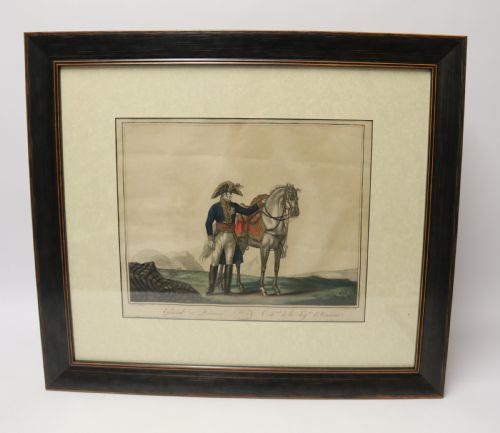
Portraits often feature an officer standing or mounted beside his charger, sometimes with a battlefield or encampment visible in the background.
Action scenes capture hussars in combat, cavalry charges, or quiet moments during campaigns, reflecting the varied experiences of military life.
Are these works original or reproductions?
The inventory includes original oil paintings, hand-coloured period watercolours, and vintage prints created during the respective historical eras.
Each medium carries its own characteristics, from the texture of oil paint on canvas to the fine lines of period printmaking.