
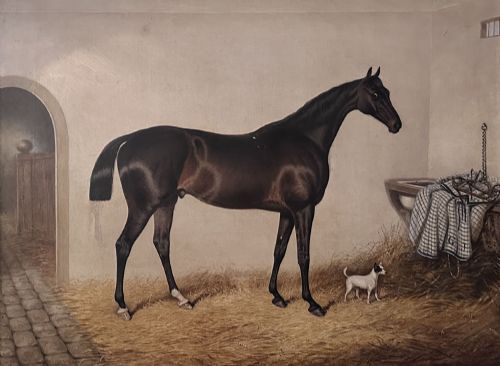


Dark Brown Horse Portrait
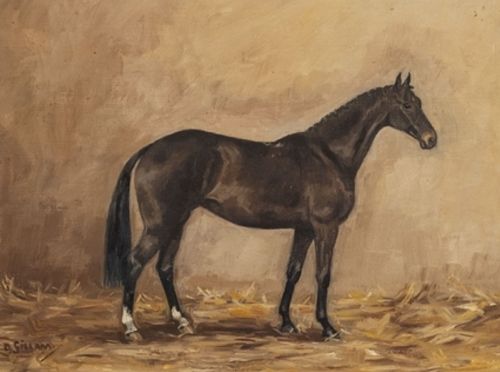
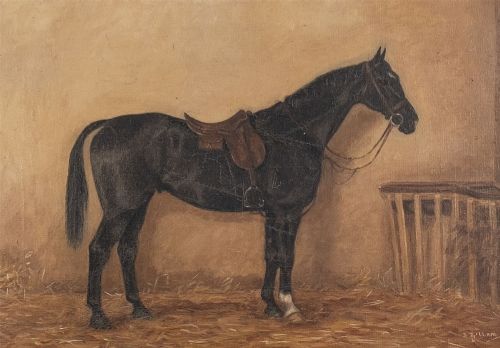
A dark brown horse portrait captures the power and presence of these animals in oil and canvas through centuries of fine sporting art.
Dark Brown Horse Portrait
A dark brown horse portrait brings the rich traditions of British sporting art directly into a room, recording individual animals with striking fidelity. These works range from intimate studies of named hunters and champions to grander compositions set against stables or open countryside.
Buyers exploring this genre will most frequently encounter nineteenth-century oil paintings on canvas or panel, alongside occasional works from the eighteenth and seventeenth centuries. The subjects span working farm animals, sleek racehorses, and treasured family mounts captured by both named artists and provincial hands.
The enduring appeal of these paintings lies in their directness, offering a window into historical relationships between people and horses. Each piece documents not only the physical conformation of the animal but also the prevailing artistic styles of its period.
Materials and Techniques
Painters working within this tradition relied primarily on oil paint applied to stretched canvas, wooden panels such as pine, or occasionally paper supports. Pigments were built up in layers to render the deep tones of a dark brown or bay coat, utilising glazes to achieve depth and lustre.
Framing forms an integral part of these pieces, with many works retained in period wooden frames that complement the painting. Preparatory techniques involved careful drawing of the horse's anatomy before the application of rich earth tones and darker shadows.
Several horses captured in these historical portraits clearly possessed opinions about sitting still for their painters.
Distinguishing Quality
The distinction between ordinary and exceptional works rests upon the artist's command of equine anatomy and movement. A superior painting demonstrates precise observation of muscle structure, eye expression, and coat sheen, rather than relying on generic formulas.
Depth of composition and handling of light also separate works, where skilled brushwork brings texture to the mane, tail, and leather tack. The integration of the horse with its background, whether a stable interior or a landscape, reveals the confidence of the hand behind the brush.
Augustin Edouart·W Williams·W.A. Clark·Walter Herbert Wheeler
The Dark Brown Horse Portrait Glossary
- Bay
- A horse coat colour characterised by a reddish-brown body with black points on the mane, tail, and lower legs. This shade forms the foundation of many traditional sporting portraits.
- Oil on Canvas
- A traditional painting method utilising pigments suspended in a drying oil applied to a woven fabric support. This combination allows for rich blending and longevity.
- Sporting Art
- A genre of visual art depicting blood sports, racing, equestrian subjects, and dogs. It holds a distinct place in British painting history.
- Panel Painting
- A work executed on a flat piece of wood rather than canvas. Pine and oak were frequently utilised by artists during earlier centuries.
- Gouache
- An opaque water-based paint medium used on paper supports. It provides solid fields of colour alongside finer watercolour detailing.
Dark Brown Horse Portrait: Frequently Asked Questions
How do I identify the period of a horse painting?
Dating relies on examining the stretcher frames, canvas type, and the pigments used by the artist. Costume details in any accompanying figures also provide reliable clues.
Stylistic conventions of the background landscape help narrow the decade of production. Early works often display different framing methods compared to Victorian or Edwardian pieces.
What is the difference between a bay and a dark brown horse?
A bay horse displays a reddish-brown coat with distinct black points on the mane, tail, and lower legs. Dark brown horses exhibit a deeper, almost black body colour while retaining brown areas around the muzzle and flanks.
Artists during past centuries documented these coat variations with precision to reflect the exact appearance of prized animals. Examining the under-tones in natural light reveals these distinctions.
How were these paintings displayed originally?
Equestrian portraits typically hung in country houses, estate libraries, and stable offices to honour prized hunters, racehorses, and champions. They served as both decorative statements and records of valuable livestock.
Owners commissioned these works to celebrate victories on the turf or to remember a faithful mount. Today, they transition easily into domestic interiors ranging from traditional studies to modern rooms.
What canvas supports should I expect to find?
Nineteenth and twentieth-century works most commonly appear on woven linen or cotton canvas stretched over wooden frames. Earlier pieces from the seventeenth and eighteenth centuries frequently utilise wooden panels made of oak or pine.
Each support material influences the surface texture of the paint layer. Panel paintings offer a rigid base, while canvas provides traditional spring and weave.