

Military
A military antique brings the tangible history of service, strategy and conflict into a room through campaign furniture, timepieces, oil paintings and personal gear.
Military
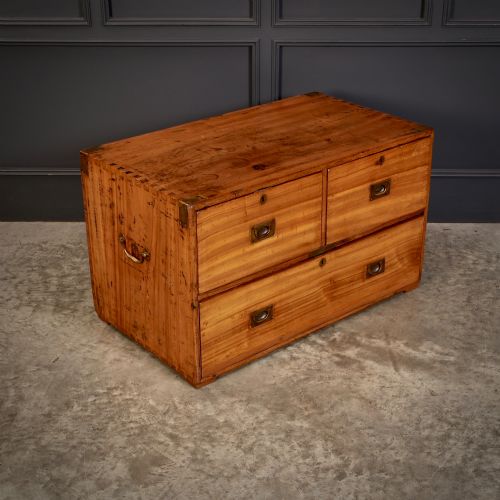
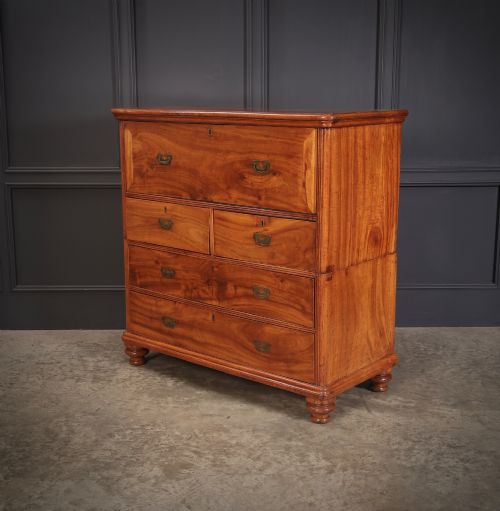
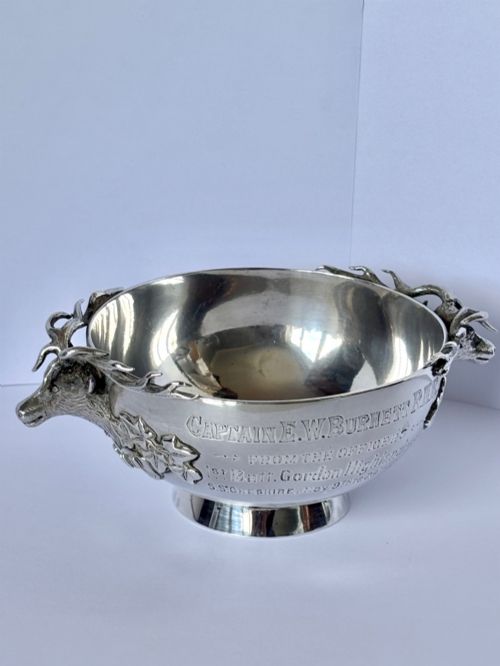
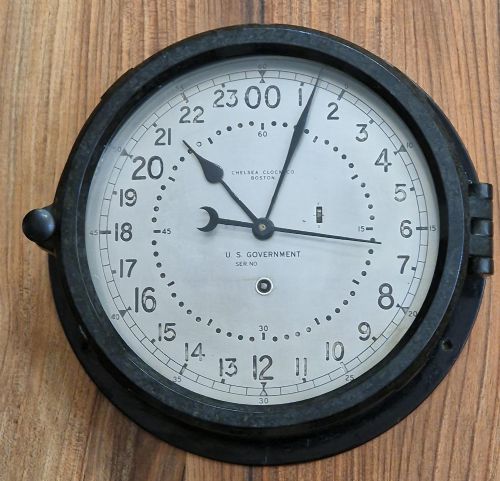
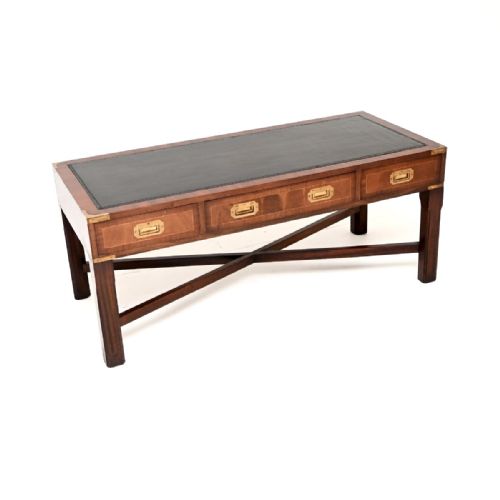
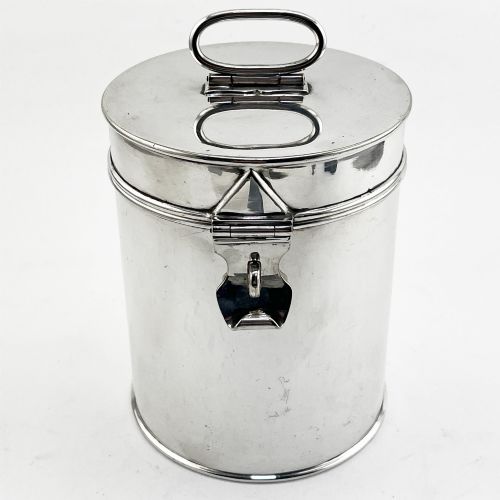
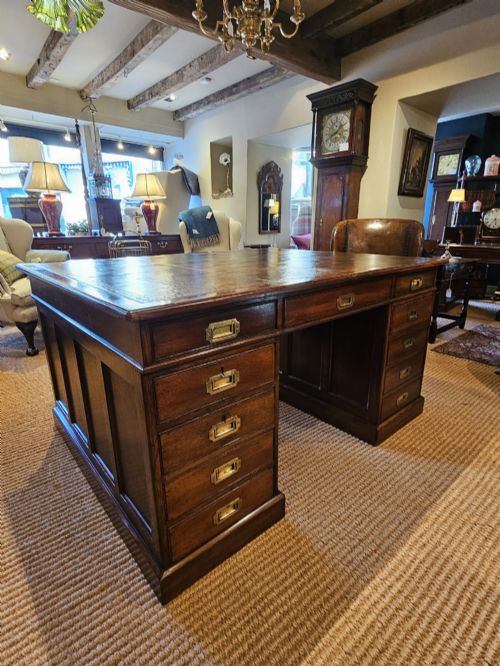
A military antique encompasses items created for service, campaign use and commemoration, spanning centuries from the 17th century through to the mid-20th century. Buyers searching this phrase encounter a diverse array of pieces, including campaign chests of drawers, pocket watches, oil paintings, aviation goggles and carbines.
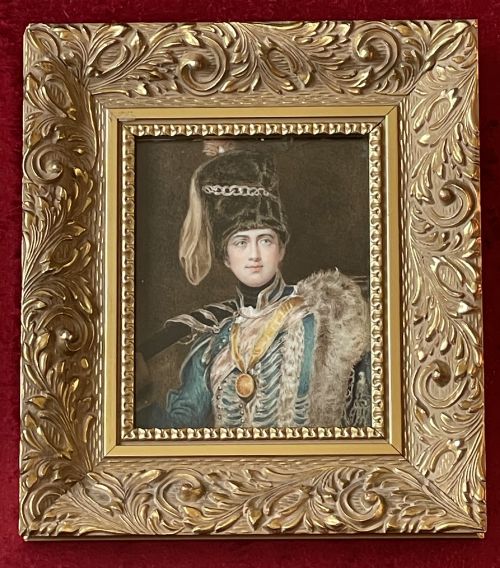
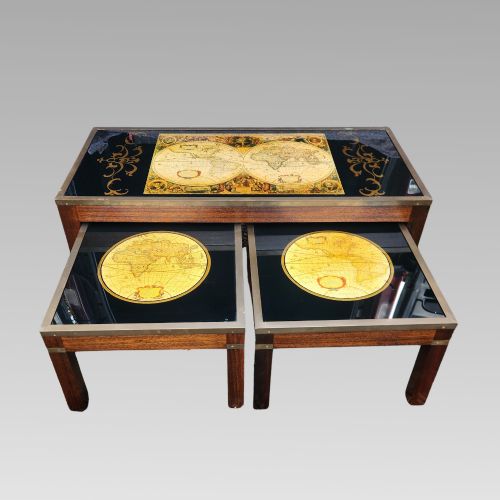
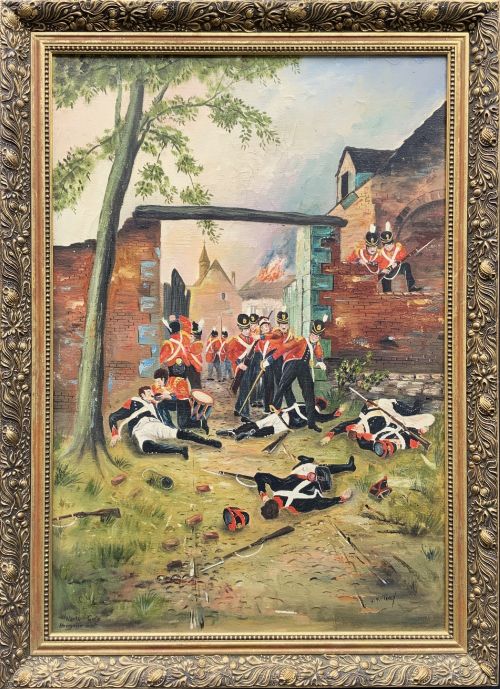
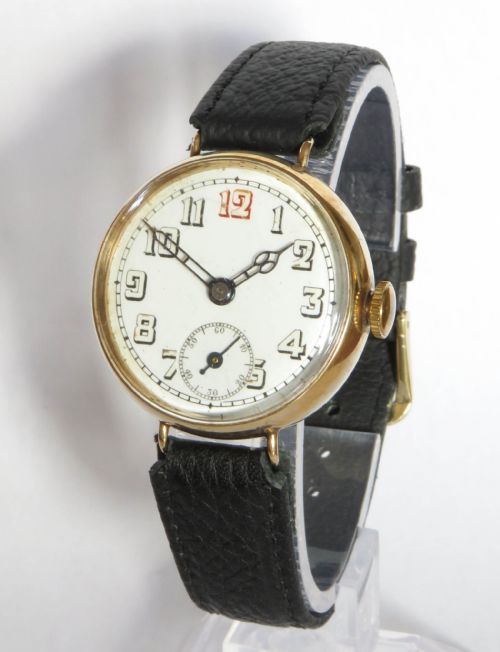
The most prevalent forms on this page include campaign furniture such as camphor wood and mahogany chests designed for transport, alongside service timepieces like pocket watches and stopwatches from various conflicts. Portrait paintings depicting officers, cavaliers and royalty also feature prominently among the selections.
Origins range across British, French, German and American pieces, with periods stretching from the Victorian era and Edwardian times back to earlier centuries. These objects reflect the practical demands of military life and the artistic commemoration of historic campaigns and figures.
Materials and Construction
Makers utilised durable timbers such as mahogany, satin birch, teak and camphor wood to withstand the rigours of transport and campaign life, often housing these woods in robust frames.
Brass fittings, hinges and corner brackets reinforce wooden chests and travelling boxes, providing structural resilience and protection during transit.
Precision metals like steel and silver appear in timepieces, carbines and trinket boxes, while canvas, leather, glass and enamel serve in aviation goggles, sheaths and personal service gear.
Military Retail Price Guide 2026
Typical asking prices for military among the pieces listed under this phrase on Sellingantiques today, from the lower quarter to the upper quarter. They describe what is for sale here now, not the wider market.
A faithful war horse receives immortalisation through taxidermy, preserved by a leading London specialist.
Distinctions in Quality
The degree of original craftsmanship separates standard service items from superior pieces, evident in the precision of a watch movement or the tightness of joinery in a campaign chest.
Material selection dictates much of the standing of an object, where dense timbers and solid brass hardware indicate a commission for high-ranking officers or elite regiments rather than mass production.
Documentation and provenance elevate certain works, particularly in oil paintings and portrait miniatures, where attribution to a recognised artist or connection to a known historical figure adds considerable weight.
Mappin And Webb·Rowland Ward Ltd·Army And Navy Stores·Sir Godfrey Kneller
The Military Glossary
- Campaign chest
- A modular chest of drawers built in two or more sections with recessed brass handles and corner brackets designed for military transport.
- Campaign furniture
- Portable furnishings constructed for officers on campaign, featuring folding mechanisms, robust timbers and protective metal mounts.
- Pocket watch
- A portable timepiece carried in the pocket, often adapted with specialist dials or chronographs for military timing and aviation use.
- Mezzotint
- A printmaking process of the intaglio family, used historically to produce tonal gradations in portrait paintings and military prints.
- Carbine
- A firearm with a shorter barrel than a rifle, issued to cavalry and mobile troops for easier handling in the field.
Military: Frequently Asked Questions
What defines military campaign furniture?
Campaign furniture is specifically engineered for transport during military deployment. These pieces typically separate into modular sections and feature flush brass hardware to prevent snagging.
Built from sturdy woods like camphor and mahogany, they allowed officers to maintain functional quarters in the field.
How are military pocket watches different?
Military pocket watches were issued to personnel for navigation, timing and artillery calculations. They often display robust metal cases and clear dials for rapid reading.
Many bear specific government or military department markings on the reverse or dial face.
What periods do these antiques cover?
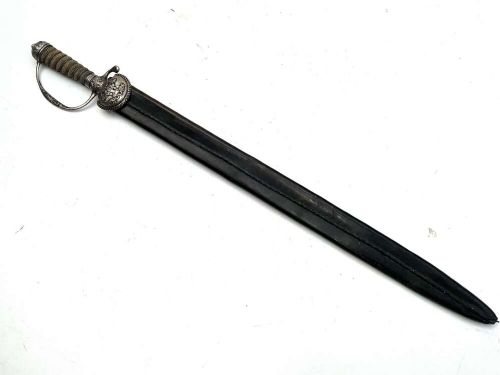
The selection spans from the seventeenth century through the Victorian and Edwardian eras up to the mid-twentieth century. Early pieces include oil portraits and edged weapons.
Later items comprise twentieth-century aviation gear, trench watches and World War equipment.
How do I care for camphor wood chests?
Camphor wood chests require gentle cleaning with a soft cloth to preserve the natural grain and timber oils. Avoid placing them in direct sunlight or near heat sources to prevent warping.
Keep the brass fittings polished with appropriate metal care if you prefer a bright finish.