




Mid Victorian Table Box
A mid victorian table box brings compact utility and refined timber grain to a sitting room, offering a neat surface with hidden compartments.
Mid Victorian Table Box
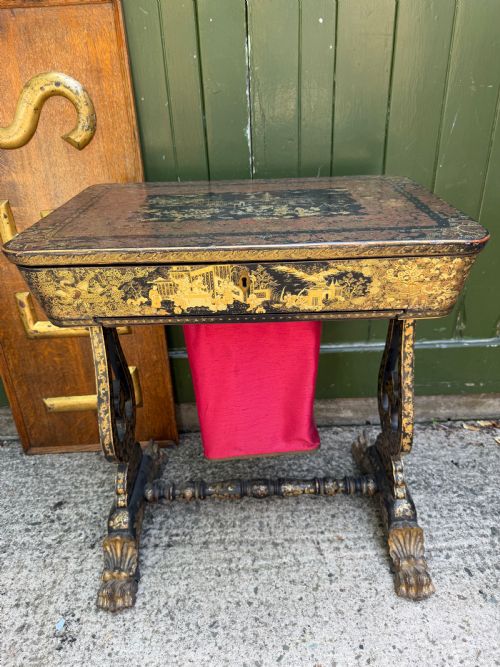
When you search for a mid victorian table box, you encounter compact furnishings from the nineteenth century designed for domestic use. These pieces primarily take the form of work tables, sewing tables, and occasional tables dating from around eighteen-fifty to eighteen-sixty.
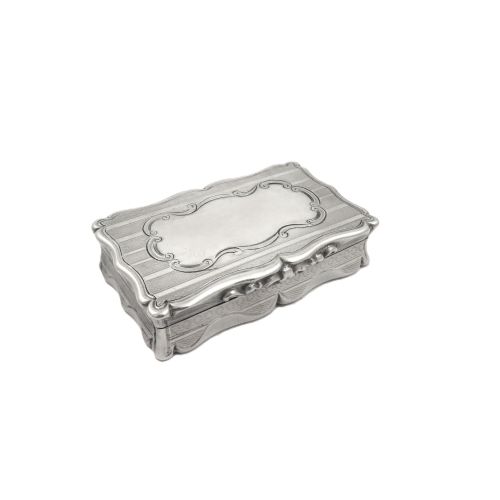
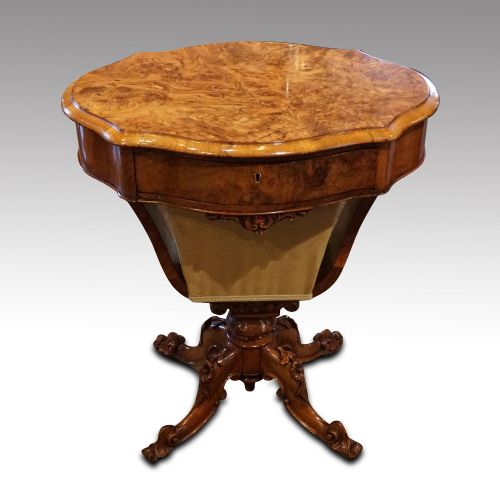
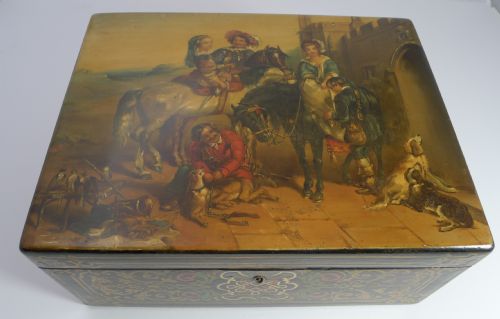
The version you are most likely to meet on this page is a burr walnut or rosewood sewing table featuring a fitted interior and a cradle or pedestal base. Smaller items such as snuff boxes and jewellery boxes also appear, reflecting the Victorian taste for tabletop organisation.
The evidence shows examples spanning the middle decades of the nineteenth century, built for parlour tasks and needlework. These objects combine small-scale furniture with compartmentalised storage for personal items.
Materials and construction
Cabinet makers utilised richly figured timbers such as burr walnut, rosewood, and mahogany for the primary surfaces. These woods were selected for their decorative grain patterns and finished with polished surfaces.
Interior fittings frequently incorporate textile elements like velvet and fabric alongside brass hardware and sterling silver details. Some pieces incorporate hand-painted lacquer decoration applied to the timber frame.
Object forms on this page range from freestanding sewing tables and cradle base work tables to small jewellery and snuff boxes.
Judging quality and execution
The distinction between standard examples and the finest pieces rests upon the choice of timber veneer and the precision of the cabinet work. Superior items display carefully matched burr walnut or rosewood veneers that wrap smoothly across the edges.
Internal arrangement and secondary materials dictate the standing of a piece within the period. Elaborate fitted compartments lined in quality velvet or silk demonstrate a higher grade of manufacture than plain utility interiors.
Jennens & Bettridge
The Mid Victorian Table Box Glossary
- Burr walnut
- A highly figured timber harvested from the wart-like growths on walnut trees. It creates swirling, organic patterns across table tops and cabinet fronts.
- Work table
- A small nineteenth-century table equipped with drawers, bags, or compartments for sewing and needlework. These pieces served a practical function in the Victorian parlour.
- Rosewood
- A dense, dark timber with distinct grain lines utilised extensively in mid-nineteenth-century cabinet making. It polishes to a deep sheen.
- Cradle base
- A supporting framework involving curved or rocking wooden uprights holding a box or table body. This construction allows the top section to tilt or swing.
- Drop-leaf
- A table design featuring hinged flaps on the sides that lift to extend the surface area. These leaves fold down when space is restricted.
Mid Victorian Table Box: Frequently Asked Questions
What is a mid victorian table box?
A mid victorian table box is a nineteenth-century furniture piece designed for sewing, writing, or holding small personal possessions. These items combine a sturdy table base with compartmentalised storage compartments.
They originate from the eighteen-fifties and sixties, constructed in timber species like rosewood and burr walnut. Their primary purpose was to keep domestic tasks neat within the parlour.
How do I identify burr walnut?
Burr walnut is recognisable by its dense, swirling grain patterns created by growths on the tree. Cabinet makers valued this timber for its decorative appearance on table tops and lids.
It appears frequently on Victorian work tables and boxes, contrasting with straight-grained mahogany or rosewood.
Were these pieces used for sewing?
Many mid-nineteenth-century work tables and boxes served specifically for needlework and textile crafts. They contained divided trays and hanging fabric bags beneath the main compartment.
Ladies utilised these compartments to store threads, needles, and ongoing needlework projects near their seating areas.
What materials are typical for these pieces?
The primary woods seen in these listings are burr walnut, rosewood, and mahogany. Interiors often feature textile linings such as velvet and fabric.
Hardware components commonly consist of brass, while smaller items incorporate sterling silver or hand-painted lacquer finishes.