


Mid Victorian Spoon Back Chair
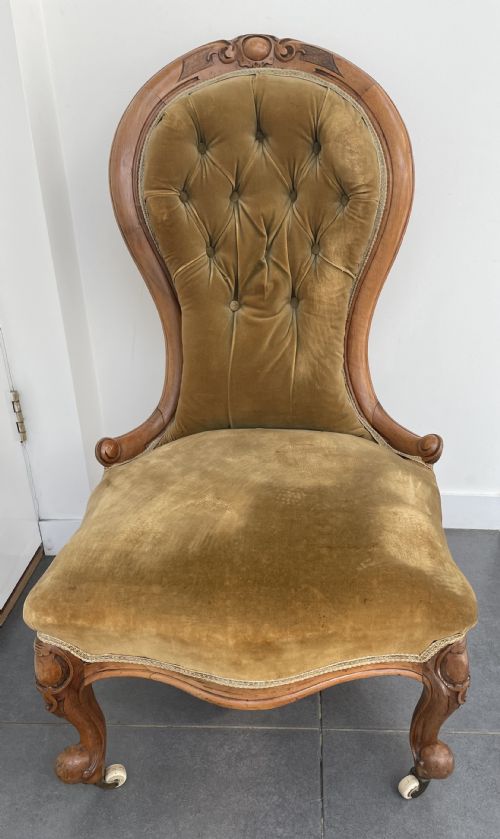
A mid victorian spoon back chair brings curved elegance to a room, offering comfortable seating shaped from walnut or mahogany.
Mid Victorian Spoon Back Chair
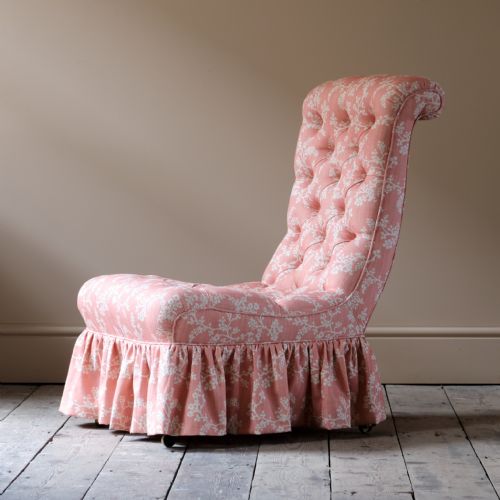
When you search for a mid victorian spoon back chair, you encounter a variety of seating forms designed during the Victorian period, mostly dating from 1850 and 1860. The selection includes walnut occasional chairs, slipper chairs, nursing chairs, dining chairs, salon chairs, and fireside armchairs.
The defining characteristic across these pieces is the distinct spoon-shaped back, which conforms to the human form. Walnut and mahogany frame woods predominate, often paired with velvet, linen, fabric, brass, and ceramic elements.
Materials and construction
Frames are constructed from timber, primarily walnut and mahogany, chosen for strength and grain. Cabinetmakers shaped these woods into curved backs and supportive frames, sometimes incorporating brass fittings or ceramic castors.
Upholstery techniques applied velvet, linen, and general fabric over sprung or padded seats. Button back detailing appears on salon chairs, securing the padding and adding decorative depth to the textile.
Listings on this site feature walnut and mahogany timbers alongside velvet, linen, and ceramic elements across the Victorian period.
Distinctions in quality
Quality rests in the precision of the timber carving and the integrity of the frame. Pieces produced by established makers demonstrate superior joinery and refined proportions in the curved back.
The choice of primary wood and upholstery materials influences the distinction between standard dining seats and elaborately framed salon or fireside armchairs.
Gillows
The Mid Victorian Spoon Back Chair Glossary
- Spoon back
- A chair back shaped in a concave oval resembling the bowl of a spoon. This design emerged to fit the curve of the sitter's spine.
- Nursing chair
- A low-seated chair designed for comfort and ease of holding an infant. These pieces often feature sprung upholstery.
- Slipper chair
- An upholstered chair with low legs, historically used in a bedroom for changing shoes. They typically lack arms.
- Salon chair
- An ornamental seat intended for a drawing room or formal parlour. These examples utilise fine walnut framing and button back upholstery.
- Open arm chair
- A seat featuring exposed wooden arms rather than fully upholstered sides. The framing accentuates the timber grain.
Mid Victorian Spoon Back Chair: Frequently Asked Questions
What is a mid victorian spoon back chair?
A mid victorian spoon back chair is a piece of seating furniture produced around 1850 to 1860 featuring a concave, oval-shaped backrest designed for ergonomic support.
These chairs appear in forms such as nursing chairs, slipper chairs, salon chairs, and fireside armchairs, usually framed in walnut or mahogany.
How do I identify a mid victorian chair?
Identification relies on observing the timber framing, upholstery style, and overall proportions typical of the Victorian period. Look for curved wooden backs, button tufting, and materials like walnut or mahogany.
The presence of specific chair types, such as low nursing seats or open arm fireside chairs, helps narrow down the era of manufacture.
Where were these chairs used?
These seats served various domestic functions depending on their specific form. Dining chairs gathered around tables, while salon and occasional chairs furnished formal rooms.
Fireside armchairs and nursing chairs provided comfortable seating in private chambers and parlours.
What woods were used for these chairs?
Cabinetmakers primarily utilised walnut and mahogany for the structural frames of these pieces. These timbers allowed for the smooth, curved shaping required for spoon backs.
Additional materials like brass and ceramic often appeared in castors or decorative hardware.