



Mid Victorian Ottoman
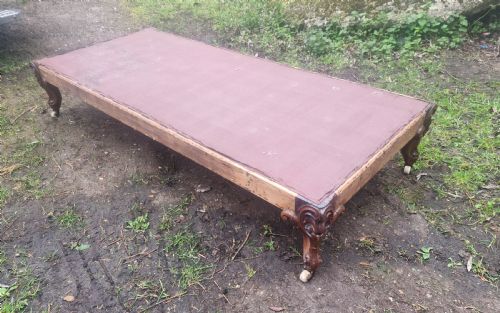
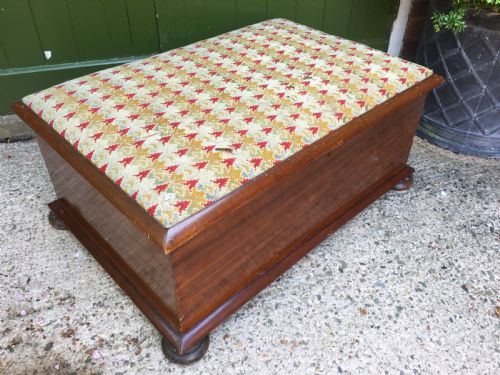
A mid victorian ottoman brings rich woods and needlework upholstery together, offering both comfort and low seating for a traditional room.
Mid Victorian Ottoman
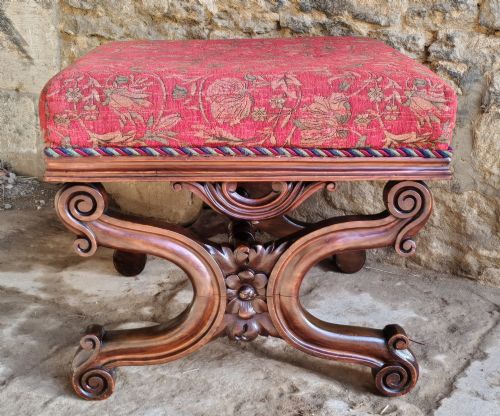
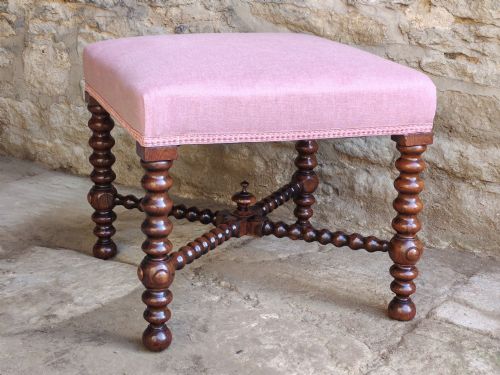
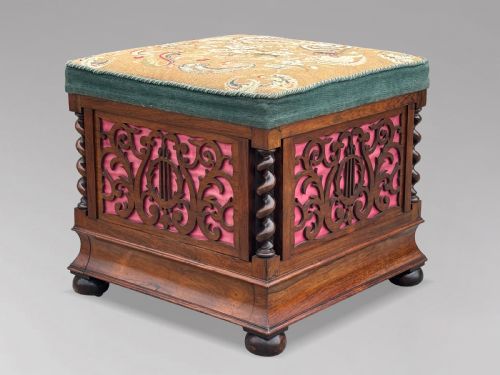
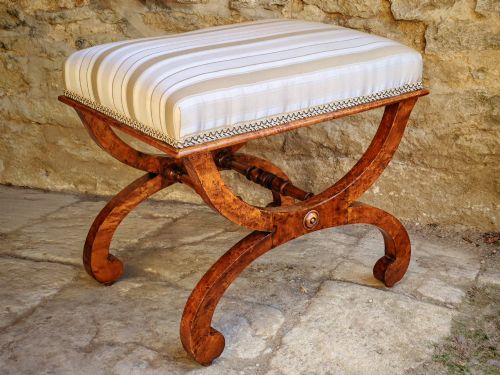
When you search for a mid victorian ottoman, you encounter a selection of footstools, centre stools, piano stools, and window seats originating from the nineteenth century. These pieces encompass various forms including x-frame, bobbin leg, and oblong shapes, often designed for fireside or lounge placement.
The pieces appearing on this page span the Victorian era, particularly around eighteen fifty to eighteen seventy, with distinct Revival influences such as Louis XV and Victorian Rococo. Walnut, rosewood, and mahogany provide the primary timber frames for these items.
Footstools and large ottomans represent the most frequent discoveries in this category, alongside specific formats like gout stools and dressing stools. Buyers often find examples awaiting reupholstery alongside pieces retaining needlework or textile covers.
How they were made
Cabinet makers utilised dense hardwoods like rosewood, walnut, and mahogany, frequently shaping them with carved details or turned supports such as bobbin legs. Burr maple and gilt finishes also appear on select frames from the period.
Upholstery techniques involved traditional textiles, including velvet, fabric, tapestry, and gros-point needlework. Brass elements occasionally supplemented the wooden frames and joinery of these functional seats.
Some nineteenth-century occupants rested their aching feet on angled gout stools while pondering matters of state.
What varies in quality
The standard of carving and the choice of timber set the foundation for a piece, with figured walnut and rosewood occupying the upper tiers. Solid structural joinery in the frame dictates durability.
The integrity and originality of the upholstery, whether historic gros-point needlework or later fabric, influences the character of each piece. Larger scale proportions and refined Revival styling distinguish superior examples.
The Mid Victorian Ottoman Glossary
- Gros-point
- A heavy needlepoint stitch worked on canvas, commonly utilised for durable nineteenth-century upholstery tops. This technique allowed for dense, patterned decorative surfaces on footstools.
- X-frame
- A structural form where two diagonal supports cross to form an X shape, providing robust support for seats. This classical geometry appeared frequently in nineteenth-century stool designs.
- Centre stool
- A freestanding piece designed to be viewed from all sides, placed in the middle of a room rather than against a wall. These items often feature elaborate woodwork.
- Bobbin leg
- A turned furniture leg shaped to resemble a series of bobbins or spools stacked end to end. This decorative turning style was popular during the mid-nineteenth century.
- Gout stool
- An angled footstool specifically constructed to elevate and support the foot or leg. These functional items typically feature adjustable or sloped upholstered platforms.
Mid Victorian Ottoman: Frequently Asked Questions
What is a mid victorian ottoman?
A mid victorian ottoman is a low upholstered seat or footstool produced during the mid-nineteenth century, typically featuring a wooden frame in rosewood, walnut, or mahogany.
These pieces served various domestic purposes, functioning as fireside stools, window seats, or piano benches within nineteenth-century interiors.
Where were these stools used?
Nineteenth-century households placed these stools in drawing rooms, bedrooms, and fireside settings to provide supplementary seating or foot support.
Larger versions functioned as centre stools or window seats, while specialised forms like piano stools supported musicians at their instruments.
How do I care for the upholstery?
Preserving the fabric or needlework top requires gentle dusting and protection from direct sunlight to prevent textile degradation.
Pieces with antique gros-point or tapestry benefit from professional textile cleaning when necessary to maintain the integrity of the fibres.
How do I identify the period?
Dating relies on timber selection, such as rosewood and burr walnut, combined with characteristic nineteenth-century construction methods and Revival styling.
Design motifs like Rococo Revival curves or bobbin turning provide clear indicators of manufacturing origin within the Victorian era.