





Mid Victorian Jewellery
Mid victorian jewellery brings together intricate gold work, carved shells, and deep garnets from the mid-nineteenth century.
Mid Victorian Jewellery
Mid victorian jewellery encompasses wearable adornments and fitted wooden caskets produced during the central decades of the nineteenth century. Pieces appearing on this page span brooches, rings, necklaces, and bracelets alongside larger fitted boxes fashioned from walnut, burr walnut, olive wood, and rosewood.
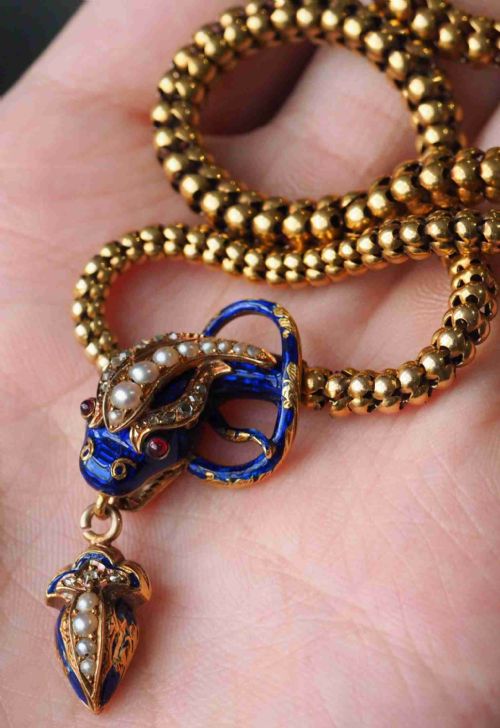
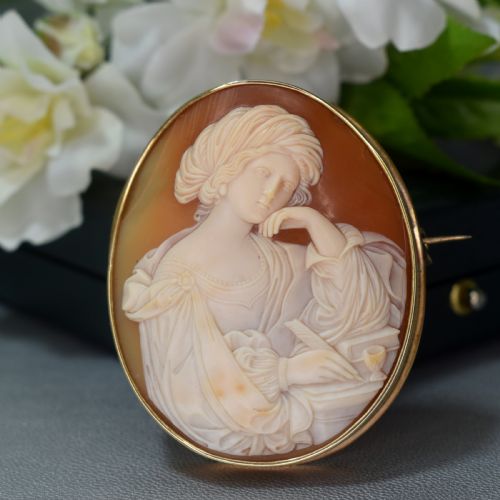
Wearers encounter distinct regional sub-styles within the period, particularly Scottish Revival silver and agate designs, French Second Empire floral sprays, and Italian Grand Tour marquetry. These portable items reflect the aesthetic priorities of the 1850s and 1860s through specific motifs like serpents, cherubs, and classical sibyls.
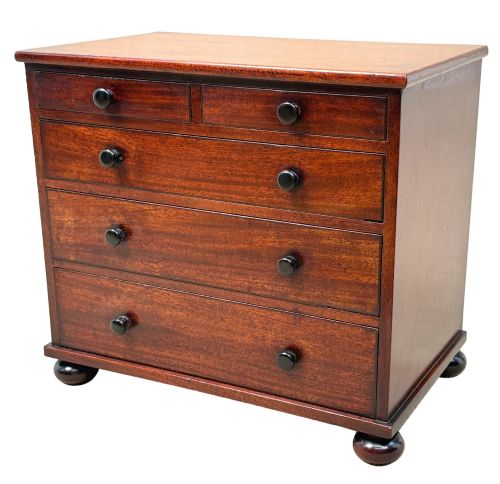
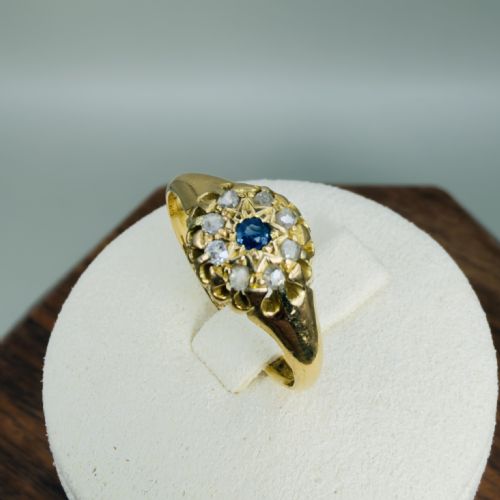
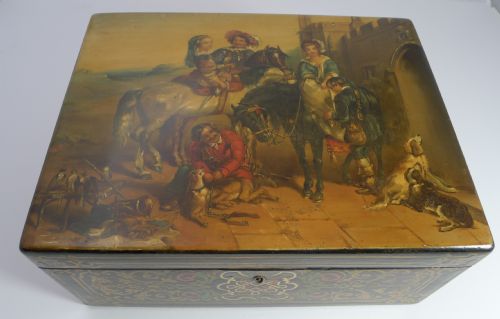
The selection ranges from intimate finger rings set with old mined cut diamonds to substantial carved shell cameos mounted in gold frames. Buyers also find storage pieces such as miniature mahogany chests and hand-painted papier-mâché boxes designed to house these valuables.
Materials and construction
Goldsmiths of the era utilised varied purities of yellow gold, ranging from nine carat up to twenty-one carat, alongside silver and copper-alloyed metals. These precious metals were shaped into ornate frames, hinged serpent bodies, and delicate floral sprays to secure stones and cameos.
Lapidaries and cameo carvers worked natural shell, banded agate, jasper, turquoise, carbuncle garnets, sapphires, and diamonds. Artisans also employed timber veneers like burr walnut and rosewood over solid pine or mahogany carcasses to construct fitted storage boxes with compartments.
Mid Victorian Jewellery Retail Price Guide 2026
Typical asking prices for mid victorian jewellery among the pieces listed under this phrase on Sellingantiques today, from the lower quarter to the upper quarter. They describe what is for sale here now, not the wider market.
Victorian jewellers turned to slithering gold serpents and plump cherubs because nothing says eternal devotion quite like a gemstone-eyed reptile.
Assessing quality in the period
The distinction between ordinary and superior pieces rests upon the crispness of the hand-carving in shell cameos and the precise fitting of timber veneers on boxes. Master craftsmen achieved tight joints and smooth patinas on wooden surfaces, whereas lesser examples show uneven polishing or poorly aligned marquetry.
Stone setting technique dictates durability and visual harmony, with well-made clusters holding old mined cut diamonds and sapphires in secure, balanced claw or bezel arrangements. The depth of engraving on silver and gold brooches similarly separates standard commercial production from accomplished artistic work.
Jennens and Bettridge
The Mid Victorian Jewellery Glossary
- Old mined cut
- A diamond cut with a square or cushion outline, high crown, and small table facet, typical of nineteenth-century stones. This facet arrangement catches candlelight differently than modern brilliant cuts.
- Carbuncle garnet
- A cabochon-cut garnet with a smooth, domed surface rather than faceted edges. Jewellers during the mid-nineteenth century favoured this deep red stone for substantial statement brooches.
- Scottish Revival
- A Victorian design movement incorporating local hardstones like agate and jasper within silver brooch mounts. These pieces often mimic traditional plaid accessories and Highland weaponry.
- Marquetry
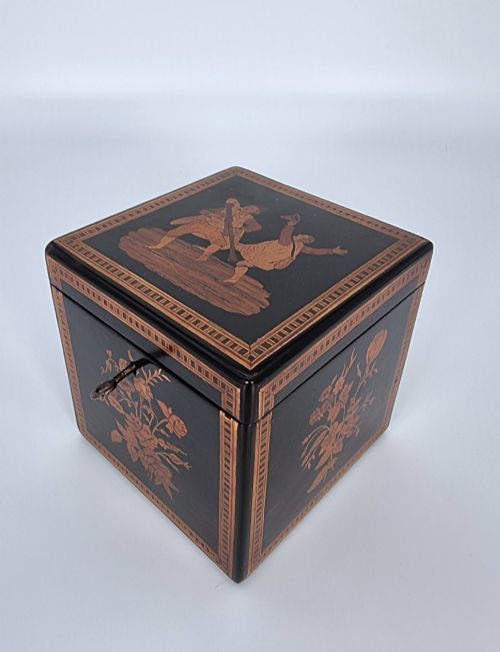
- The art of applying thin slices of decorative wood veneer to form geometric or pictorial patterns on boxes. Sorrento workshops specialised in creating intricate wood pictures for tourists during the Grand Tour.
Mid Victorian Jewellery: Frequently Asked Questions
What defines mid victorian jewellery?
Mid victorian jewellery comprises items made during the 1850s and 1860s, a period marked by sentimental motifs and distinct regional revivals. These objects include both wearable adornments and fitted wooden caskets.
The materials frequently involve yellow gold, silver, garnets, diamonds, and banded agates. Craftsmen employed detailed hand-carving and marquetry to create these distinctive items.
How do I identify Scottish Revival pieces?
Scottish Revival items typically feature sterling silver frames mounted with native hardstones such as grey or red agate and green jasper. The metalwork often mimics ancient Celtic or Highland motifs.
These pieces were popularised following Queen Victoria's adoption of Balmoral as a royal residence. Brooches in this style frequently incorporate sword or buckle shapes.
What is an Italian Grand Tour box?
Grand Tour boxes are souvenirs brought back by affluent travellers visiting cultural centres in Italy, particularly Sorrento. They are characterised by pictorial marquetry depicting architectural scenes or local figures.
These wooden boxes utilise multiple contrasting wood veneers to create detailed inlaid pictures. They date predominantly from the mid-nineteenth century.