


Classical Cameo Brooch
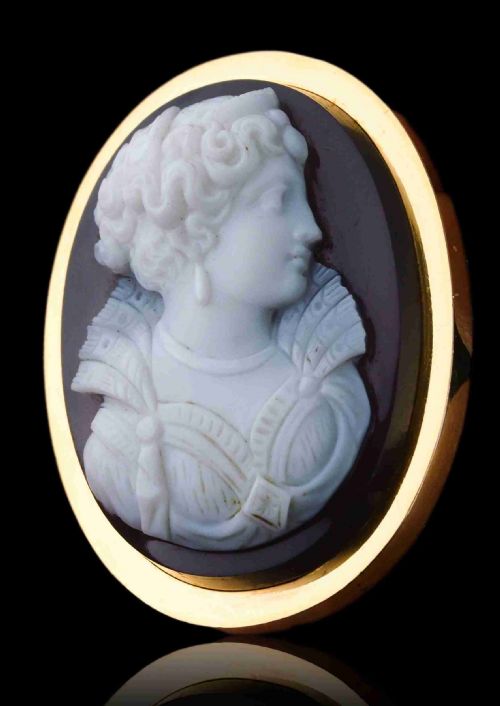
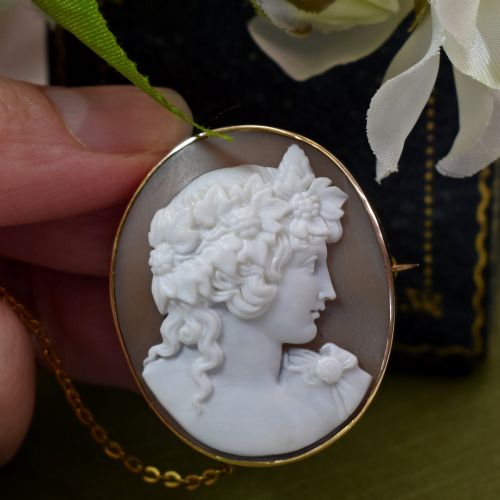
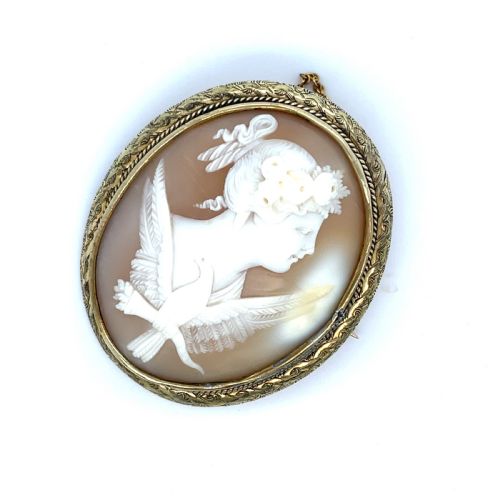
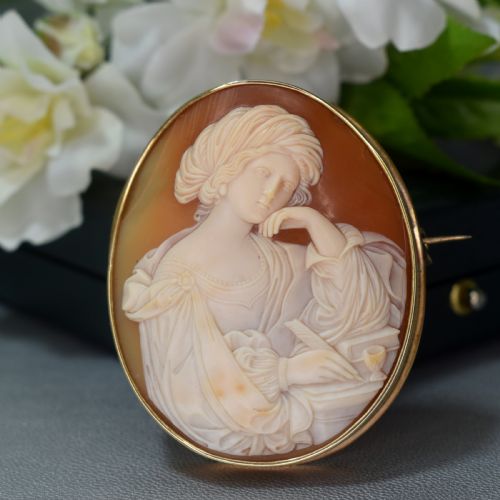
A classical cameo brooch brings miniature sculptural relief to your lapel, capturing mythological figures carved in shell, hardstone or lava.
Classical Cameo Brooch
A classical cameo brooch presents carved profiles and mythological scenes mounted as jewellery, emerging primarily from the Victorian and Georgian eras alongside Edwardian examples. You will most frequently encounter shell and hardstone carvings set in gold or silver, often reflecting the tastes of the Grand Tour in Italy.
The subjects range from deities such as Demeter and Flora to literary and mythological figures like Psyche and Cupid. These pieces function simultaneously as wearable art and miniature portraits of classical antiquity, bridging historical sculpture and personal adornment.
Most examples date through the nineteenth century, spanning from early Georgian pieces to later Victorian interpretations. The mountings vary from simple silver frames to ornate gold structures designed to display the layered carving.
Carving materials and metal mounts
Carvers utilised natural materials with contrasting colour layers, notably multi-layered seashells, banded hardstone, agate and volcanic lava. By cutting away the upper stratum, the artisan left the pale subject raised against a darker background.
The resulting cameos were secured in precious metal settings, utilising 9ct gold, 18ct gold, silver and pinchbeck. Frame construction involved bezel settings and ornate wirework that complemented the miniature relief without obscuring the edges of the carving.
Listings feature shell, hardstone, agate and lava stone carvings mounted in gold and silver across the Victorian, Georgian and Edwardian periods.
Evaluating the carving and the mount
Quality rests upon the depth and precision of the miniature relief, where fine detail in hair, drapery and facial expression distinguishes superior carving from mass production. The natural colouration of the shell or hardstone should be harnessed to create naturalistic shadows and highlights.
The weight and metal purity of the frame further define the piece, as solid 18ct gold or substantial silver mounts indicate higher workshop standards than light pinchbeck alloys. A harmonious balance between the artistry of the carved subject and the craftsmanship of the metal mount separates standard keepsakes from exceptional works.
R. Pernice
The Classical Cameo Brooch Glossary
- Cameo
- A method of carving an object such as a gemstone, banded agate or shell so that a raised relief image stands out from a background of a different colour.
- Hardstone
- A collective term for semi-precious stones such as agate, onyx and jasper used by lapidaries for carving miniature reliefs.
- Grand Tour
- A cultural journey of Europe undertaken by wealthy young men in the eighteenth and nineteenth centuries, from which many brought back Italian carved cameos and lava pieces.
- Pinchbeck
- An alloy of copper and zinc invented in the eighteenth century to imitate gold, often found securing period jewellery mounts.
- Mount
- The metal frame that holds the carved cameo, providing both structural support and a pin mechanism for wearing.
Classical Cameo Brooch: Frequently Asked Questions
How do I wear a classical cameo brooch?
Pin the piece securely to the lapel of a jacket, the collar of a high-necked blouse or the centre of a structured knit. The weight of the metal frame requires a sturdy fabric to keep the subject upright.
Ensure the safety catch on the pin is engaged properly before wearing the jewellery out. This prevents the brooch from rotating or slipping during movement.
What materials are used in these brooches?
Carvers typically used conch shells, banded hardstones, agates or volcanic lava for the central relief. These materials naturally feature contrasting strata that allow the artisan to create a raised white figure against a darker background.
Frames are constructed from yellow gold, silver or base metal alloys like pinchbeck. The choice of mount usually reflects the period and origin of the piece.
How do I identify a Victorian piece?
Examine the style of the carving and the construction of the pin mechanism on the reverse. Victorian examples frequently depict classical deities, mythological scenes or portraits framed in yellow gold or silver.
Look closely at the metal findings and hinge types, which often follow mid-nineteenth-century manufacturing techniques. Hallmarks, where present, can also confirm the date and assay office.
How should I clean my brooch?
Gently dust the carved surface with a soft, dry brush to remove any particles trapped in the relief. Avoid submerging shell or lava cameos in water or using harsh chemical cleaners, as moisture can damage organic materials.
Store the piece in a lined box away from direct sunlight and other jewellery that might scratch the delicate stone or shell surface.