

Mid Century Wooden Chairs
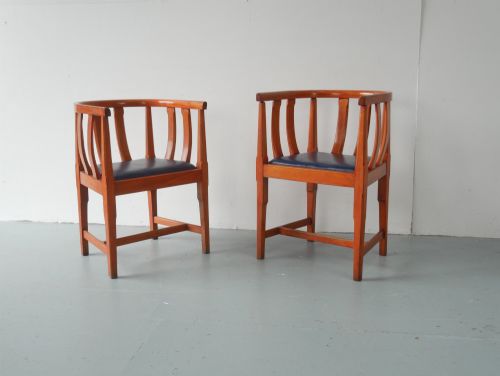
Mid century wooden chairs bring functional warmth and craftsmanship to a room, spanning rustic Windsor designs and refined mahogany dining seats.
Mid Century Wooden Chairs
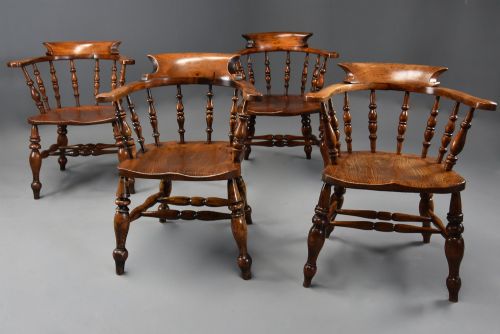
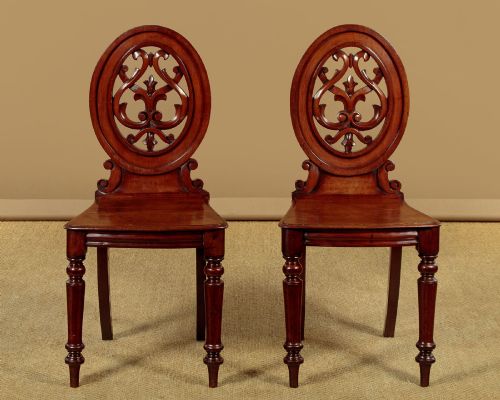
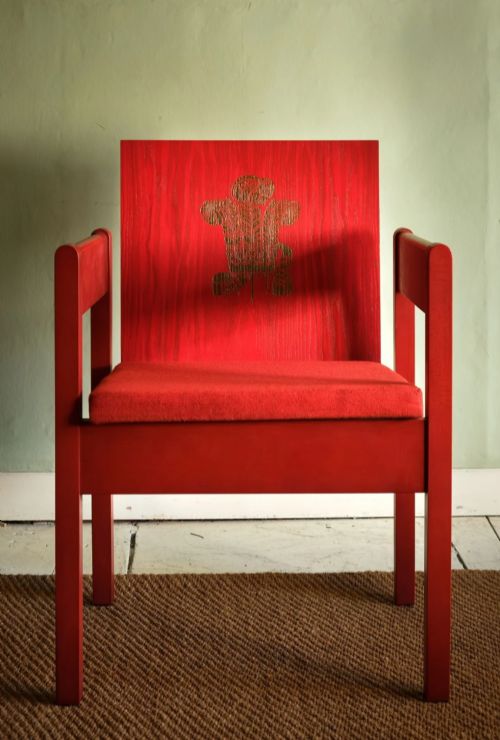
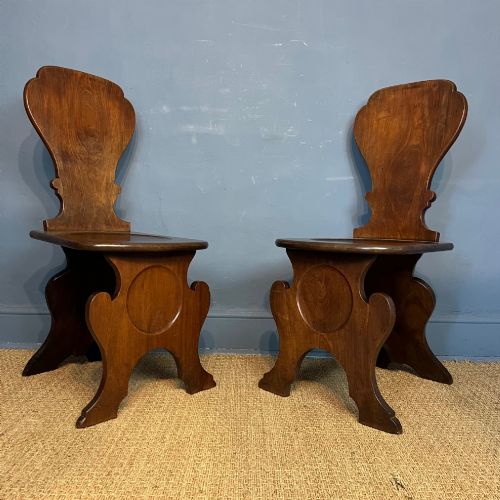
The selection includes dining chairs, smokers bow armchairs, hall chairs, and rocking chairs spanning the seventeenth century through to the twentieth century. While the phrase often brings modern designs to mind, listings reveal a rich variety of earlier vernacular and formal seating sharing a wooden construction.
How they were made
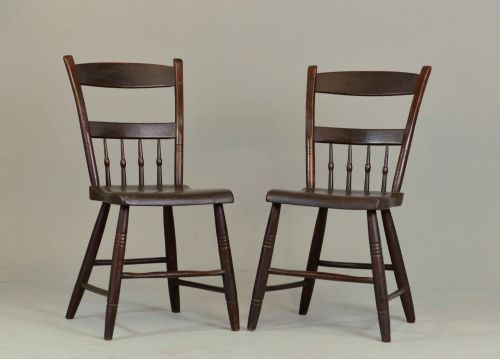
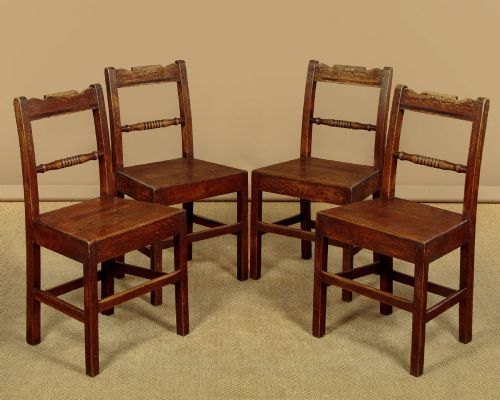
Makers utilised native and imported hardwoods, pairing structural timbers like oak, ash, and elm with decorative veneers such as mahogany, walnut, and rosewood. Windsor and stickback forms often combined bent ash frames with elm seats, relying on traditional jointing methods.
Turned components, carved splats, and steam-bent bentwood shaping defined the construction of chairs from the Victorian period and earlier. Leather and fabric upholstery frequently supplemented solid timber seats in desk chairs and occasional seating.
Mid Century Wooden Chairs Retail Price Guide 2026
Typical asking prices for mid century wooden chairs among the pieces listed under this phrase on Sellingantiques today, from the lower quarter to the upper quarter. They describe what is for sale here now, not the wider market.
Listings feature woods including mahogany, walnut, oak, ash, elm, beech, yew, and ebony across various centuries.
What varies in quality
Quality rests in the selection of timber, the crispness of carved details like pierced splats, and the preservation of original surface patination. Higher grade examples display careful grain matching and sturdy joinery that withstands centuries of use.
Simpler vernacular pieces rely on honest proportions and robust construction, whereas formal dining sets depend on uniformity across multiple chairs. Alterations or replacement components diminish the integrity of an antique wooden chair.
The Mid Century Wooden Chairs Glossary
- Windsor chair
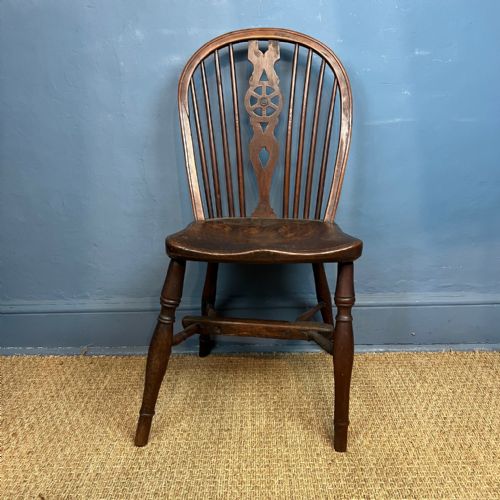
- A chair built with a solid wooden seat into which the legs and back spindles are wedged directly. These country pieces often combine ash, elm, and yew.
- Balloon back
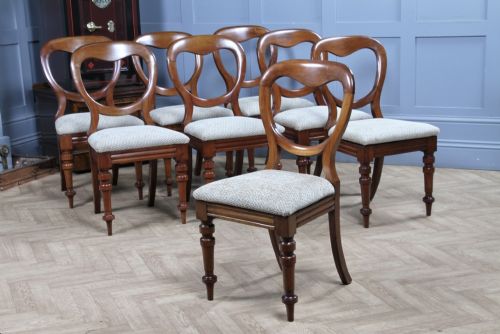
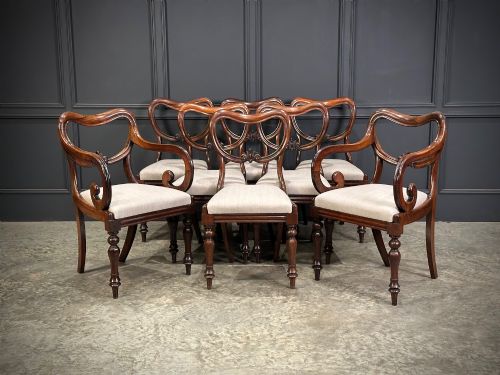
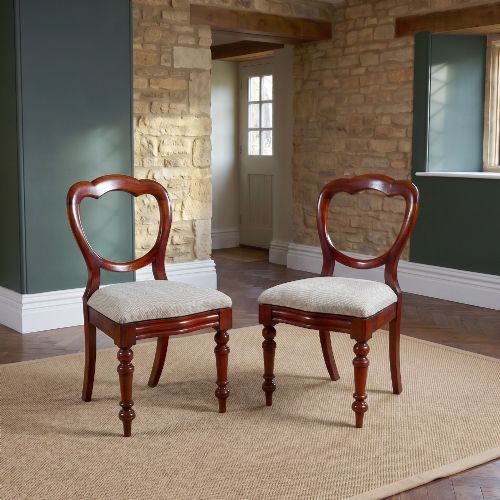
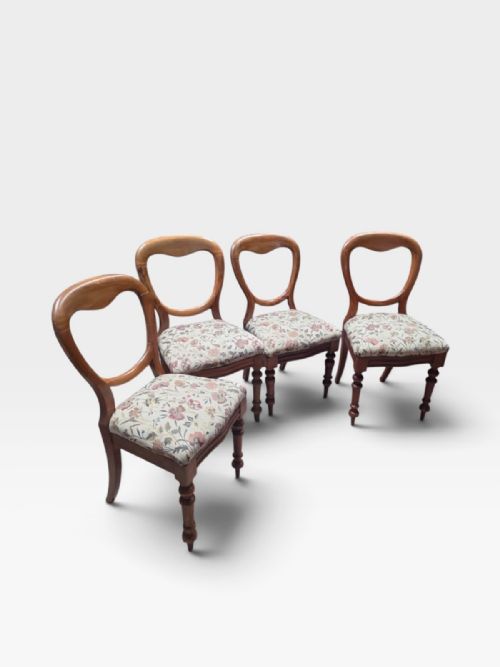
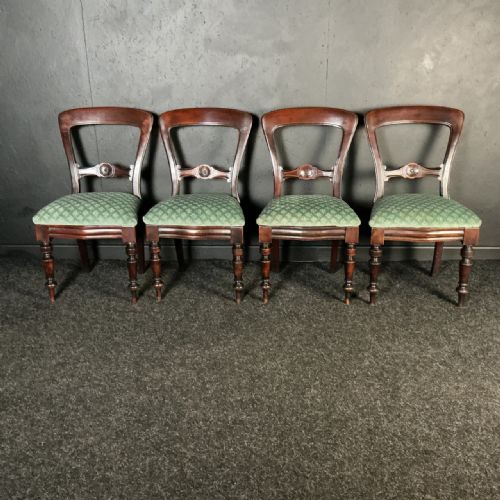
- A rounded, oval-shaped chair back popular during the Victorian period. This profile appears frequently on mahogany and walnut dining chairs.
- Smoker's bow
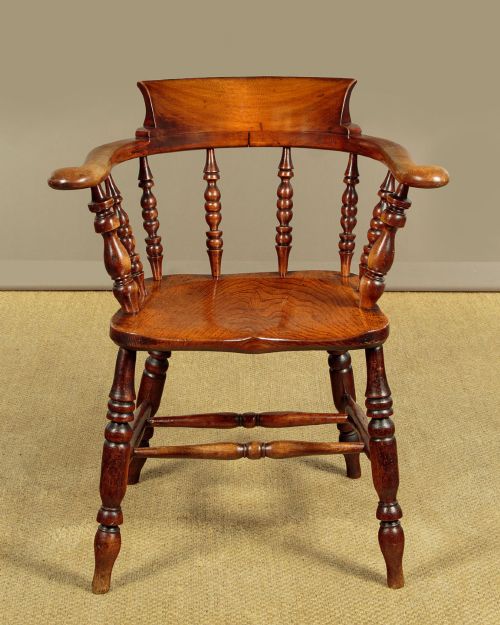
- A low-backed Windsor armchair featuring a rounded arm rail supported by turned spindles. They were commonly used in domestic kitchens and public houses.
- Wainscot armchair
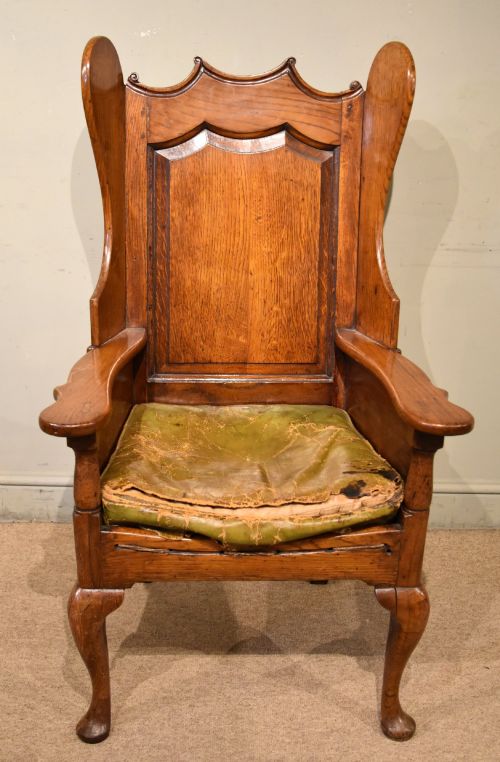
- An early heavy wooden chair constructed largely from solid oak with panelled backs. They date primarily to the seventeenth century.
- Pierced splat
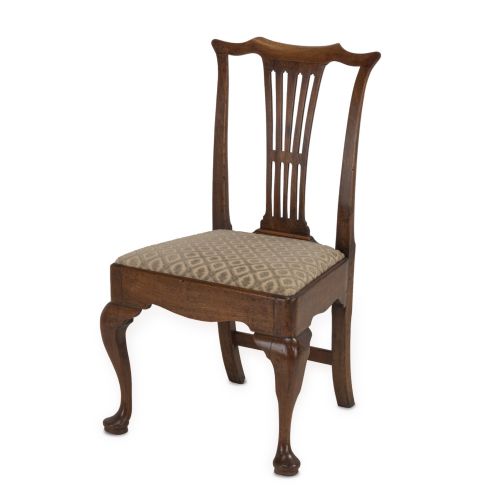
- A vertical wooden strip in the centre of a chair back pierced with decorative cut-outs. This technique is typical of eighteenth-century Georgian seating.
Mid Century Wooden Chairs: Frequently Asked Questions
How do I identify a Windsor chair?
Windsor chairs feature distinct construction where legs and back spindles insert directly into a thick sculpted wooden seat rather than a traditional frame. They often employ mixed timbers such as ash and elm.
Look for stickback or comb back designs, which indicate traditional country craftsmanship originating across British rural workshops.
Are these chairs suitable for daily dining?
Solid wooden chairs from various periods are built for practical everyday domestic use. Robust timber frames and sturdy joinery ensure they handle regular seating demands well.
Maintenance involves checking leg joints periodically and treating timber surfaces with appropriate wax to preserve the natural wood finish.
How can I date an antique wooden chair?
Dating relies on observing structural forms, wood species, and joining techniques characteristic of specific eras. Seventeenth-century pieces show heavy oak panel construction, while Victorian examples often feature balloon backs.
Examining tool marks, wear patterns, and timber shrinkage helps confirm the period of manufacture.