


Mid Century Walnut Cabinet
A mid century walnut cabinet brings rich grain and practical storage to a room, appearing in forms from clean Art Deco designs to compact desks.
Mid Century Walnut Cabinet
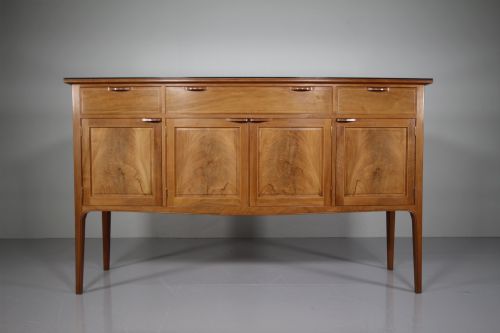
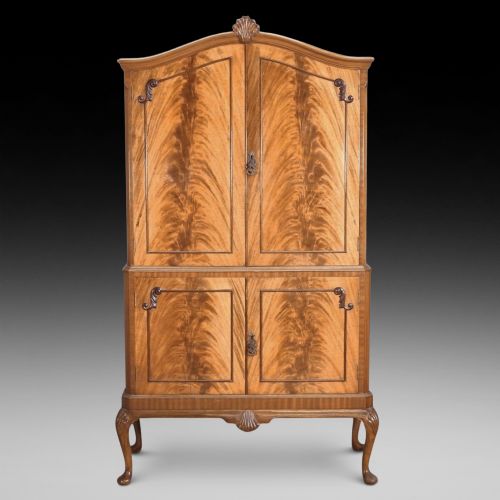
A mid century walnut cabinet encompasses pieces produced around the nineteen-thirties alongside items described through mid-period designations in the trade, pairing warm timber with functional compartments. Buyers searching for a mid century walnut cabinet encounter streamlined Art Deco styles, console tables, bedside chests, and drinks cabinets.
The selection frequently includes pieces attributed to known makers of the nineteen-thirties such as Edward Barnsley and Arthur Reynolds, sitting alongside earlier Victorian and Georgian forms that share similar proportions.
The primary woods span standard walnut, burr walnut, and figured varieties, often selected for their distinct grain patterns rather than heavy ornamentation.
Construction and materials
Cabinet makers utilised solid walnut and decorative veneers like burr walnut over secondary timbers, applying French polish to enhance the natural figuration of the grain. Brass handles, hinges, and occasional ormolu mounts provide functional contrast to the dark timber surfaces.
Joinery methods range from dovetailed drawer construction in nineteen-thirties pieces to traditional framing seen in older examples, ensuring structural stability across credenzas, desks, and cabinets.
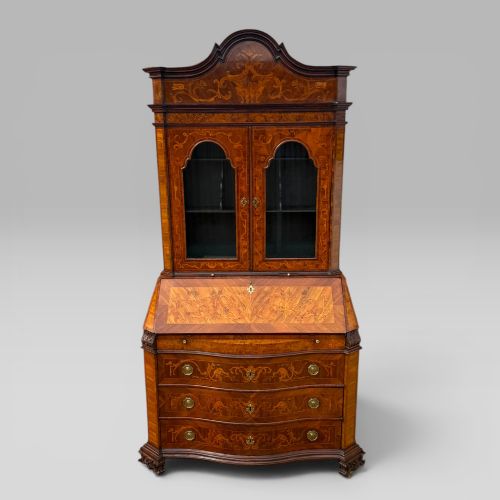
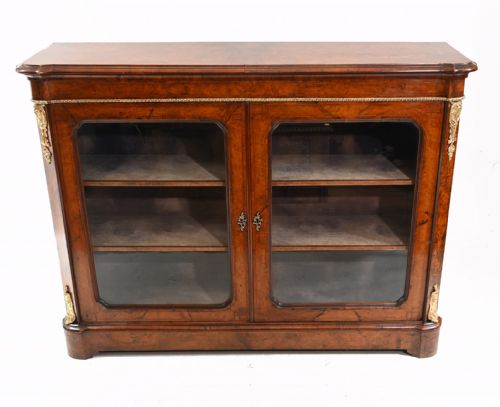
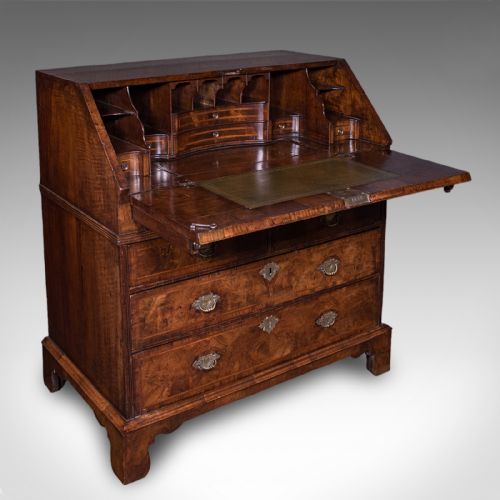
Listings combine nineteen-thirties Art Deco designs with nineteenth-century Victorian walnut credenzas and eighteenth-century bureau bookcases.
Assessing quality and craftsmanship
Quality rests upon the selection and matching of the walnut veneer, where symmetrical figuring across drawer fronts and doors denotes superior workshop output. The crispness of carved details, the weight of brass fittings, and the smoothness of internal drawers separate standard utility furniture from exceptional commissions.
Maker attribution, such as legible stamps or documented provenance from firms like those operating in the nineteen-thirties, elevates the standing of a piece considerably.
Edward Barnsley·Druce And Co·Arthur Reynolds
The Mid Century Walnut Cabinet Glossary
- Burr walnut
- A timber harvested from the tree's growth growths, showing complex, swirling grain patterns highly prized for cabinet veneers. It creates decorative surfaces on doors and drawer fronts.
- Credenza
- A low cabinet or sideboard, frequently fitted with glass doors or open shelving for display. Nineteenth-century examples often incorporate inlaid marquetry and marble tops.
- Ormolu
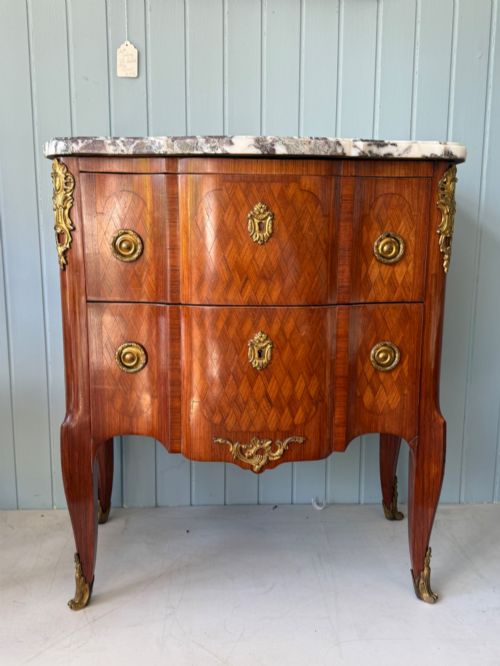
- Gilded bronze applied as decorative mounts on furniture corners, feet, and friezes. It adds metallic contrast to dark walnut surfaces.
- Marquetry
- The art of applying pieces of veneer to a structure to form decorative patterns and pictures. It appears on eighteenth-century and revival pieces.
- Canterbury
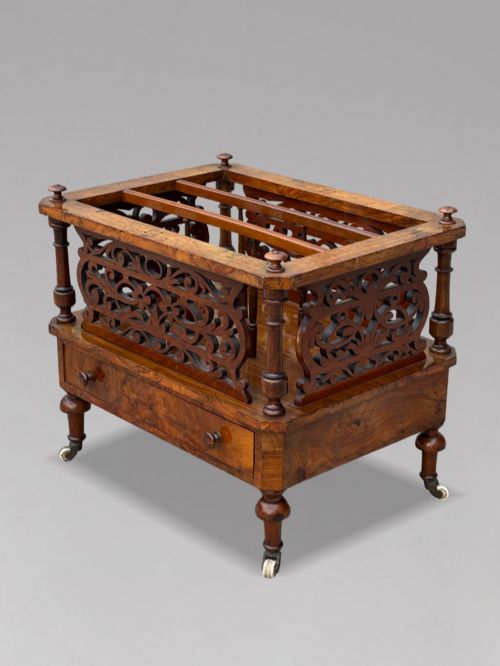
- A low stand fitted with partitions for holding sheet music, folios, or books. They are typically raised on short legs with castors.
Mid Century Walnut Cabinet: Frequently Asked Questions
What defines a mid century walnut cabinet?
These pieces originate from the nineteen-thirties and feature streamlined silhouettes, minimal ornamentation, and figured walnut veneers. They serve as drinks cabinets, bedside chests, and compact desks.
The timber selection focuses on clean lines and natural grain rather than heavy Victorian carving, fitting modern interior spaces with practical storage.
How do I care for walnut furniture?
Maintain walnut surfaces by keeping them away from direct sunlight and excessive heat sources, which can dry out the timber and veneer. Regular dusting with a soft cloth preserves the polish.
Apply occasional specialist wax polish to nourish the wood and protect the finish without building up greasy residues.
Where were these cabinets used?
Nineteen-thirties cabinets functioned primarily in living rooms, bedrooms, and studies as cocktail storage, bedside tables, or writing desks. Their compact dimensions suited urban homes.
They offer enclosed storage behind doors alongside open display surfaces, adapting easily to contemporary living areas.
How can I distinguish period styles?
Nineteen-thirties pieces display geometric simplicity, clean edges, and minimalist handles typical of Art Deco design. In contrast, nineteenth-century examples often feature elaborate carving and ormolu mounts.
Examining the internal construction, drawer linings, and veneer thickness helps confirm the manufacturing era of each cabinet.