






Mid Century Vases
These mid century vases range from mid-century modern glass and art pottery to nineteenth-century opaline and delftware.
Mid Century Vases
When you search for mid century vases, you encounter a selection spanning mid-century modern glass, art pottery, and nineteenth-century decorative wares. The inventory includes twentieth-century glassworks alongside nineteenth-century opaline glass and delftware.
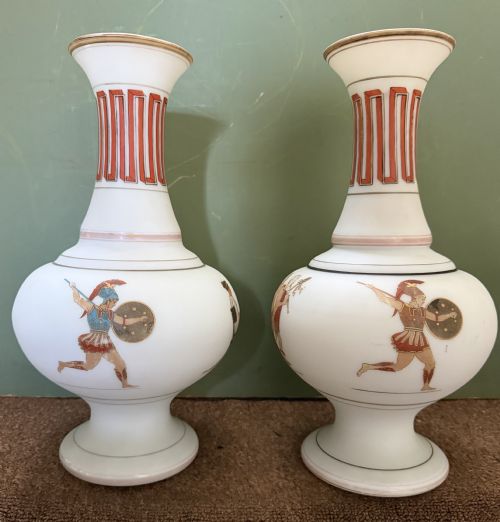
The twentieth-century examples on this page bring together Italian glass from Murano, French opalescent glassware, and art pottery with drip glazes. Alongside these stand nineteenth-century pairs decorated with figural vignettes or classical scenes.
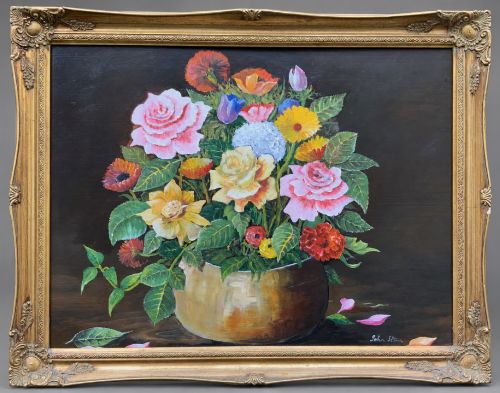
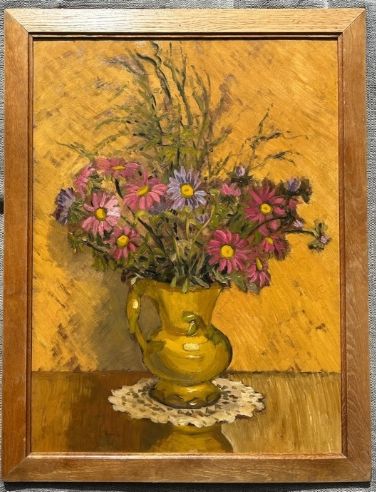
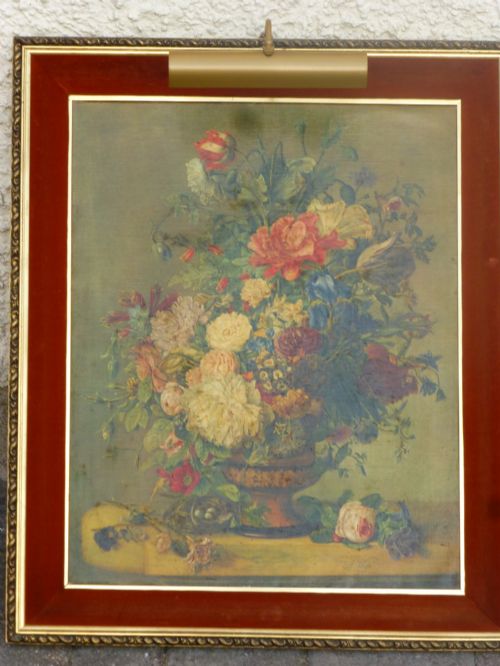
Mid-century modern forms dominate the twentieth-century selection, accompanied by oil paintings depicting floral still lifes in vases. The historical pieces bridge nineteenth-century craftsmanship and twentieth-century modernist production.
How they were made
Glass vessels utilise techniques such as opalescence, handkerchief shaping, and a ritorti cane work. Makers shaped soda glass and hyalite glass into cylinders and decorative vessels.
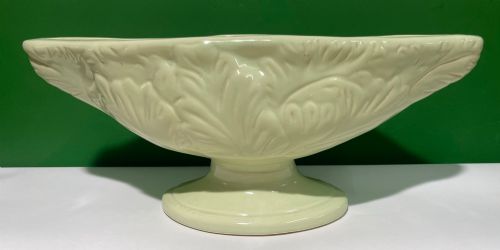
Ceramic pieces involve earthenware, art pottery with drip glazes, and tin-glazed pottery painted in palettes that include the Imari style. Manufacturers applied enamel and gilt decorations over ceramic bodies.
Mid Century Vases Retail Price Guide 2026
Typical asking prices for mid century vases among the pieces listed under this phrase on Sellingantiques today, from the lower quarter to the upper quarter. They describe what is for sale here now, not the wider market.
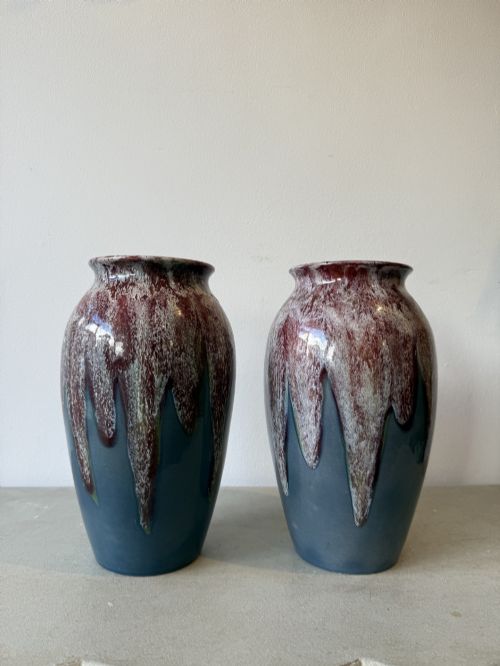
Art pottery examples feature drip glazes alongside mid-century still life paintings of flowers in vases.
What varies in quality
The standard of a glass vase rests on the precision of its form, the depth of its opalescence, and the control shown in complex techniques like a ritorti cane application. Attributions to named designers or renowned glassworks elevate the standing of a piece.
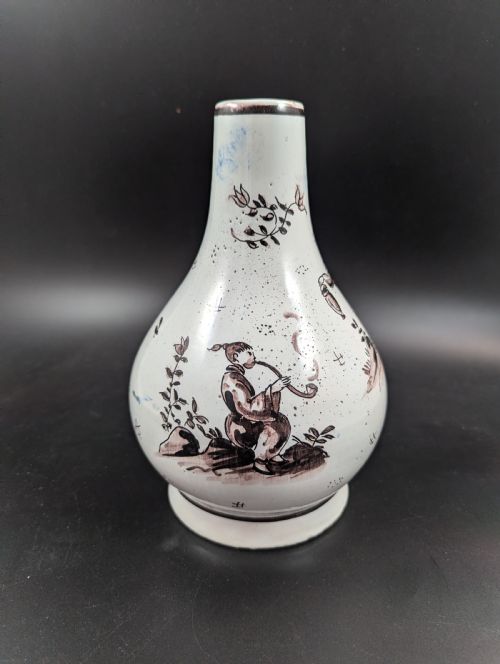
In ceramics and art pottery, quality reveals itself through the crispness of painted figural vignettes, the richness of enamel and gilt work, and the execution of the glaze. Pairs that remain together with matching decoration command greater interest.
Fulvio Bianconi for Venini·Benedetto Boschetti·Paul Heller for Booms glass·Stuart Armfield·Tschacbasov
The Mid Century Vases Glossary
- Opaline glass
- A type of semi-opaque glass popular in the nineteenth century, often tinted in pastel shades and finished with painted vignettes or gilding.
- Art pottery
- Ceramic ware produced by independent potters or studios focusing on artistic form and experimental glazes rather than mass-market utility.
- Murano glass
- Glassware manufactured on the Venetian island of Murano, known for inventive techniques and mid-century modern design shapes.
- Delftware
- Tin-glazed earthenware, traditionally featuring white backgrounds with blue or polychrome painted decoration.
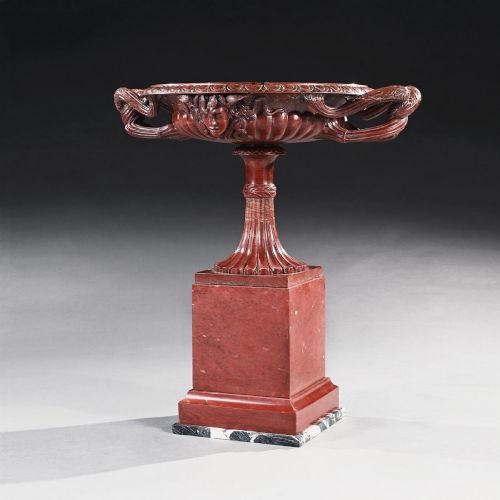
- Tazza
- An Italian term for a shallow saucer-like ornamental vessel elevated on a stem and foot.
Mid Century Vases: Frequently Asked Questions
What defines mid-century glass design?
Mid-century glass relies on bold forms, experimental colours, and specialised techniques developed by studio glassmakers and factories.
Italian workshops in particular pushed boundaries with asymmetric shapes and layered glass methods.
How do I care for antique glass vases?
Wash glass vessels by hand using lukewarm water and mild soap, avoiding sudden temperature changes that can cause cracking.
Display them away from direct sunlight to preserve any painted decoration or gilding.
What is art pottery?
Art pottery refers to ceramic pieces created for their aesthetic value rather than daily domestic use.
These pieces often showcase distinctive drip glazes and unique studio signatures from the nineteenth and twentieth centuries.
Are nineteenth-century vases different from mid-century ones?
Nineteenth-century vases tend to feature classical revival styles, painted figural vignettes, and intricate opaline or delft finishes.
Mid-century examples lean towards modernist silhouettes, clean lines, and experimental glass techniques.