
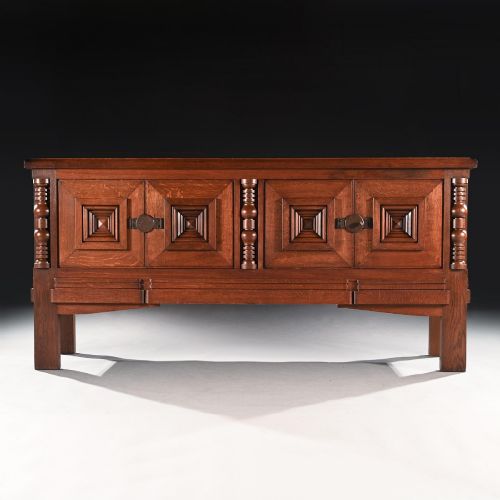
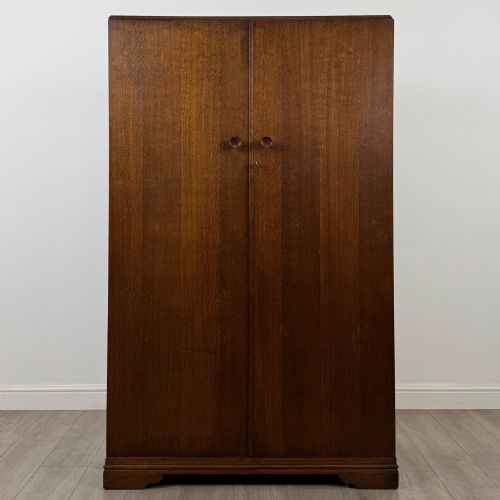
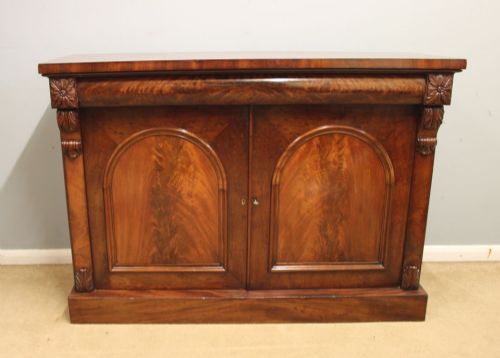
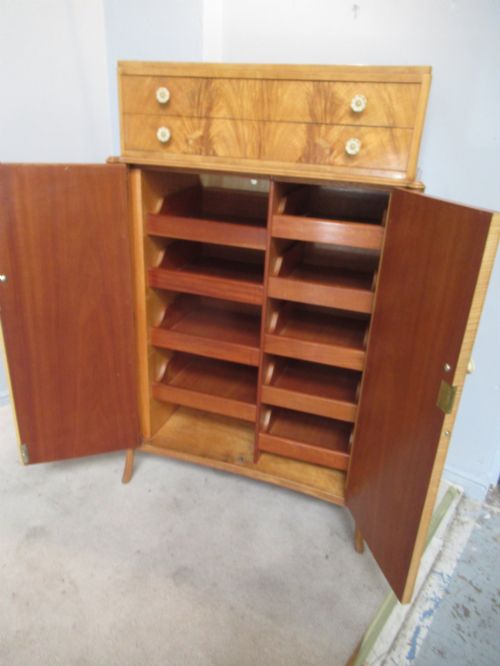
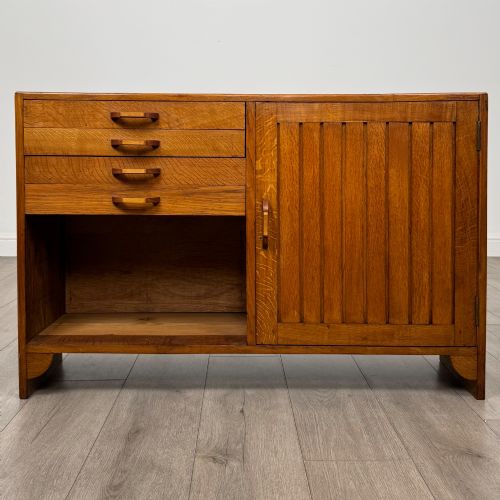
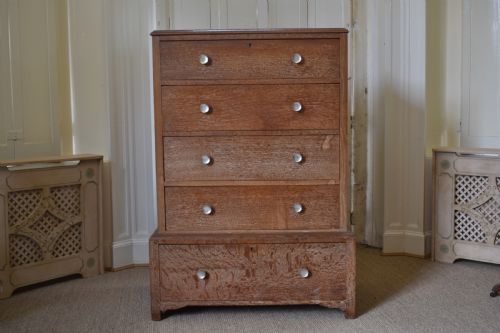
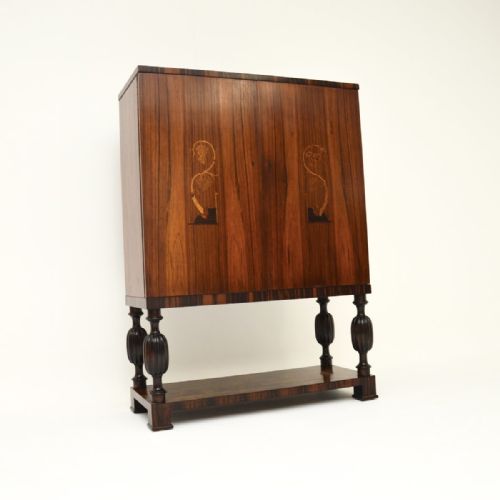
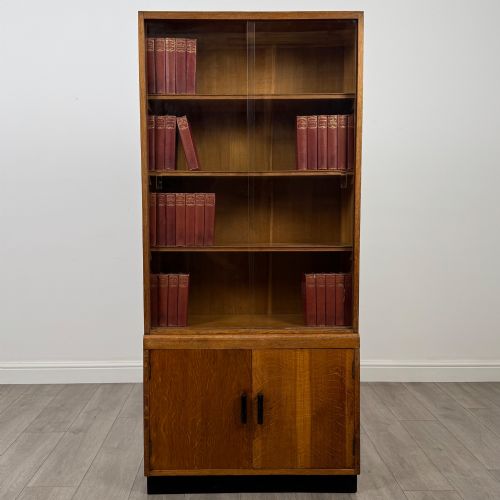
Mid Century Storage Cabinet
These mid century storage cabinet pieces bring functional utility and period character to a room, offering practical organisation through timeless forms.
Mid Century Storage Cabinet
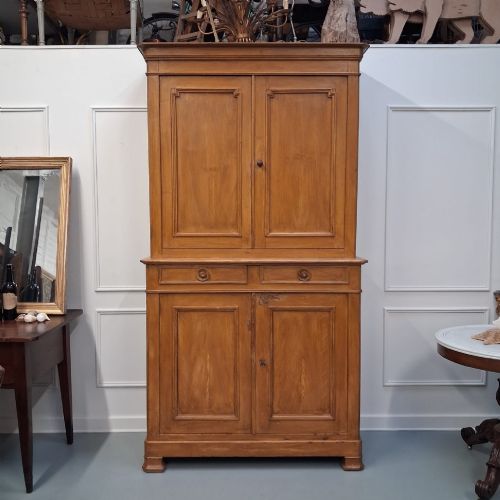
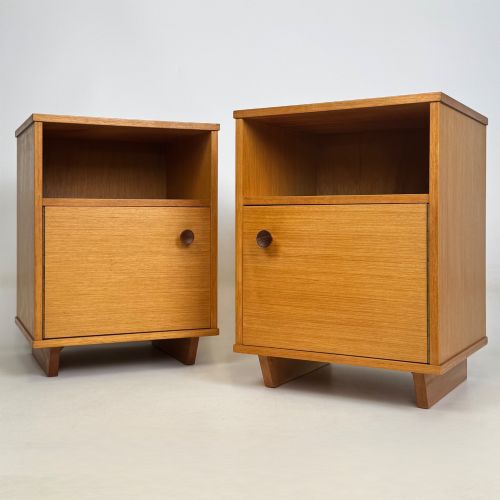
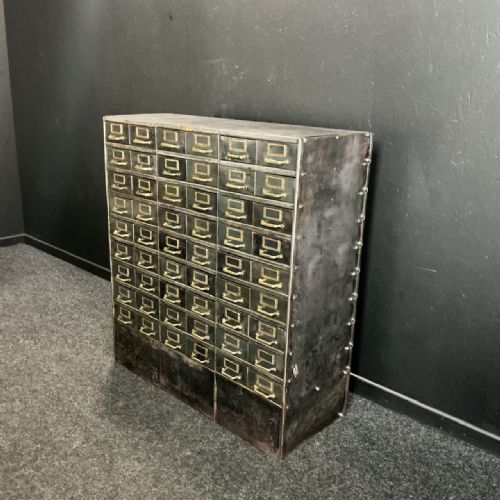
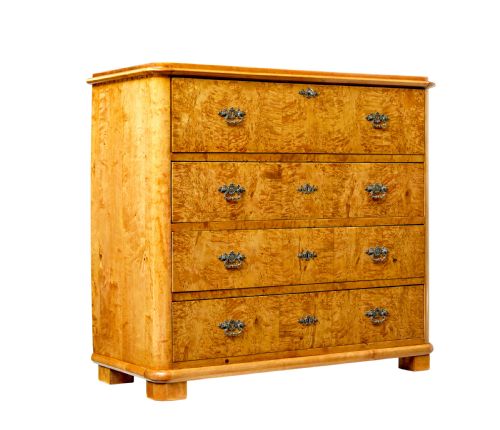
When you search for a mid century storage cabinet, you encounter a diverse range of furniture designed to house belongings while anchoring a room's aesthetic. The pieces span multiple decades and regions, reflecting utilitarian needs from filing documents to storing domestic linens.
Materials and construction
Joinery relies on solid timbers such as oak, mahogany, and birch, often enhanced by decorative veneers like burr walnut and rosewood. Metal and steel appear in industrial filing sections and storage chests.
Surface finishes include polished natural wood grains, painted pine surfaces, and marble tops, demonstrating a blend of traditional cabinet-making and functional utilitarian design.
Among the storage options hides a brass bound Guinness bottle storage barrel from the Edwardian era.
Quality and execution
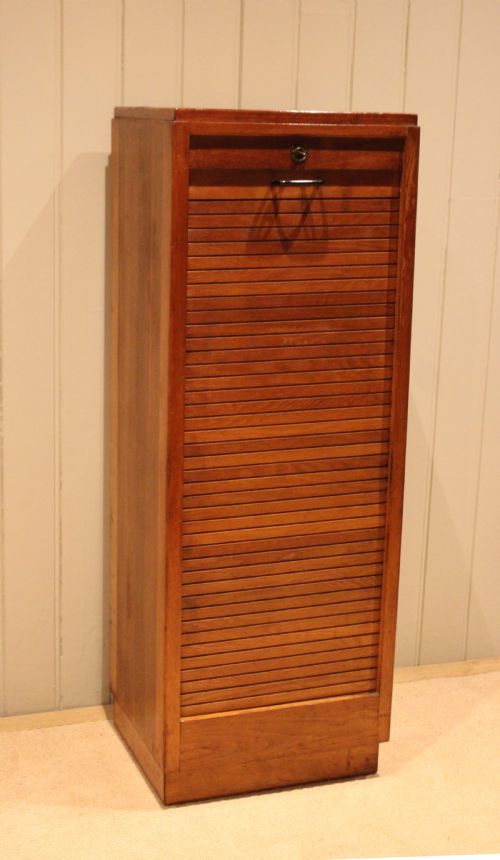
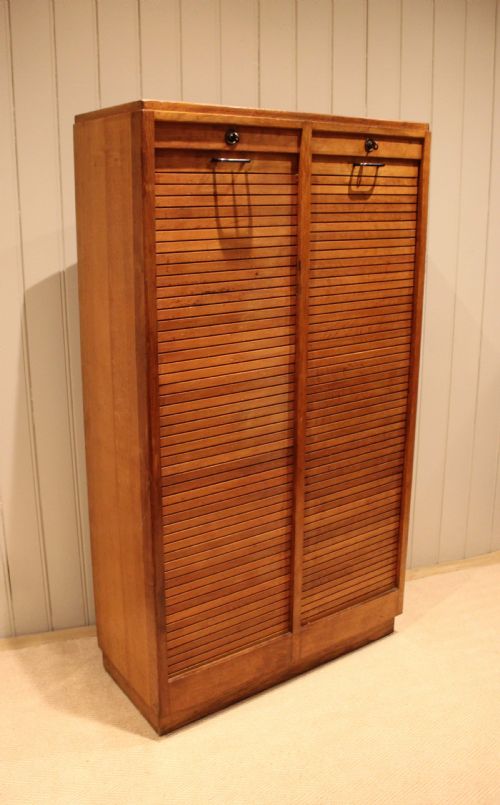
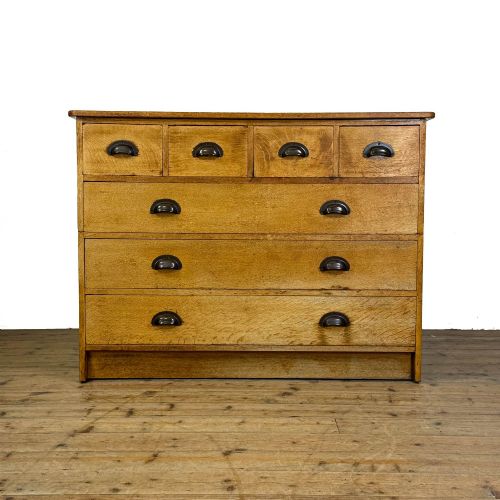
The distinction between tiers of pieces lies in the selection of timber, the precision of drawer construction, and the integrity of original hardware like brass handles. Superior examples maintain intact internal fittings and smooth sliding mechanisms, such as working tambour doors.
The refinement of surface finishes - whether polished mahogany or original painted pine - defines the overall calibre of the construction, alongside the fidelity of period details and structural soundness.
Charles Dudouyt·Oscar Nilsson Nordiska Kompaniet·Phoenix Gallery
The Mid Century Storage Cabinet Glossary
- Tambour
- A flexible door constructed from narrow wooden strips glued to canvas, allowing it to slide smoothly around a curve.
- Compactum
- A large, fitted wardrobe or multisectional storage unit designed to hold various types of clothing efficiently.
- Credenza
- A low sideboard or cabinet, frequently featuring marble tops and multiple doors for living or dining room use.
- Tallboy
- A tall chest of drawers, often configured as a chest on chest to maximise vertical storage space.
- Secretaire
- A desk or cabinet incorporating a fold-down writing flap that conceals a set of small interior drawers and pigeonholes.
Mid Century Storage Cabinet: Frequently Asked Questions
What defines a mid century storage cabinet?
These cabinets encompass functional furniture pieces designed primarily for holding household items, documents, or clothing during the mid-twentieth century and adjacent periods. They utilise materials like oak, teak, and steel to combine everyday utility with clean aesthetic lines.
Buyers often select them to introduce practical storage solutions that complement both modern and traditional interiors without overwhelming a room's spatial balance.
How were these cabinets originally used?
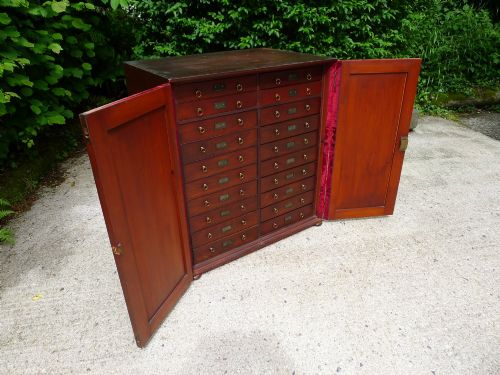
Original applications ranged from office filing and domestic linen storage to sideboard service in dining spaces and general bedroom organisation. Many variants were built for specific tasks, such as housing records or botanical collections.
Understanding the original context helps determine the most suitable modern setting, whether as an office credenza or a living room display unit.
Where should I place a cabinet at home?
These versatile pieces suit studies, hallways, and living rooms where surface space and concealed storage are equally valuable. Low sideboards and credenzas function well beneath artwork or alongside seating areas.
Tall cabinets and filing units maximise vertical space in smaller rooms, keeping clutter contained while maintaining an orderly appearance.
How do I identify different periods of cabinets?
Period identification relies on observing the primary woods, construction techniques, and hardware styles associated with specific decades. Mid-century items often feature teak, birch, or clean oak forms, while older Victorian and Edwardian examples lean towards heavy mahogany or walnut.
Examining the interior construction, drawer dovetailing, and back panels provides further clues regarding the manufacturing date and origin.