



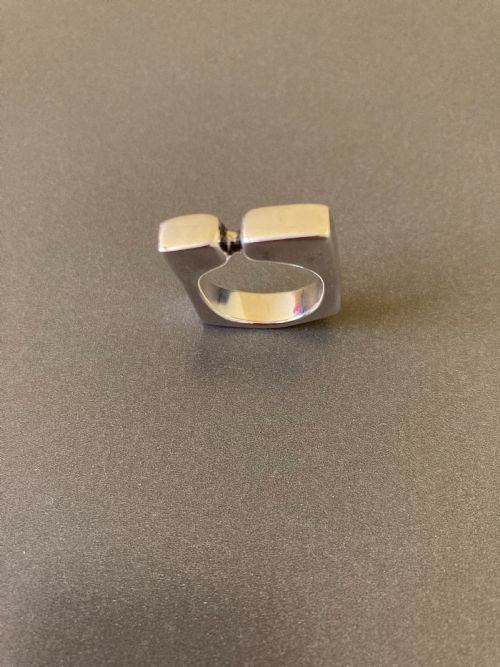
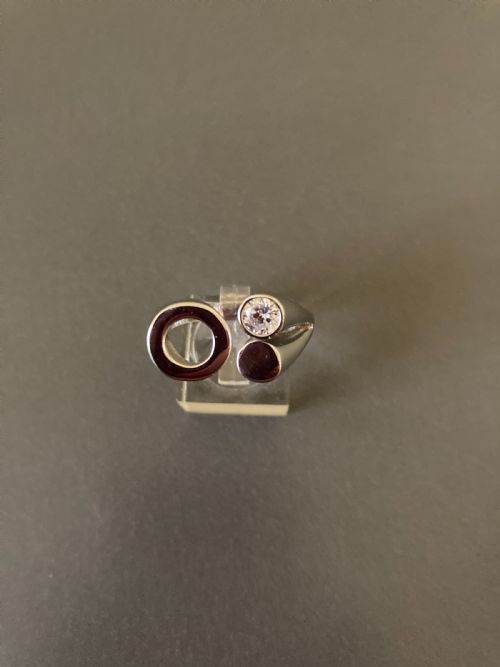


Mid Century Statement Ring
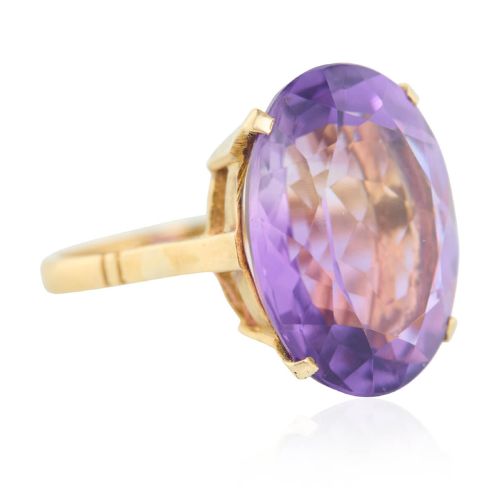
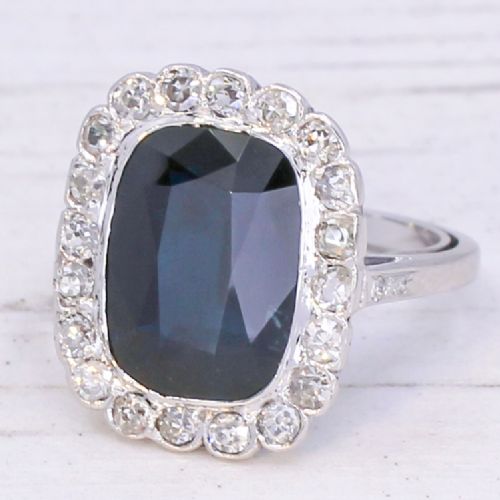
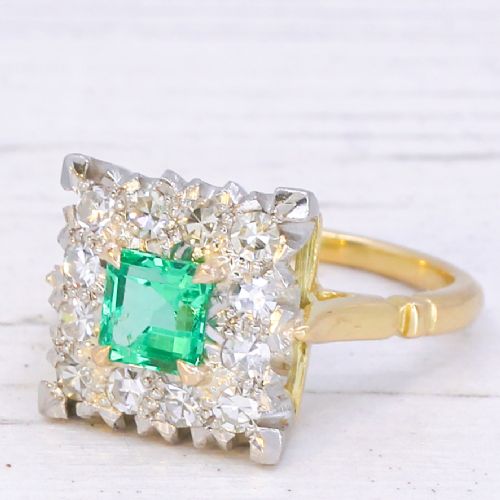
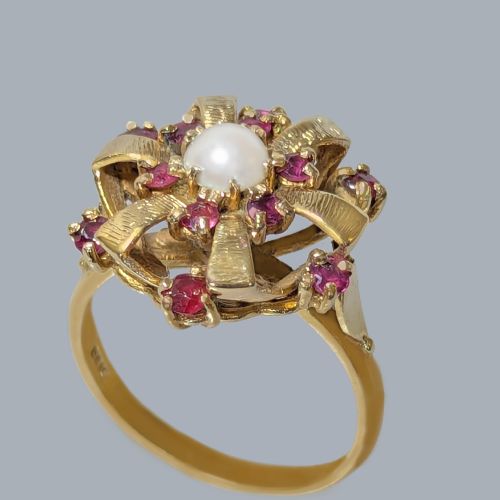
A mid century statement ring commands attention through bold proportions, architectural silhouettes and striking central gemstones.
Mid Century Statement Ring
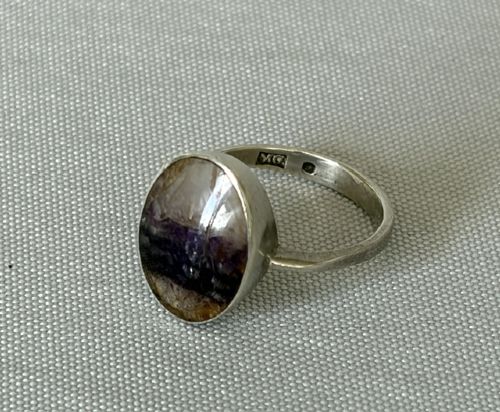
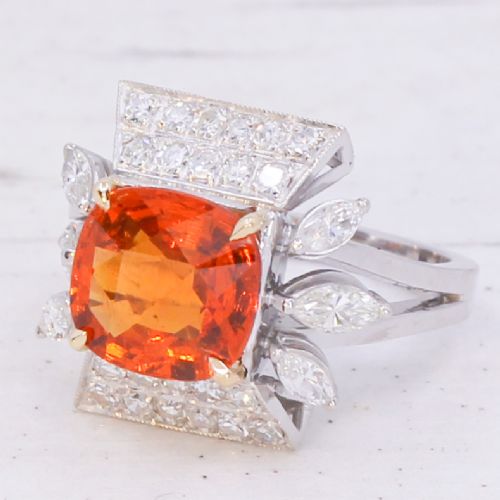
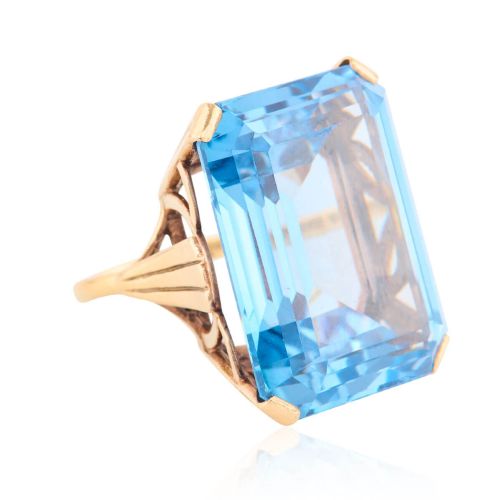
A mid century statement ring represents an era of bold experimentation in jewellery design, spanning the 1950s and 1960s with robust architectural forms. These pieces often feature oversized central stones or intricate cluster arrangements designed to catch the eye immediately upon the hand.
Buyers browsing this selection frequently encounter cocktail rings and dress rings set with substantial gemstones such as aquamarine, sapphire, amethyst and diamond. The aesthetic moves away from delicate Edwardian traditions toward expressive modernism and sculptural presence.
Origins span British, Scandinavian and Italian workshops, bringing distinct regional interpretations to the category. Danish silver designs offer clean modernist lines, whilst Italian and British pieces lean into opulent gold scrollwork and dramatic stone pairings.
Materials and construction methods
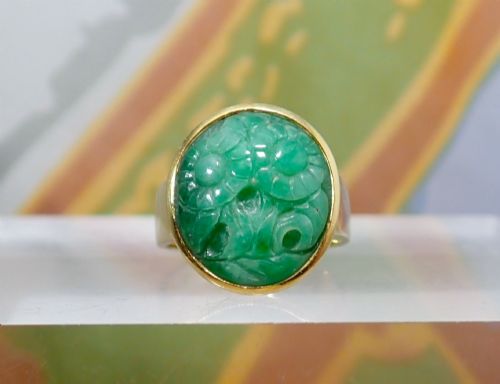
Yellow gold, white gold and platinum provide the structural foundation for these substantial mountings, frequently paired with silver in specific regional designs. Gemstones including emerald, ruby, turquoise, garnet and jadeite are secured in heavy bezels, prongs or open-work lattices.
Goldsmiths utilised casting and hand-fabrication techniques to achieve sweeping scroll panels, bombé profiles and layered cluster settings. The integration of enamel alongside precious stones demonstrates a high degree of technical mastery in mid-century workshops.
Assessing quality in mid century statement pieces
Quality rests in the harmony between the scale of the central gemstone and the architectural integrity of the metalwork. Superior examples display secure stone settings that complement the overall weight of the design without appearing top-heavy.
The choice of materials and the crispness of detailing distinguish finer workshops. Distinctive maker attribution, exceptional stone clarity and substantial gold weight elevate an individual ring above standard production pieces.
Randers Silver·Kutchinsky
The Mid Century Statement Ring Glossary
- Cocktail Ring
- A large, showy ring designed to be worn at social gatherings. These pieces typically feature prominent central stones surrounded by smaller diamonds or decorative metalwork.
- Bombé Ring
- A ring style characterised by a domed, rounded profile that swells outward from the finger. This rounded volume accommodates dense clusters of pavé-set stones or heavy gold texturing.
- Ballerina Ring
- A cluster ring design where narrow, tapered baguette diamonds encircle a central oval or pear-cut stone, resembling the tutu of a ballerina. This technique maximises visual spread and brilliance.
- Modernist
- A design style emerging in the mid-twentieth century that prioritises abstract forms, asymmetry and clean geometric lines over traditional floral motifs.
Mid Century Statement Ring: Frequently Asked Questions
What defines a mid century statement ring?
These rings are defined by their generous proportions, heavy gold or platinum mountings, and use of large central gemstones. The design vocabulary draws on 1950s and 1960s modernist aesthetics.
They break away from historical revival styles to embrace architectural shapes, open-work lattice panels, and sculptural curves that dominate the hand.
How should I wear a large cocktail ring?
A cocktail ring is traditionally worn on the right hand to draw attention during social events. Because of their substantial size and elevated settings, they suit special occasions rather than heavy daily wear.
Pair them with simple clothing to let the architectural goldwork and large coloured gemstones remain the focal point of your attire.
How do I care for soft stones in vintage rings?
Stones such as turquoise, coral and opal require gentle handling because they possess lower hardness ratings than diamonds or sapphires. Avoid ultrasonic cleaners and harsh chemical dips, which can damage the organic material.
Clean them instead with a soft, damp cloth and store them individually to prevent scratching from harder neighbouring pieces.
How can I tell a 1950s ring from a 1960s ring?
Fifties designs often lean toward curvaceous scroll panels, heavy yellow gold, and classic cocktail silhouettes. Sixties pieces frequently introduce cooler white metals, geometric lattices, and distinct Scandinavian modernist minimalism.
Examining hallmark dates alongside the structural motifs helps clarify the exact decade of manufacture.