



Mid Century French Jewellery
Mid century french jewellery brings together platinum, 18ct gold, and precious stones to create pieces defined by mid-century design.
Mid Century French Jewellery
Mid century french jewellery encompasses pieces originating from the 1940s, 1950s, and 1960s alongside earlier 19th century items found within this selection. Buyers exploring mid century french jewellery encounter rings, bracelets, and brooches that reflect distinct stylistic periods.
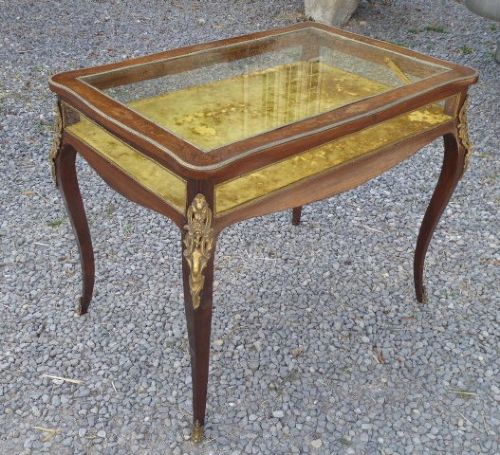
The objects span high jewellery creations from the 1950s, novelty items from the 1960s, and retro pieces from the 1940s. Alongside wearable items, related pieces such as marquetry bijouterie and display tables appear in the broader selection.
Rings and bracelets dominate the wearable selection, often incorporating central gemstones flanked by diamonds. Brooches offer alternative floral and novelty forms from the mid-century decades.
How they were made
Makers utilised precious metals including platinum, 18ct yellow gold, 18ct white gold, and silver to form the structure of these items. Stones were then set into these metal mounts using period techniques suited to the design.
Gemstones such as diamonds, sapphires, aquamarines, and synthetic rubies provide the primary ornamentation across rings and bracelets. In non-wearable pieces, materials like kingwood and ormolu demonstrate traditional cabinetmaking and metal ornamentation.
Mid Century French Jewellery Retail Price Guide 2026
Typical asking prices for mid century french jewellery among the pieces listed under this phrase on Sellingantiques today, from the lower quarter to the upper quarter. They describe what is for sale here now, not the wider market.
A golden duckling brooch waddles out of the 1960s to remind everyone that mid-century designers did not take themselves too seriously.
What varies in quality
Quality differences emerge in the selection and scale of the gemstones, from substantial diamond and sapphire carat weights to smaller accent stones. The complexity of the metalwork, whether intricate platinum settings or detailed gold casting, separates standard production from finer examples.
The presence of maker attribution, such as signed pieces by known houses like Boucheron, distinguishes specific works within the category. Materials also range widely, from precious platinum and gold down to alternative beads and glass.
Boucheron
The Mid Century French Jewellery Glossary
- Platinum
- A dense, durable precious metal frequently utilised in mid-century settings to secure diamonds securely. Its strength allows for delicate prongs and intricate wirework without sacrificing stability.
- Bijouterie
- A small cabinet or vitrine designed specifically for displaying jewellery and small decorative objects. These often feature glass panels and marquetry wood veneers.
- Ormolu
- Gilt bronze ornamentation applied to furniture and decorative objects during various French periods. It provides a bright golden contrast against darker timbers like kingwood.
- Retro
- A design period spanning the 1940s characterised by bold, sculptural gold work and large-scale gemstones. It bridges traditional antique styles and later mid-century modern aesthetics.
Mid Century French Jewellery: Frequently Asked Questions
What defines mid century french jewellery?
These pieces originate primarily from the 1940s through the 1960s, showcasing the distinct design sensibilities of French ateliers from those decades. They combine precious metals with diamonds and coloured stones.
The selection includes cocktail rings, diamond bracelets, and novelty brooches that reflect both high fashion and playful motifs of the mid-century era.
How do I wear a vintage cocktail ring?
Cocktail rings from the mid-century period feature prominent central stones and sculptural metalwork designed to catch the eye. They work best as standalone statement pieces on the hand.
Because these rings often incorporate high-carat diamonds, sapphires, or aquamarines in raised settings, pairing them with minimal additional hand jewellery lets the piece stand out.
Are these pieces marked with hallmarks?
Many items originating from France carry traditional assay marks or import marks stamped into the metal mount. These marks indicate the purity of the gold or platinum.
Certain pieces also bear maker signatures or serial numbers inscribed directly into the precious metal, helping to identify the workshop of origin.
How do I care for antique gemstone jewellery?
Precious stones and precious metal settings require gentle cleaning using soft cloths and mild soapy water to remove everyday oils and dust. Avoid harsh chemical dips that might damage softer stones or organic materials.
Store each item separately in a lined box to prevent diamonds and platinum from scratching softer metals or neighbouring pieces in your collection.