


Mid Century Sketch
When you search for mid century sketch, you uncover original works on paper capturing mid-century modern life, portraiture, and landscape through immediate graphic marks.
Mid Century Sketch
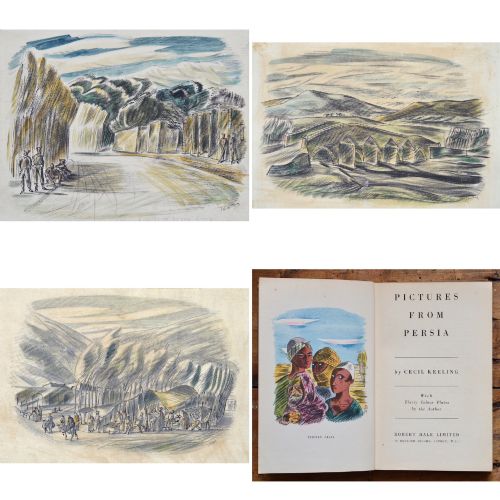
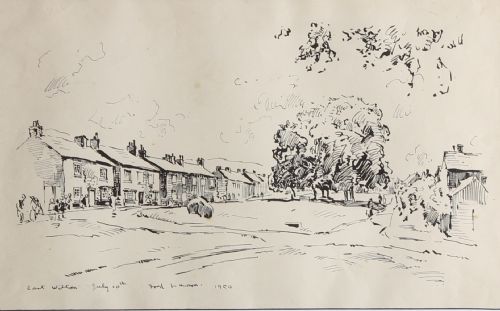
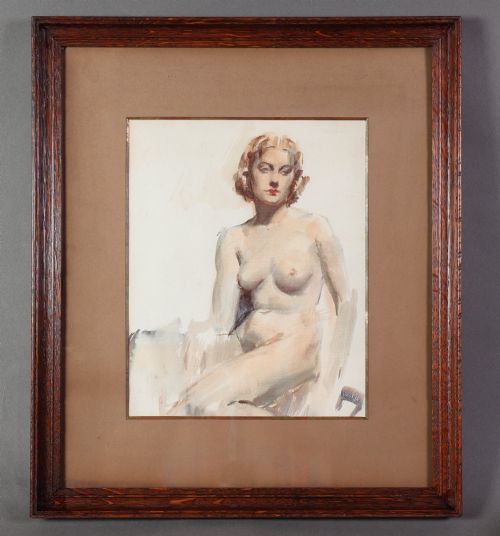
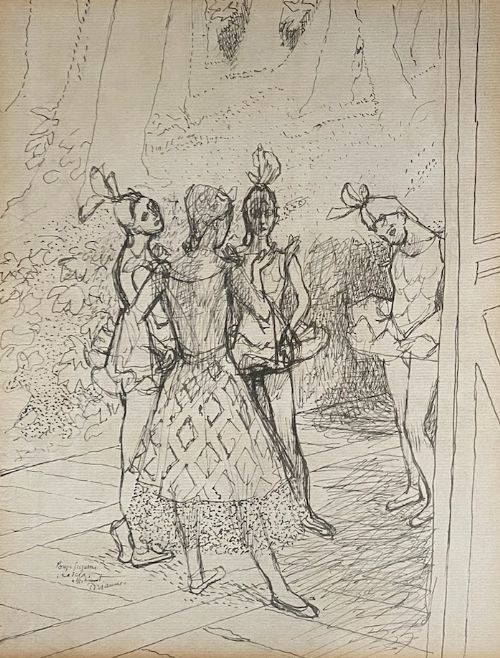
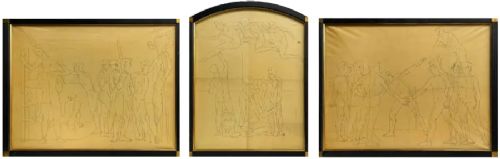
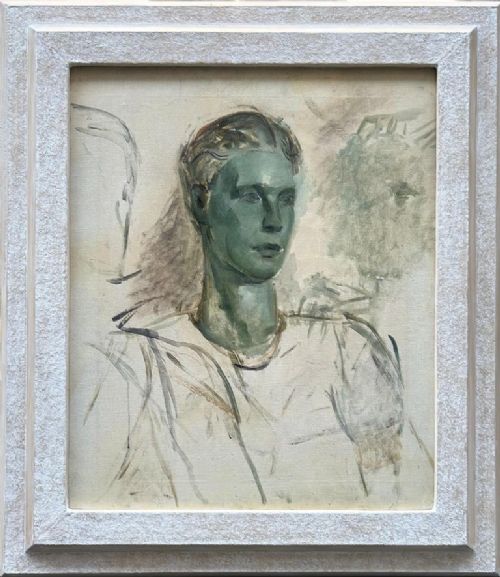
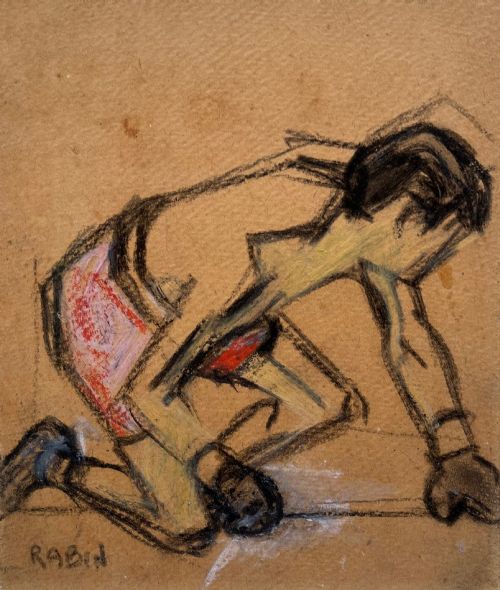
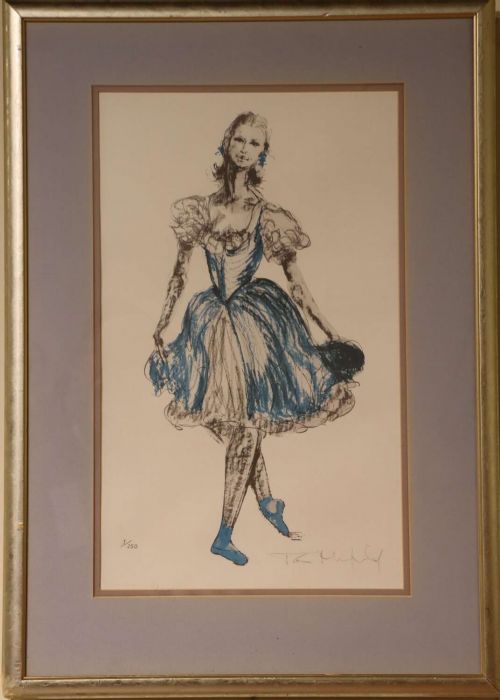
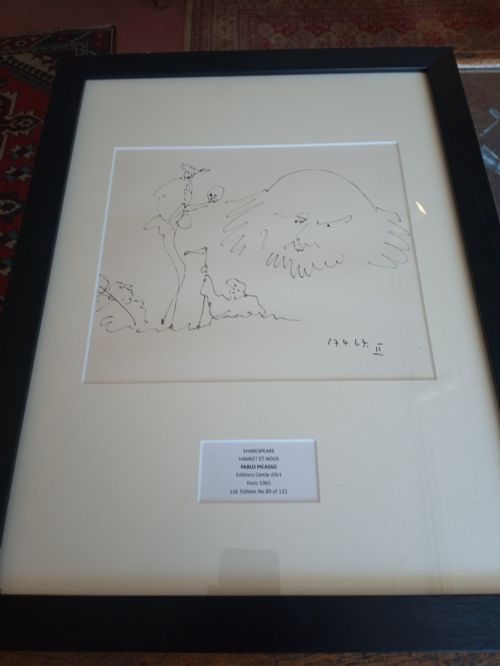
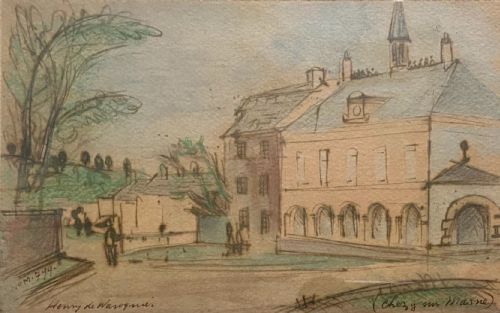
A mid century sketch encompasses original works on paper created primarily between the 1930s and 1960s, reflecting periods such as Mid-Century Modern, Modern British, and Academic Realism. Buyers encounter diverse subject matter ranging from theatrical ballet dancers and circus performers to architectural townscapes and intimate nude life studies.
The selections on this page frequently originate from mid-century British artists alongside European contemporaries, manifesting as framed artwork, wall art, and bound albums. These drawings often serve as direct preparatory studies or standalone compositions capturing rapid artistic observation.
Materials and methods
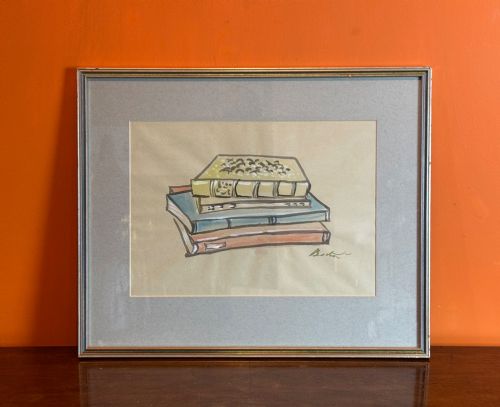
Artists executed these works on paper surfaces utilising dry mediums such as graphite, charcoal, pastel, and chalk alongside fluid applications of ink and watercolour. Mixed media combinations frequently merge ink lines with watercolour washes to establish tone and depth.
Support materials range from standard artist papers to coloured papers and card, occasionally preserved within period frames or presented as original studio leaves.
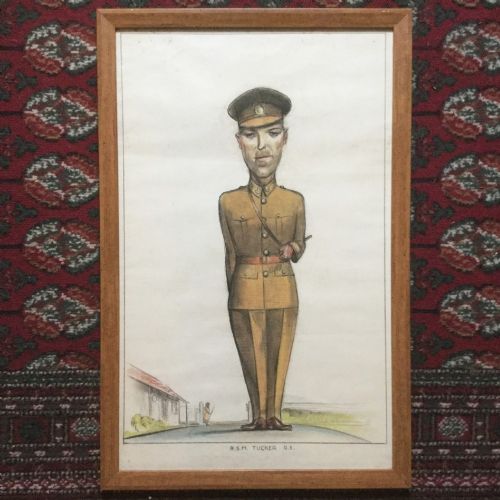
Several cats make formal appearances alongside military officers and ballet dancers, proving that household pets commanded equal artistic attention.
Distinctions in quality
Quality rests upon the confidence of the draughtsmanship and the economy of line, where rapid marks successfully convey movement, anatomy, or atmosphere without hesitation. Direct observation from life typically yields greater vitality than derivative or formulaic studio exercises.
The preservation of the paper support, the stability of fugitive pigments like watercolour and pastel, and the harmony between medium and paper surface dictate the overall integrity of the piece.
Fred Lawson·James Stroudley·Samuel Rabin·John Rattenbury Skeaping·Lawrence Stephen Lowry·Aubrey Sykes·Cecil Beaton
The Mid Century Sketch Glossary
- Gouache
- An opaque water-based paint that provides solid areas of matte colour, often combined with watercolour in mid-century works on paper.
- Wash
- A diluted application of ink or watercolour spread across paper to create smooth tonal gradations and background shadows.
- Life study
- A drawing or painting executed directly from a live nude or clothed model, functioning as an exercise in human anatomy and proportion.
- Mixed media
- An artwork combining two or more distinct artistic materials, such as ink lines reinforced with watercolour or chalk highlights.
Mid Century Sketch: Frequently Asked Questions
How do I care for a mid century sketch on paper?
Works on paper require protection from direct sunlight to prevent fading in watercolour and pastel mediums. Framing with acid-free mounts and UV-filtering glass preserves the paper support over time.
Display these artworks in rooms with stable humidity and temperature levels. Avoid hanging them in damp spaces or areas prone to sudden environmental changes.
What is the difference between a sketch and a finished painting?
A sketch generally prioritises immediate mark-making, visible construction lines, and spontaneous capture of form over blended perfection. These pieces record the primary thought process of the artist.
Finished paintings usually feature layered paint applications that obscure underlying preparatory marks. Sketches retain an experimental quality reflecting direct observation.
How can I identify the period of a vintage drawing?
Stylistic indicators such as mid-century modern abstraction, clothing styles, and framing materials often point toward specific decades like the 1950s or 1960s. Signatures, dates inscribed by the artist, and archival exhibition labels provide definitive chronological markers.
Paper types and watermarks can also help confirm the era of production. Comparing works to dated pieces by the same school aids verification.
Where were these mid-century works typically produced?
Many originate from British art schools, artist studios, and regional sketching societies active throughout the mid-twentieth century. Artists frequently recorded local landscapes, theatrical backstage scenes, and wartime duties.
Continental European scenes also appear, reflecting travels by British and French artists during the 1930s and post-war years. These drawings document both domestic life and international travels.