
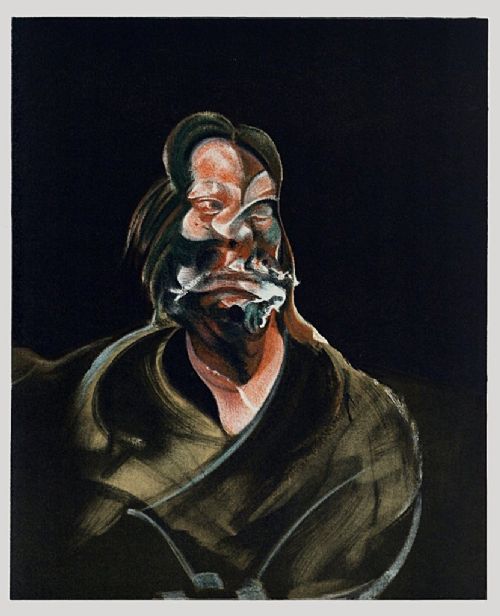
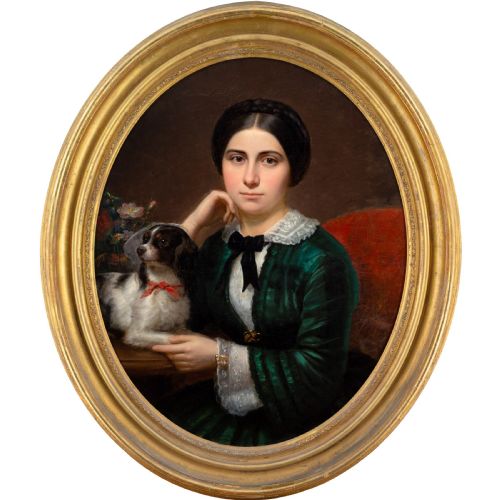
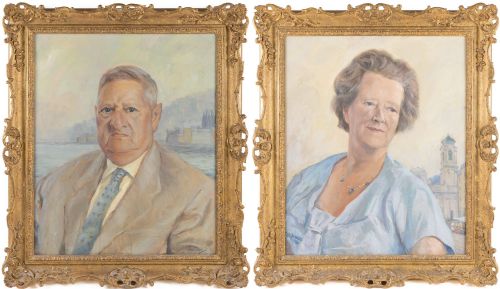
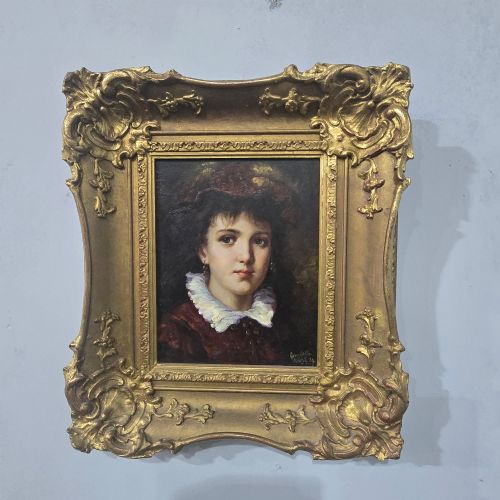
Mid Century Portrait
A mid century portrait captures the human face through twentieth-century realism and modernist viewpoints, offering direct contact with past lives.
What a mid century portrait represents
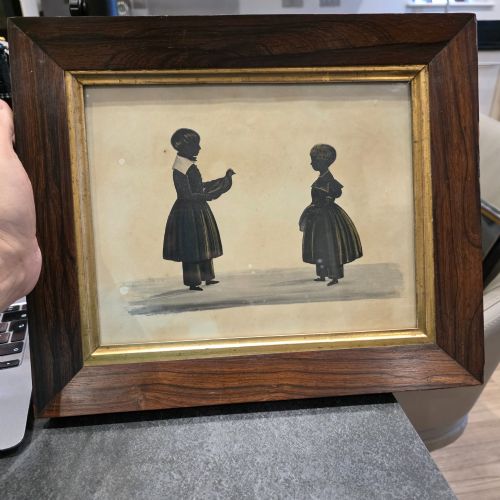
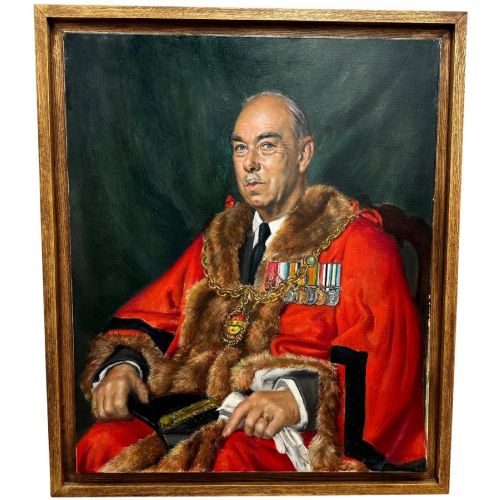
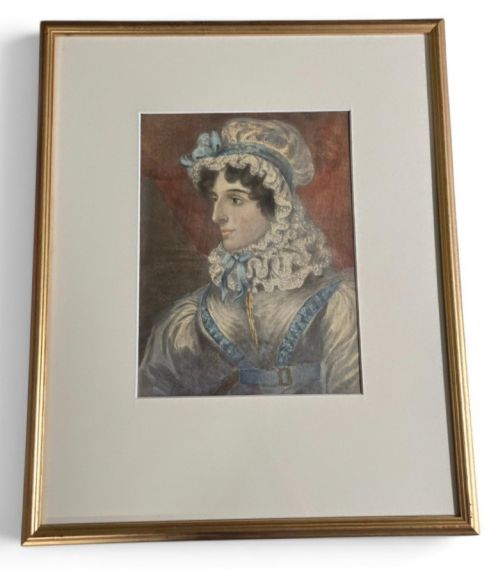
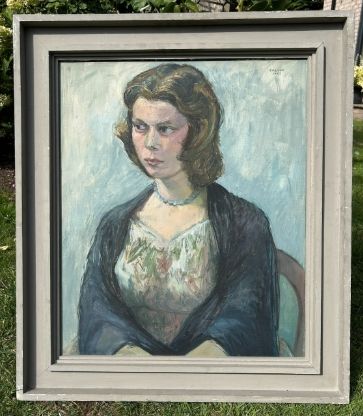
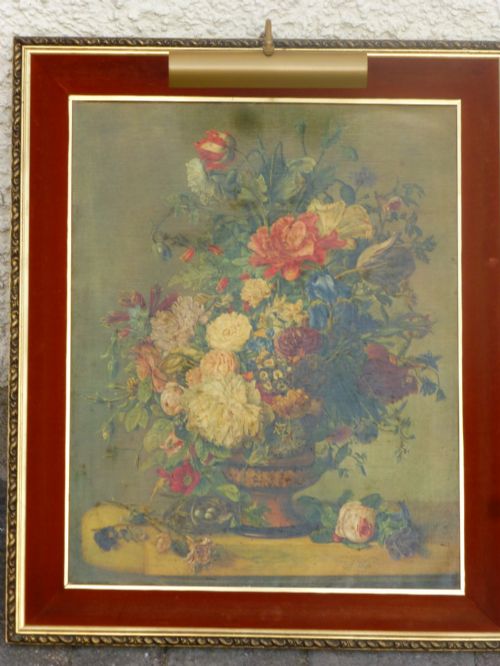
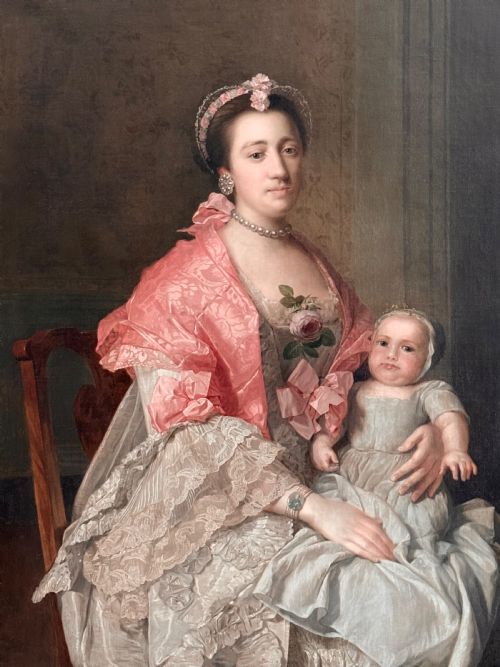
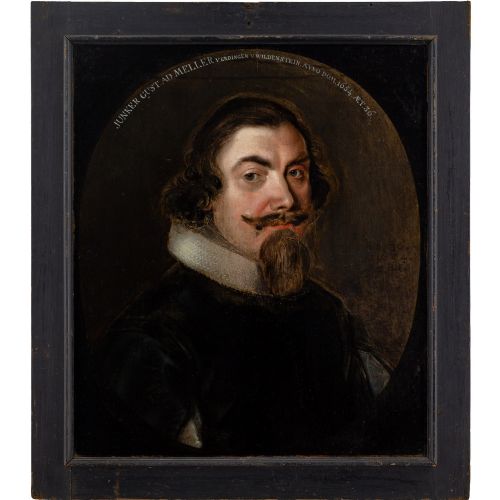
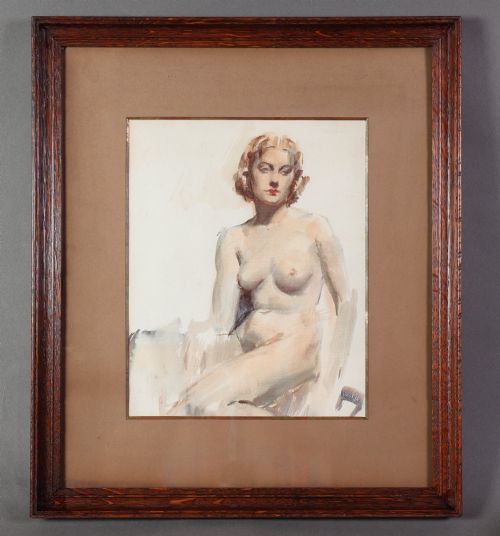
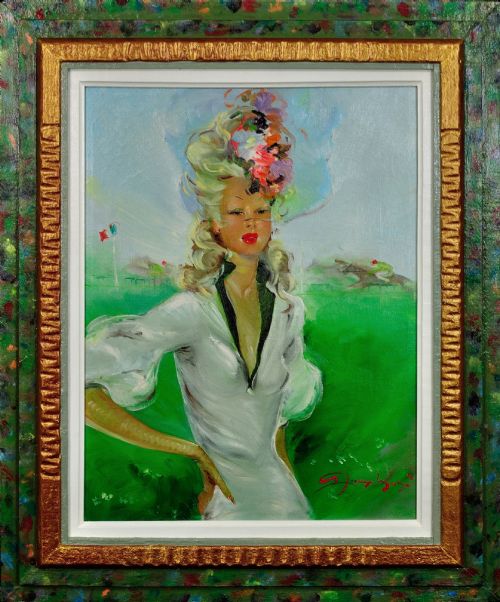
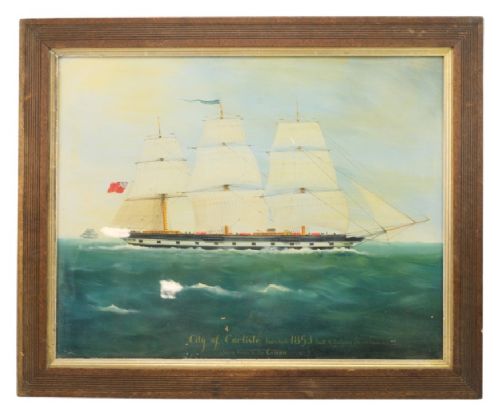
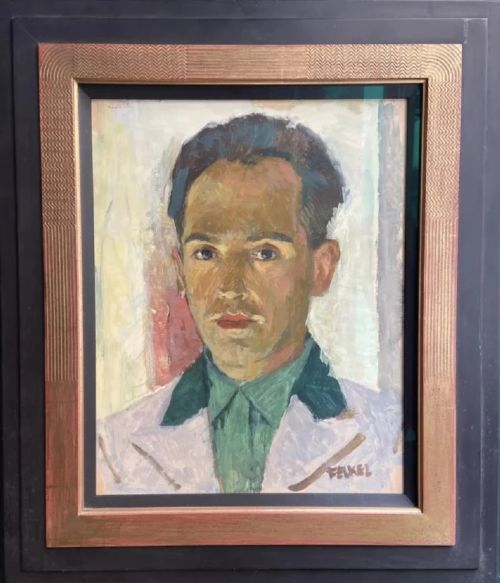
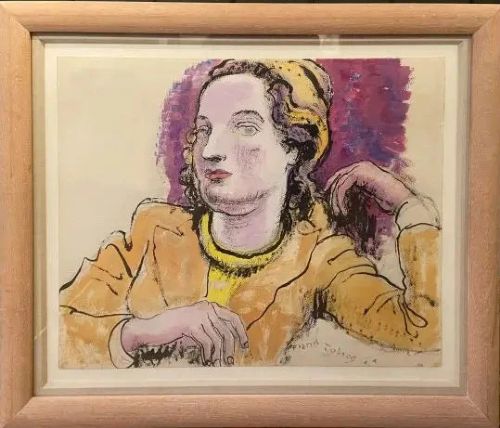
When you search for a mid century portrait, you encounter framed artwork and wall art spanning oil paintings, watercolours, pastels, and charcoal drawings. These pieces record sitters ranging from military officers and fishermen's daughters to models and public figures.
The selections on this page draw predominantly from twentieth-century aesthetics, notably mid-century modernist and modern British styles, alongside archival works extending back through earlier centuries. Canvas and paper serve as the primary supports for these depictions.
A buyer seeking this category finds both intimate head-and-shoulder studies and broader compositional pieces executed with distinct regional schools and individual artistic visions.
Materials and technique
Artists utilise oil paint, watercolour, pastel, charcoal, and pencil upon canvas, timber, paper, and board. Framed works frequently incorporate glass and gold leaf detailing to finish the piece.
Techniques range from precise pencil and charcoal drafting to layered oil paint applications and fluid watercolour washes. Each medium dictates the texture and permanence of the final image.
Retail Price Guide 2026
Typical UK retail prices for mid century portrait, calculated from the Sellingantiques database of over a million retail prices indexed since 2003. This retail price guide relies exclusively on Sellingantiques data; no external sources or auction records are used, so the figures do not describe the wider market.
Listings feature paper, wood, glass, canvas, charcoal, oil paint, timber, and gold leaf.
Factors of quality
Execution and handling of the medium separate expressive works from mechanical likenesses. A confident application of charcoal or oil pigment demonstrates the artist's command over form and light.
The psychological engagement between sitter and artist defines the lasting impact of the portrait. Superior pieces capture character rather than mere physical transcription.
Edwin Marsh·Aubrey Sykes RA·Muriel Metcalfe·Sonia Mervyn
The Mid Century Portrait Glossary
- Canvas
- A heavy woven fabric stretched across a wooden frame to serve as a support for oil paintings. It provides a durable and textured surface for brushwork.
- Pastel
- A dry drawing medium composed of powdered pigment and a binder, allowing for immediate colour application and soft blending. Works executed in this material require protective glass glazing.
- Impasto
- Paint applied in thick layers that stand out from the surface, creating a noticeable texture where brush or palette knife marks remain visible.
- Realism
- An artistic approach that depicts subjects truthfully without artificiality, avoiding implausible or supernatural elements. In portraiture, this involves rendering the sitter with anatomical accuracy.
- Provenance
- The chronological history of the ownership of a piece, establishing its authenticity and origin. Documentation of this kind adds historical context to the artwork.
Frequently Asked Questions
What mediums were used for these portraits?
Artists worked in oil paint, watercolour, pastel, charcoal, and pencil. These materials were applied to canvas, paper, timber, and board.
Framed presentations often included glass protection and wooden frames embellished with gold leaf.
How do I hang a portrait securely?
Ensure the wall fixings match the weight of the timber frame and glass. Heavy oil paintings on canvas require robust picture hooks secured into wall studs.
Position the artwork at eye level to replicate gallery display standards and protect the piece from direct sunlight.
Are these portraits original works?
The listings comprise original paintings and drawings created directly by the artists rather than modern reproductions. Each piece carries unique brushstrokes or pencil marks.
Signatures, inscriptions, and archival records help identify the specific hand behind the work.
How should I care for paper works?
Watercolours, pastels, and pencil drawings on paper need continuous protection behind glass to prevent atmospheric damage. Keep them away from humid environments and fluctuating temperatures.
Framing with acid-free mounts ensures the paper does not discolour over time.