

Mid Century Painting
These mid century painting examples capture the observant eye and varied hand of twentieth-century artists through oils and watercolours.
Mid Century Painting
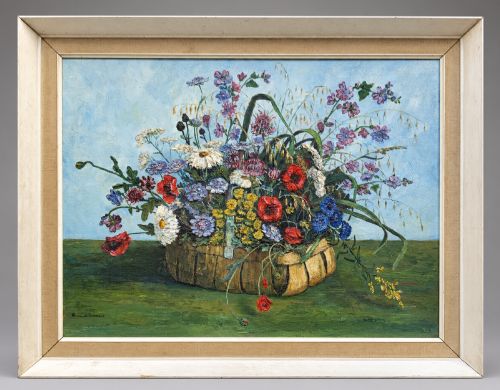
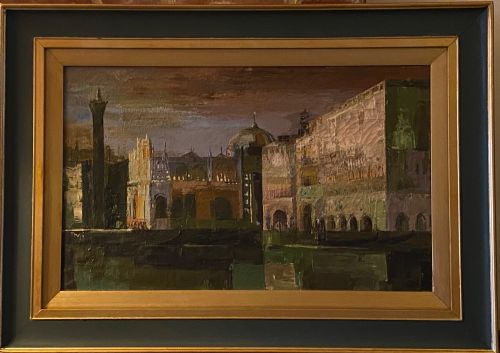
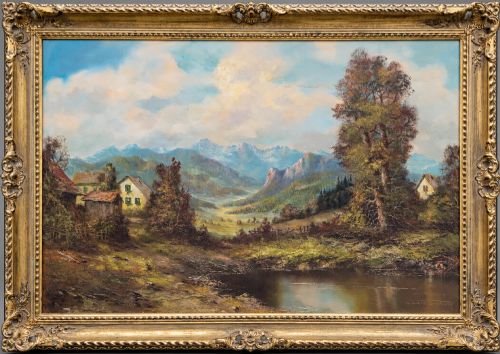
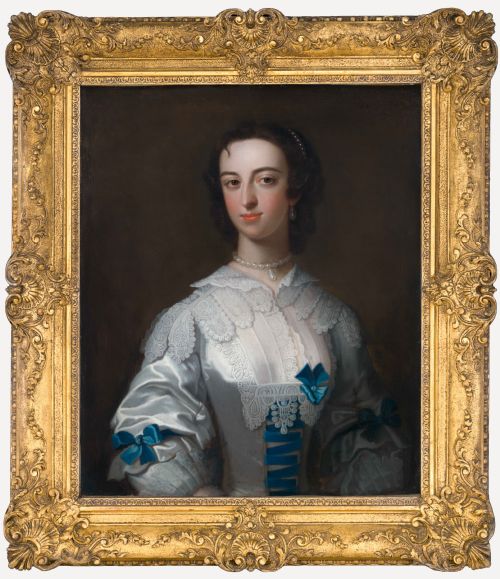
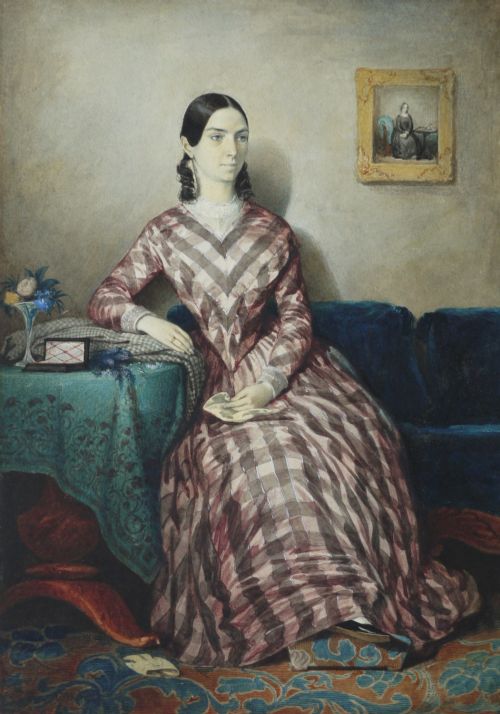
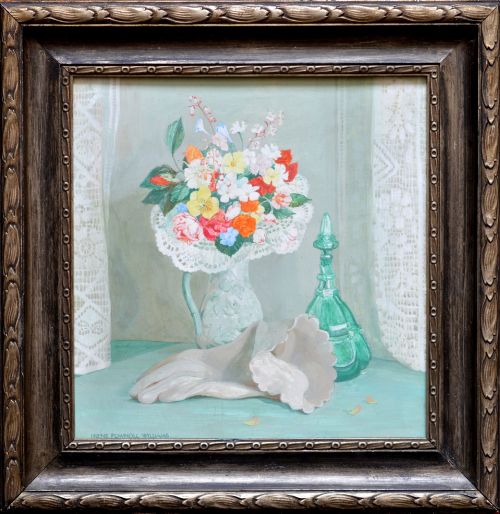
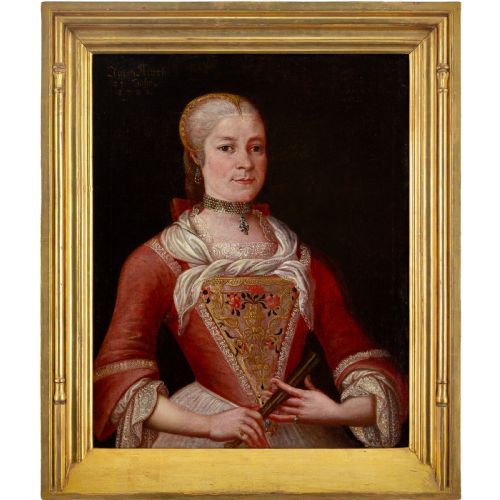
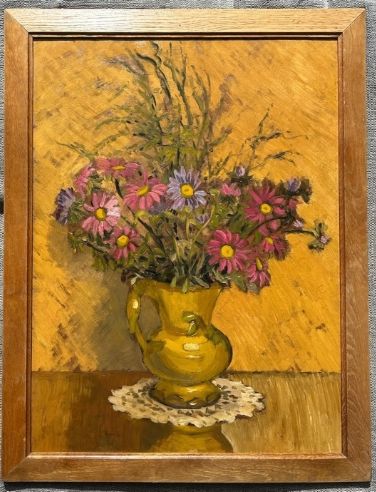
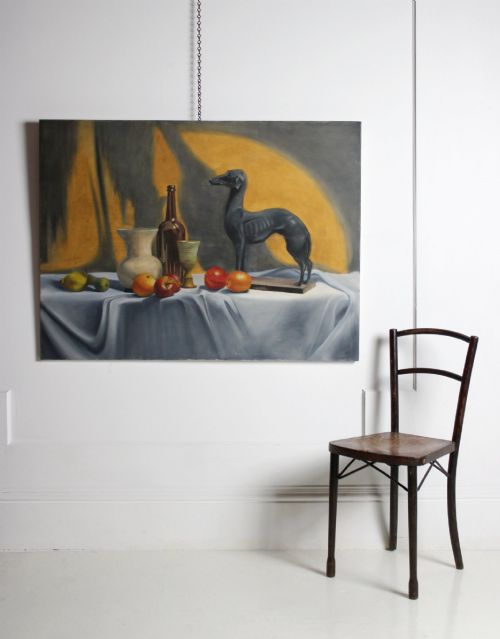
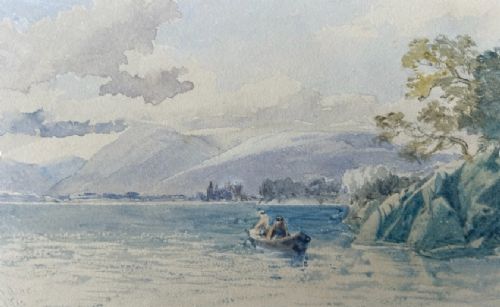
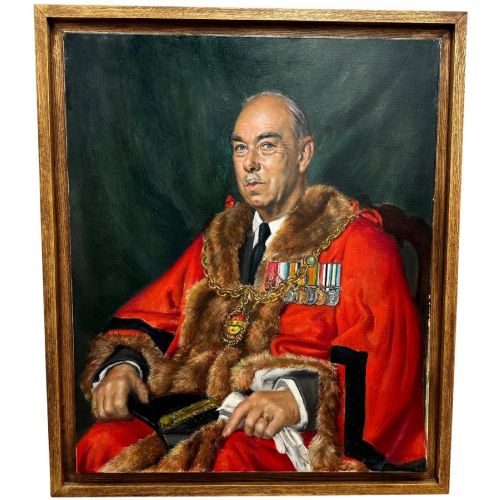
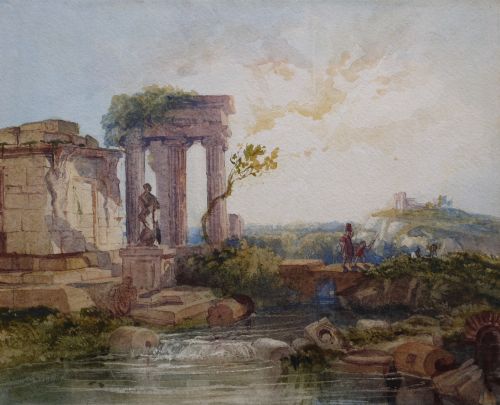
When you search for mid century painting, you encounter works executed on canvas, board, paper and panel predominantly from the middle decades of the twentieth century. These pieces record landscapes, maritime scenes, townscapes, portraits and still lifes created by British and European artists.
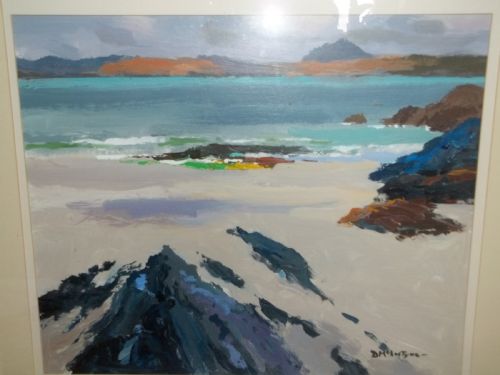
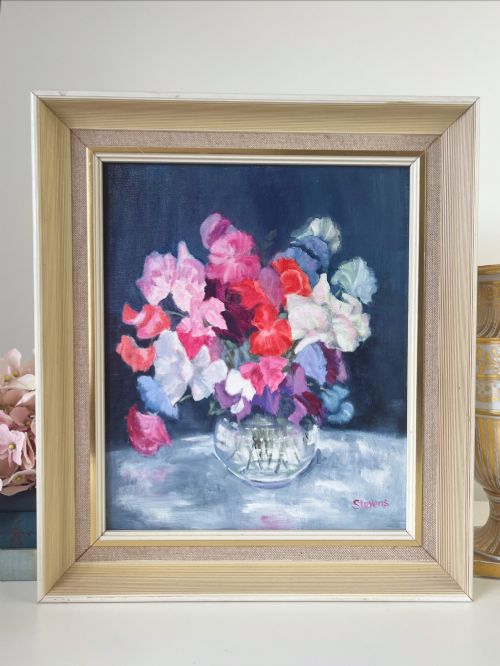
The selection on this page also embraces nineteenth-century watercolours and oils alongside twentieth-century compositions, showing how earlier traditions fed into later practices. Subjects range from Cumbrian lakes and Scottish landscapes to French canal scenes and floral studies.
You will discover framed oil paintings, delicate watercolours, and pastel drawings bearing signatures of individual painters or representing distinct regional schools. Each piece preserves a fragment of domestic or topographical history through pigment applied directly by hand.
How They Were Made
Artists painted primarily with oil or watercolour onto prepared supports of canvas, wood board, paper or heavy card. Oil paint was layered with brushwork or applied thickly to build texture, while watercolours relied on washes and transparent pigment on paper.
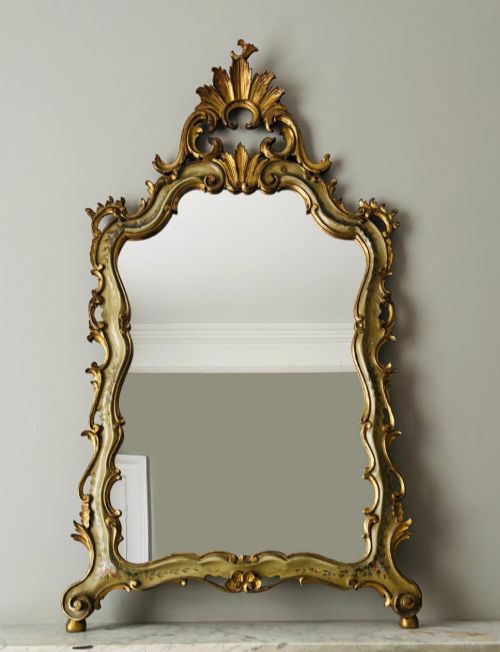
Supports varied according to the medium, utilising wooden panels, stretched canvas, or heavy paper boards that often bear the stamp of stationers or art suppliers. Framing typically involved wood mouldings, some finished with gilt or carved details appropriate to the period.
Listings feature works spanning from the seventeenth century through to the 1960s, with oil and watercolour being the dominant media.
What Varies In Quality
Quality rests in the sureness of the brushwork and the clarity of the composition, distinguishing confident studio or en plein air execution from hesitant amateur attempts. A master hand balances tone and light effectively across the entire surface of the canvas or paper.
The condition of the pigment and its support dictates the longevity and visual impact of the artwork. Works retained in original frames with stable paint layers and minimal past restoration command greater appreciation from collectors.
Kenneth Cozens·Thomas Miles Richardson Jnr·Robert Leslie Howey·Antonio DeVity·William Burns
The Mid Century Painting Glossary
- Board
- A rigid flat support made from wood, pulp or millboard used by artists instead of stretched canvas. Painters often applied oils directly to these stable surfaces during the twentieth century.
- Impasto
- Paint applied thickly to a canvas or board so that it stands proud of the surface. This technique leaves visible brush or palette knife marks that catch the light.
- Grisaille
- A painting executed entirely in shades of grey or neutral monochrome. Artists used this method to build tonal studies or mimic sculptural reliefs.
- En plein air
- The practice of painting outdoors to capture direct observations of light and atmosphere. Artists embraced this method extensively for landscape and coastal subjects.
- Watercolour
- A paint consisting of pigment suspended in a water-soluble binder applied to paper. Transparent washes allow the reflective quality of the paper ground to illuminate the colours.
Mid Century Painting: Frequently Asked Questions
How do I care for a mid century painting?
Keep the artwork away from direct sunlight and sources of extreme heat or dampness to protect the canvas and pigments. Avoid touching the painted surface directly, as natural oils from skin can damage unvarnished or delicate areas over time.
Dust gently with a soft, dry brush only when necessary, and leave professional cleaning or conservation to trained specialists. Proper framing behind glass or in a stable environment ensures the longevity of paper and board pieces.
Were these paintings always framed?
Most paintings were framed by the artist, gallery or original owner to protect the edges of the canvas or paper and to complement the interior aesthetics of the period. Swept gilt frames and simple wooden mouldings both served to finish and secure the artwork.
Some works retain their original period frames, which can offer clues to their history and exhibition background. Replacing a frame is common, but surviving original pairings are valued for their authenticity.
How can I tell the date of a painting?
Signatures, dates inscribed on the reverse, and stylistic markers offer the most reliable evidence for dating a work. Canvas stamps, board manufacturers' marks, and framing styles also help narrow down the decade of creation.
Comparing an unsigned piece to documented works by the same artist or regional school provides further contextual clues. Archival records and exhibition labels attached to the backing board frequently confirm precise timelines.
What subjects are most common?
Landscapes, coastal views, and still lifes dominate the available works, reflecting the enduring popularity of pastoral and domestic themes among twentieth-century painters. Artists frequently depicted local rivers, lakes, and familiar rural scenes.
Portraits of individuals and genre scenes depicting everyday life also appear regularly across different decades. These varied subjects provide a vivid window into the visual interests and travels of past generations.