


Mid Century Oak Chest
A mid century oak chest brings robust storage into a room, offering sturdy timber construction and practical compartments built to endure.
Mid Century Oak Chest
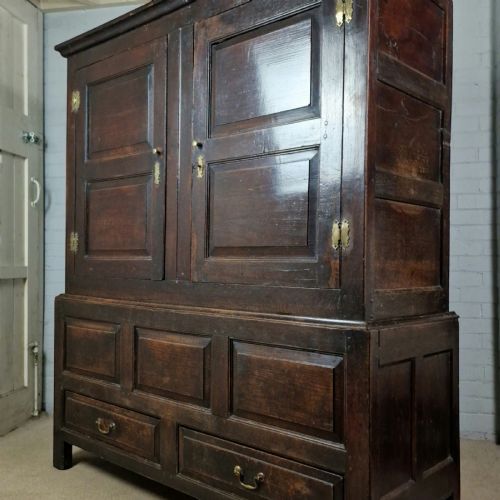
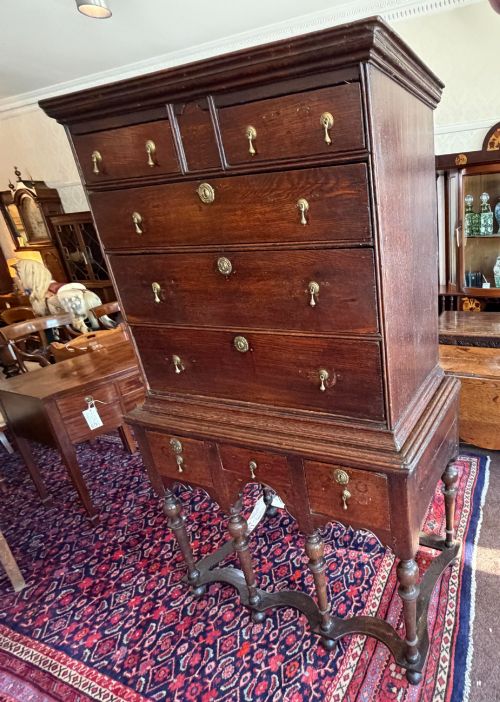
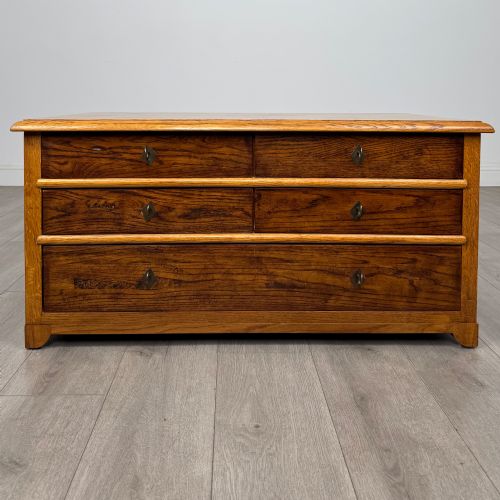
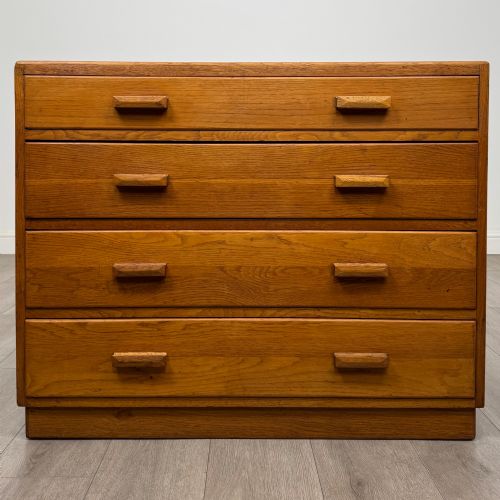
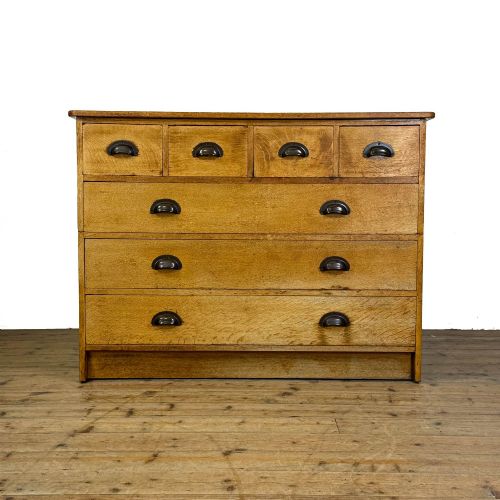
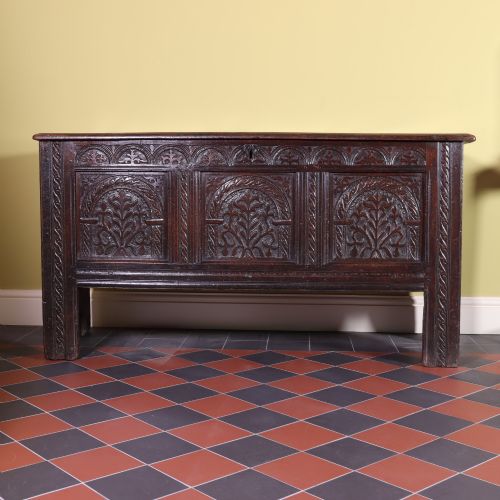
A mid century oak chest encompasses a wide variety of storage furniture, ranging from 17th-century panelled coffers and press cupboards to 18th-century chests of drawers and mule chests. Buyers searching for a mid century oak chest frequently encounter Georgian and mid-19th-century designs, including silver chests, linen presses, and plan chests.
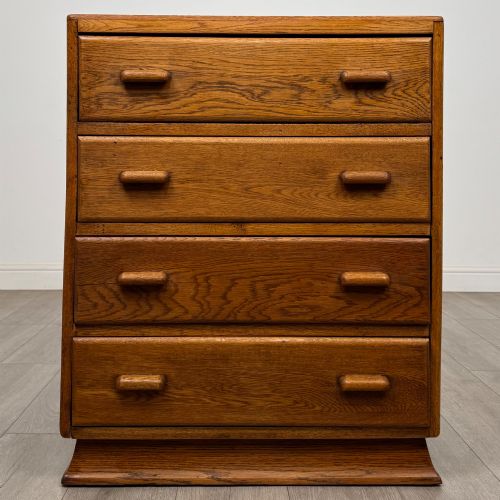
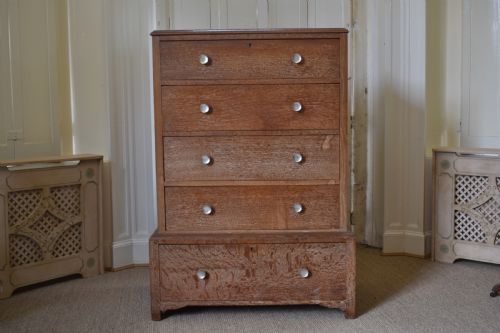
The selection extends across multiple eras, incorporating Edwardian interpretations, 1930s limed oak pieces, and 1950s utilitarian drawers alongside earlier vernacular trunks. This breadth means the search phrase serves as a catch-all for heavy-duty timber storage spanning several centuries of cabinet-making.
Materials and construction methods
Makers utilised solid oak, often complemented by secondary timbers, alongside wrought iron and brass for mounts, hinges, and bindings. Surface treatments varied from natural waxed finishes to limed oak applications, hand-painted details, and dark paint.
Joinery techniques relied on traditional methods appropriate to the period, such as panelled framing for early coffers, dovetailed drawer construction for chests of drawers, and robust iron banding for heavy-duty silver and storage chests.
One robust Victorian container was built specifically for Scottish sporrans and sock drawers.
Markers of distinction in oak storage
Quality rests in the integrity of the timber selection and the precision of the original joinery, distinguishing utilitarian containers from finely proportioned case furniture. Pieces featuring high-grade figuring in the oak or sophisticated carved detailing command greater attention from collectors.
The survival of original surface patination and authentic hardware, such as period brass drop handles or heavy iron straps, elevates the standing of a piece. Alterations to drawer configurations or replaced mounts alter the baseline standing of the furniture.
The Mid Century Oak Chest Glossary
- Coffer
- A large wooden chest used traditionally for storing valuables, typically constructed with heavy panelled sides and a hinged lid.
- Mule chest
- A storage chest featuring one or more drawers beneath the main compartment, combining the functions of a coffer and a chest of drawers.
- Press cupboard
- A tall piece of case furniture designed for storing textiles, incorporating enclosed shelving or hanging space behind panelled doors.
- Plan chest
- A multi-drawer cabinet with shallow, wide drawers originally built for storing architectural plans, maps, and large documents.
- Silver chest
- A heavy-duty storage box, frequently iron-bound and lined, specifically engineered to transport and protect valuable silverware.
Mid Century Oak Chest: Frequently Asked Questions
How do I date an old oak chest?
Dating relies on examining the construction methods, tool marks, and hardware style. Hand-cut dovetails, panel thickness, and original hinges provide reliable chronological clues.
Changes in fashion and timber preparation across centuries also help distinguish seventeenth-century joined work from Georgian drawer units or later industrial utility pieces.
What is the difference between a coffer and a chest?
A coffer strictly describes a box with a hinged lid that opens from the top, often used for domestic storage in earlier centuries. A chest of drawers incorporates front-facing pull-out compartments rather than a top-access lid.
Some hybrid forms, such as mule chests, combine both top-opening spaces and lower pull-out drawers.
Are these chests suitable for modern daily use?
These timber pieces provide exceptional structural stability and generous storage capacity suited for contemporary living rooms, hallways, or bedrooms. Their deep drawers and robust carcasses readily accommodate modern household items.
Care should be taken to maintain stable humidity levels to protect the historic timber from excessive drying or moisture.
How should I maintain a vintage oak surface?
Routine maintenance involves gentle dusting with a dry, soft cloth and occasional application of appropriate beeswax to nourish the wood. Avoid modern silicone-based polishes that can build up and degrade the historic finish.
Keep wooden furniture away from direct heat sources and strong sunlight to prevent the timber from warping or fading over time.