


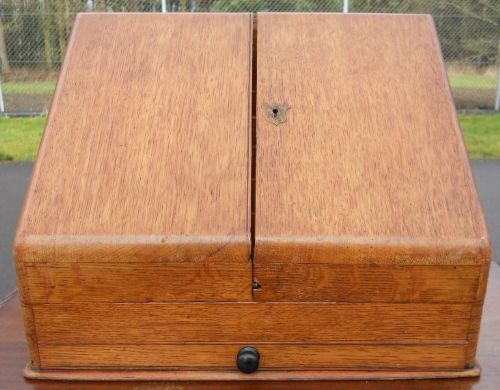
Honey Oak Drawers
Honey oak drawers bring warmth and steady utility into a room, offering practical storage finished in rich, honest timber tones.
Honey Oak Drawers
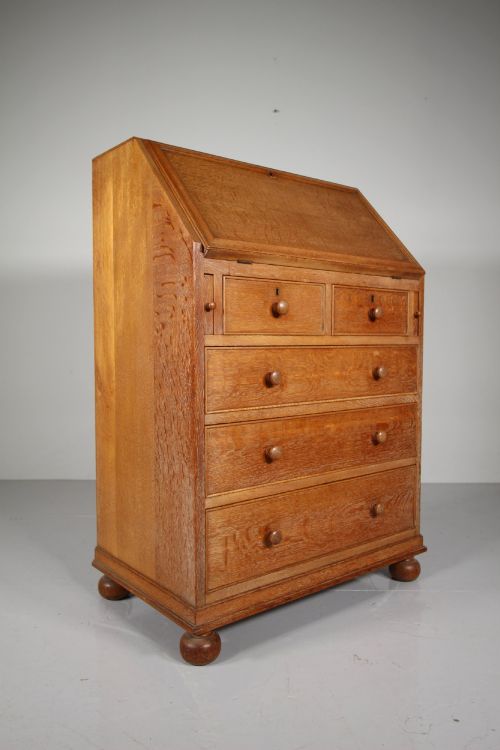
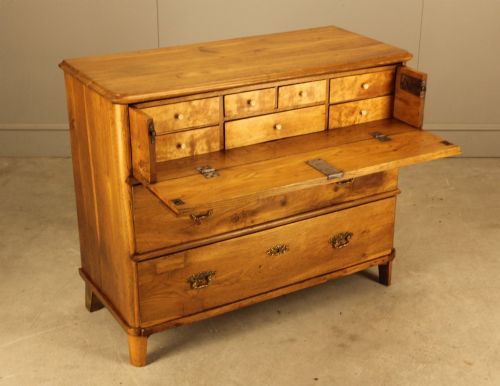
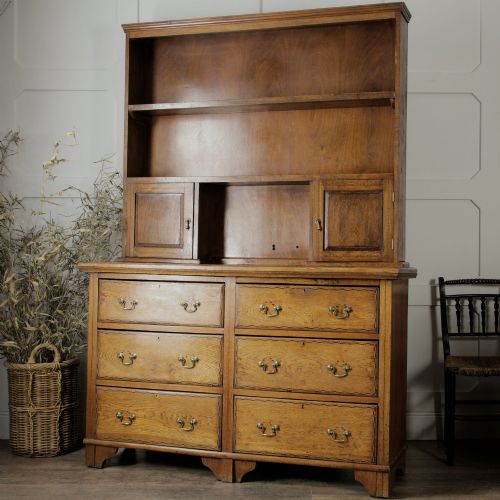
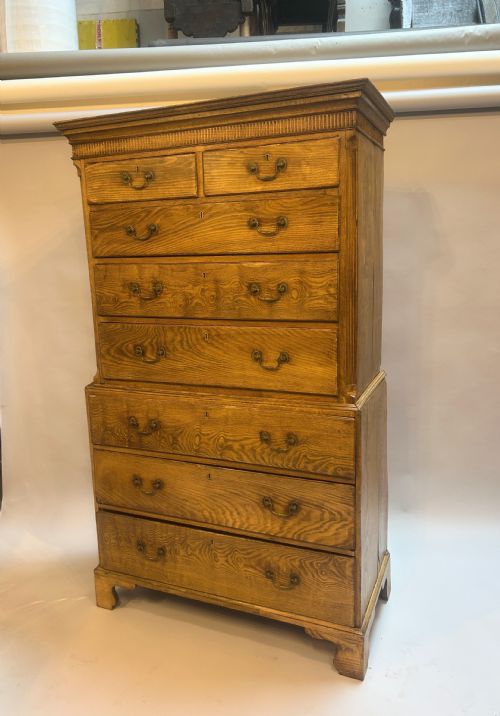
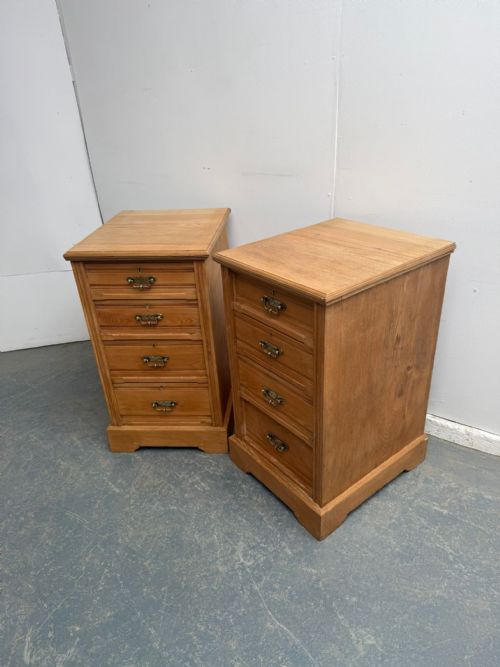
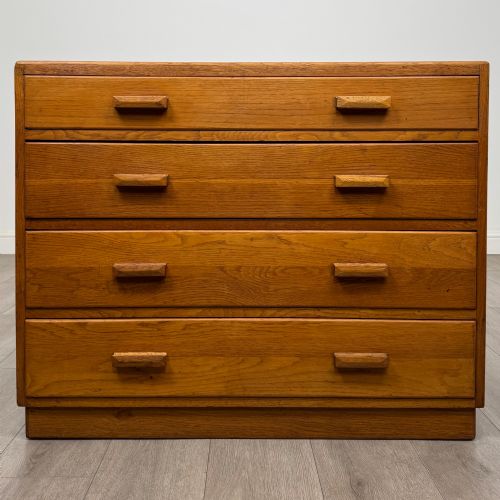
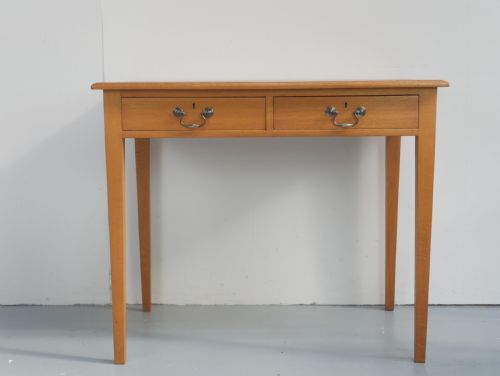
The chests of drawers and bedside units appearing here showcase traditional forms, ranging from George III constructions to Arts and Crafts designs. These items serve as functional storage furniture, displaying the natural grain and warm hues characteristic of aged oak.
Materials and Construction
Makers utilised solid oak alongside secondary timbers such as pine, ash, beech, and fruitwood to build these storage pieces. Surfaces were frequently waxed to protect the wood while enhancing the natural honey colour of the grain.
Metal fittings, particularly brass handles and drawer pulls, accompany the timber construction. Joinery techniques from the periods involved robust framing to ensure longevity in daily household use.
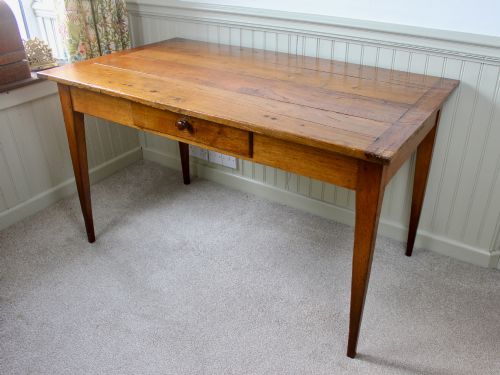
A surprise bread slide hidden above drawers reminds us that historic kitchen furniture was engineered for serious baking.
Assessing Quality and Character
The distinction between pieces rests in the depth of the timber's patina and the integrity of the original construction. Pieces retain greater appeal when the oak has developed a rich, translucent honey tone through age and wax finishing rather than modern intervention.
Proportion and restrained detailing separate finer examples from standard utility items. The quality shows in the harmony of the drawer proportions, the original brass hardware, and the uncompromised thickness of the solid oak panels.
The Honey Oak Drawers Glossary
- Tallboy
- A tall chest of drawers, typically comprising a chest of drawers stacked upon a further chest or base section. This form maximises vertical storage capacity while maintaining a compact footprint in a room.
- George III
- The design period spanning the reign of George the Third, characterised by balanced proportions and understated classical influence. Furniture from this era relies on the quality of the timber and precise cabinetmaking.
- Arts and Crafts
- A design movement valuing honest construction, visible handcraftsmanship, and the inherent qualities of materials. Pieces from this style often feature simple lines and exposed joinery.
- Bread slide
- A pull-out wooden shelf positioned above drawers in farmhouse tables and cabinetry. Originally utilised for cooling bread or expanding workspace in historic kitchens.
- Patina
- The surface sheen and mellowing developed by wood through decades of handling, light exposure, and polishing. This quality cannot be replicated artificially and indicates genuine age.
Honey Oak Drawers: Frequently Asked Questions
How do I date a honey oak chest of drawers?
Dating relies on examining construction methods, timber selection, and hardware styles. Hand-cut dovetails, secondary woods like pine or fruitwood, and the specific cut of the oak offer clear indicators of the period.
Changes in drawer linings and backboards further help distinguish eighteenth-century pieces from Edwardian or early twentieth-century examples.
Where should I place these drawers in my home?
These pieces suit bedrooms, living spaces, or hallways where warm timber tones complement existing interior palettes. Their robust nature makes them well-suited for everyday storage.
Positioning them away from direct heat sources protects the solid oak and preserves the wax finish over time.
What is the difference between George III and Edwardian oak drawers?
George III pieces originate from the eighteenth century, showing precise cabinetmaking and traditional proportions. They often feature aged brass pull handles and deep, warm patination.
Edwardian items date from the early twentieth century, reflecting lighter proportions and sometimes incorporating Arts and Crafts simplicity into traditional forms.
How do I care for antique waxed oak?
Maintaining waxed oak involves regular dusting with a soft, dry cloth and periodic applications of traditional beeswax. This nourishes the timber and maintains the characteristic honey sheen.
Avoiding silicone-based polishes ensures the wood breathes and retains its natural appearance.