

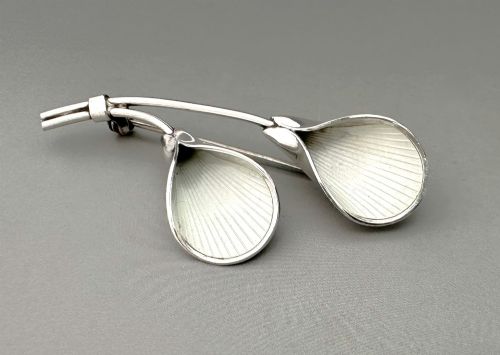


Mid Century Lapel Pin
A mid century lapel pin is a wearable piece of metalwork that fastens to a jacket, bringing colour and structure through enamel, diamonds, and precious metals.
Mid Century Lapel Pin
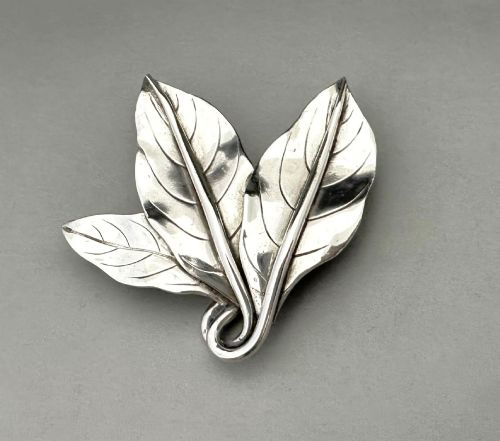
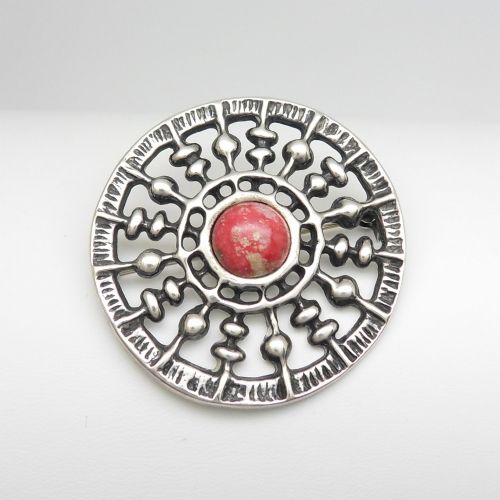
A mid century lapel pin is typically encountered as a brooch in silver or 18ct yellow gold, created in styles spanning from the 1920s to the 1960s with a strong representation of 1950s modernist and Scandinavian designs.
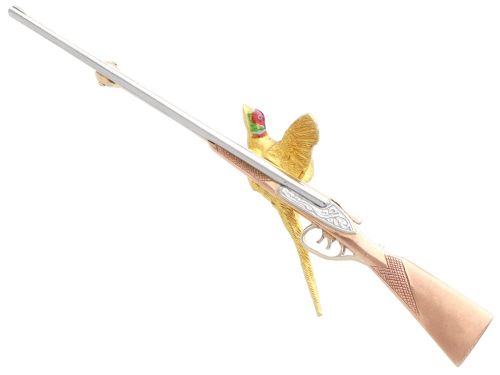
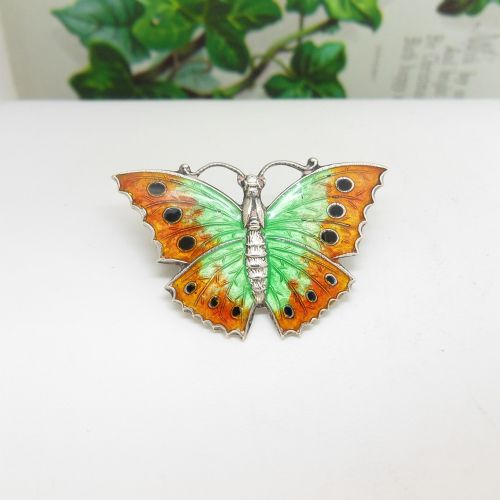
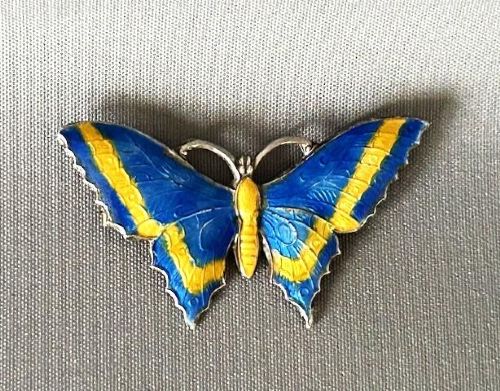
The forms range widely across the selection, taking shape as floral sprays, abstract sculptures, bar brooches, and figurative subjects including butterflies, frogs, chicks, and shields.
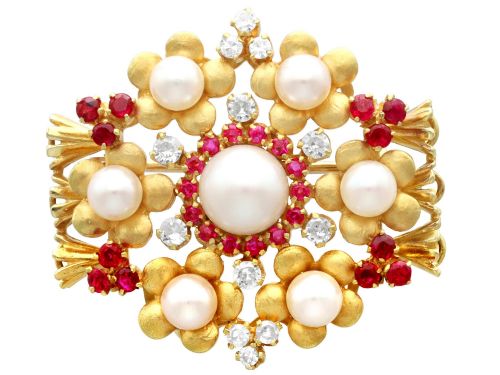
These pieces function primarily as dress accessories, designed to secure a lapel or scarf while displaying gemstones such as rubies, diamonds, aquamarines, and amethysts alongside vitreous enamel and marcasite.
Materials and construction
Metals form the structural base of these brooches, uniting sterling silver, silver, platinum, palladium, and 18ct yellow or 18k gold within individual pieces.
Vitreous and guilloche enamel techniques apply translucent or opaque colour across silver surfaces, frequently paired with hand-set diamonds, rubies, and pearls.
Workmanship relies on precise soldering, stone setting, and enamelling methods characteristic of mid-century Scandinavian, Mexican, and British workshops.
Mid Century Lapel Pin Retail Price Guide 2026
Typical asking prices for mid century lapel pin among the pieces listed under this phrase on Sellingantiques today, from the lower quarter to the upper quarter. They describe what is for sale here now, not the wider market.
Frogs, chicks, and butterflies represent the animal kingdom across the collection, reminding us that mid-century designers loved a touch of fauna.
Assessing quality and execution
Quality separates in the precision of the metalwork and the complexity of the stone setting, distinguishing simple cast elements from detailed hand-formed abstract designs and precise pavé work.
The execution of guilloche and vitreous enamel dictates refinement, where even coverage and intact coloured glass without chips or stress fractures elevate a piece.
Material combination influences the grade of the work, moving from straightforward silver and marcasite combinations to substantial platinum and gold pieces set with calibrated diamonds and rubies.
Hroar Prydz·Ben Rosenfeld·Mikimoto·Beto·Charles de Temple·Celtic Art Industries
The Mid Century Lapel Pin Glossary
- Guilloche enamel
- A decorative technique where an engraved metal surface is covered with transparent enamel, allowing the pattern underneath to show through. This method is frequently seen on Scandinavian floral and butterfly brooches.
- Marcasite
- Small, faceted pieces of pyrite set into silver to resemble diamonds, common in mid-century figurative designs. These stones provide a dark, metallic sparkle.
- Platinum
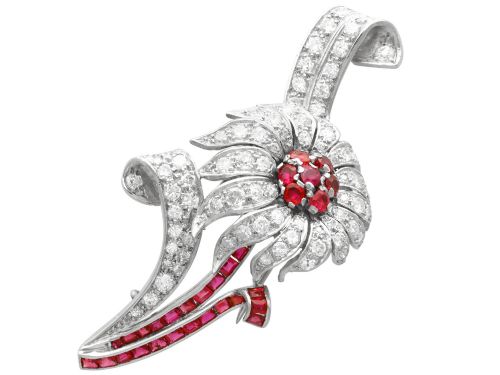
- A dense, durable white metal used for secure stone settings and fine jewellery fabrication. It appears here in floral spray and diamond cluster brooches.
- Vitreous enamel
- Glass fused to metal through high-temperature firing, creating durable and vibrant coloured surfaces. It is a primary medium in Norwegian silver work.
- Spray brooch
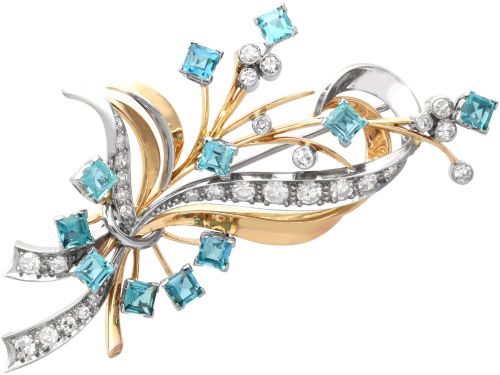
- A jewellery form arranged in an outward spray of stems, flowers, or abstract lines. This shape is often rendered in gold, platinum, and gemstones from the 1950s.
Mid Century Lapel Pin: Frequently Asked Questions
How were mid century lapel pins worn?
These pieces were fastened to the lapel of a jacket, coat, or knitted garment to add a decorative focal point to everyday or evening attire. They served both a functional purpose as a fastener and an ornamental role as a miniature work of art.
In many cases, the pin mechanism relies on a standard pin stem and safety catch, allowing the brooch to sit flat against heavy wool or lighter fabrics without pulling the material.
What materials are typical for these brooches?
The selection relies heavily on sterling silver, 18ct yellow gold, and platinum, often enhanced with coloured gemstones like rubies, diamonds, aquamarines, and amethysts. Enamel and marcasite are also widely employed to add texture and hue.
Scandinavian pieces often utilise silver and vibrant vitreous enamel, whilst gold and platinum examples tend to incorporate faceted precious stones in abstract or floral arrangements.
How do I distinguish 1950s styles from Art Deco?
Art Deco pieces, represented from the 1920s in the evidence, lean towards strict geometric symmetry and linear arrangements. In contrast, 1950s mid-century and Scandinavian modern designs favour organic curves, abstract asymmetry, and stylized natural forms like flowers and animals.
Examining the setting techniques and the overall silhouette usually reveals whether a piece belongs to the rigid geometry of the interwar period or the fluid modernism of the post-war era.
Can these pins be worn on modern clothing?
These brooches adapt easily to contemporary wardrobes, functioning effectively on coat lapels, heavy cardigans, scarves, and structured blazers. Their sturdy pin backs support daily wear when secured properly through the fabric.
For delicate fabrics, placing the pin through a reinforced seam or layering a small backing piece behind the cloth helps distribute the weight evenly.