



Mid Century Illustration Art
Mid century illustration art brings together original works on paper, canvas and wood that capture the visual character of the mid-twentieth century.
Mid Century Illustration Art
Mid century illustration art comprises original works created across the 1930s, 1940s, 1950s and 1960s. The selection on this page centres on framed artwork, paintings, drawings and prints.
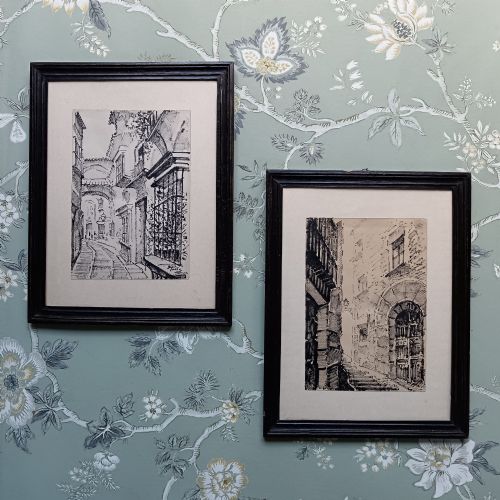
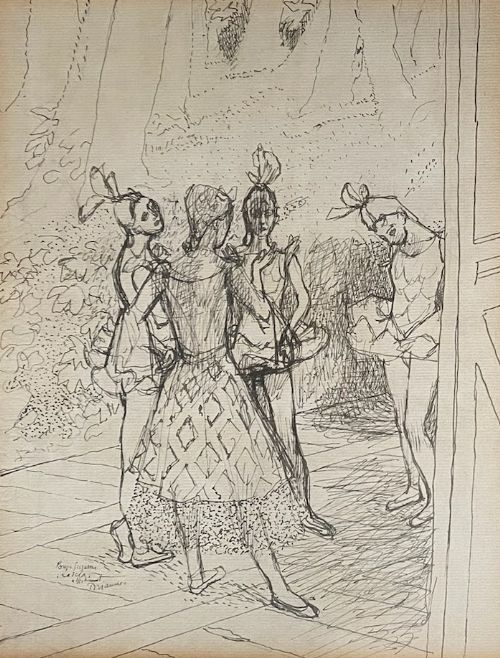
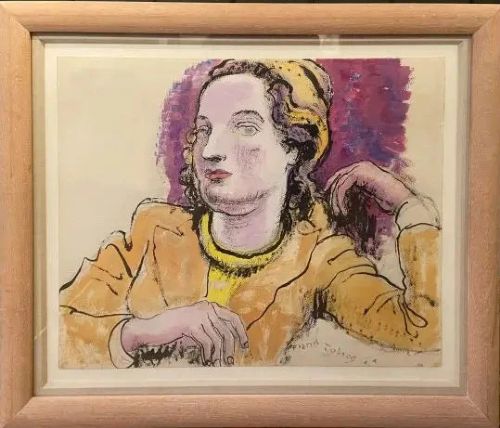
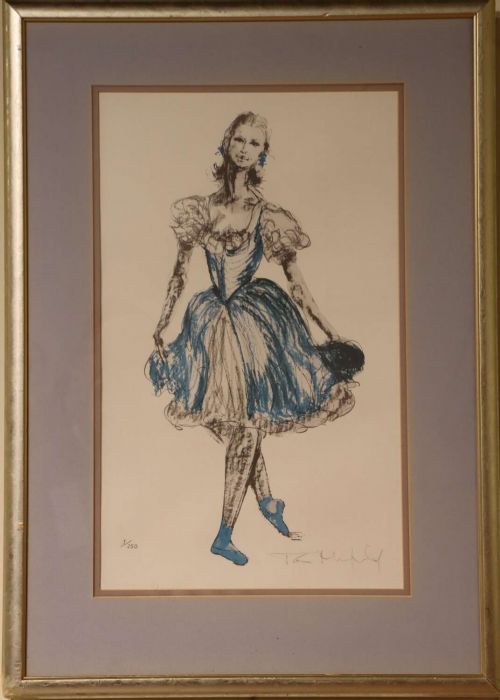
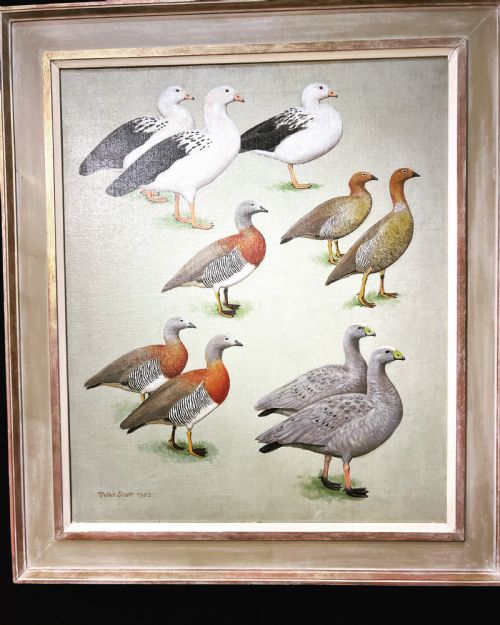
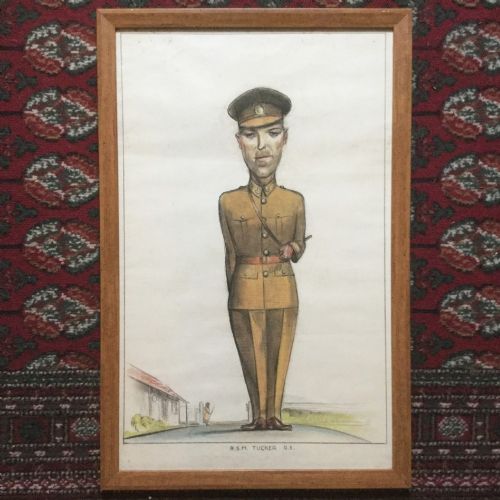
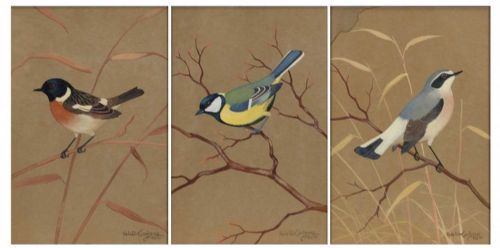
The form spans diverse subjects, from wartime records and botanical studies to portraits and theatrical scenes. These pieces reflect mid-century British art, modern British styles and mid-century modern traditions.
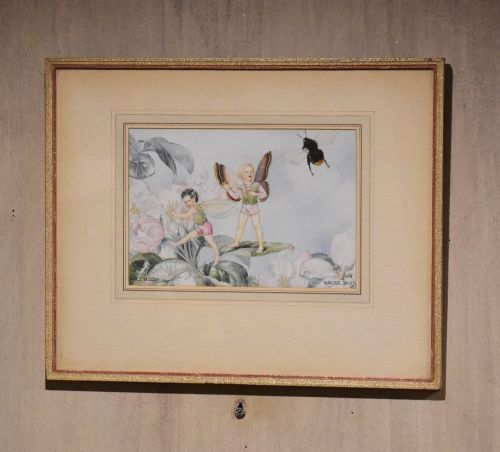
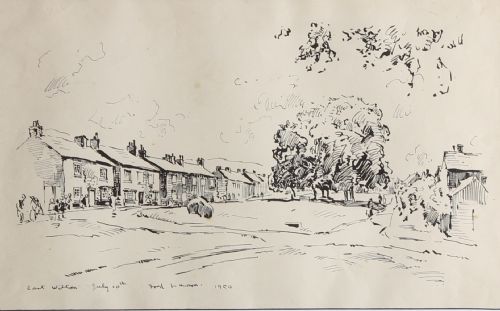
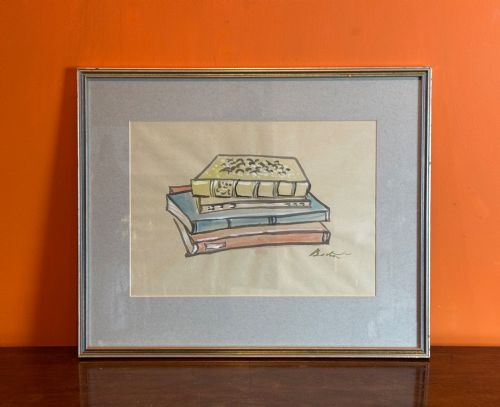
Buyers encounter everything from rapid ink sketches to finished gouache paintings and poster designs. Many carry specific connections to publishing, aviation, natural history or performance.
How they were made
Artists worked primarily on paper, canvas and wood panels using water-soluble and fluid mediums. Ink, watercolour and gouache dominate the surviving pieces, often combined with pencil, chalk or pastel.
Techniques range from precise pen and ink line work to expressive gouache washes and layered pastel applications. Artists utilised these responsive materials to capture immediate impressions, preparatory studies and finished illustrations.
Mid Century Illustration Art Retail Price Guide 2026
Typical asking prices for mid century illustration art among the pieces listed under this phrase on Sellingantiques today, from the lower quarter to the upper quarter. They describe what is for sale here now, not the wider market.
Cats appear frequently in mid-century illustration, posing with just as much theatrical attitude as any human dancer.
What varies in quality
Quality rests upon the sureness of the hand and the clarity of the composition. A confident line and purposeful brushwork distinguish accomplished works from routine exercises.
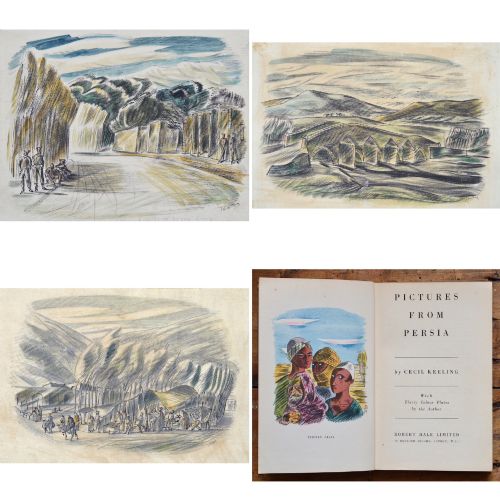
The degree of finish and the significance of the subject matter alter the standing of a piece. Original works tied to published books, known exhibitions or documented commissions hold greater artistic weight.
Cecil Keeling·Fred Lawson·Maurice Brianchon·Frank Dobson·Sir Peter Markham Scott·John Meredith·Cecil Beaton·Ralston Gudgeon·Septimus Scott·Michael Lyne·Charles F Tunnicliffe·J W Hogley·Raoul Millais·J Manrique·Sutcliffe·Lucien Freud·Dame Laura Knight·Mariette Lydis·Irene Lagut·Paul-Louis Barruel·Archille Zavatta·Jean Cuny·Donald Watson·Murphy·Paul Slater
The Mid Century Illustration Art Glossary
- Gouache
- An opaque watercolour paint that dries to a matte finish, allowing for vibrant colour blocks and sharp detail.
- Wartime illustration
- Visual art produced during the 1940s, often documenting military service, home front activities or official commissions.
- Mixed media
- An artwork combining two or more different artistic materials, such as watercolour and coloured pencil on paper.
- Botanical study
- A detailed illustration focused on the accurate depiction of plant species, flowers or foliage.
- Limited edition print
- A numbered run of impressions pulled from a single plate or matrix, signed by the artist.
Mid Century Illustration Art: Frequently Asked Questions
What defines mid century illustration art?
These works are original drawings, paintings and illustrations produced during the 1930s, 1940s, 1950s and 1960s. They encompass diverse subjects from natural history and portraiture to publishing and wartime records.
The materials typically include paper, ink, gouache and watercolour. Many pieces carry direct links to books, magazines or exhibitions from the period.
How should I display these works?
Works on paper require careful framing behind glass to protect them from dust and physical damage. Keep them away from direct sunlight to prevent the fading of watercolour, ink and gouache.
Grouping smaller drawings or pairing thematic pieces creates a balanced display on a wall. Ensure the framing materials are acid-free to preserve the paper over time.
How do I date these pieces?
Dating relies upon artist signatures, stylistic markers, gallery labels and documented publishing dates. Many pieces retain inscriptions, exhibition dates or stamps from the middle decades of the twentieth century.
Materials such as wartime papers or specific printing methods also help narrow the timeframe. Comparing a work to known dated pieces by the same artist confirms the era.