
Mid Century Gemstone Jewellery
Mid century gemstone jewellery brings together vibrant coloured stones and modernist design from the nineteen-forties, nineteen-fifties, and nineteen-sixties.
Mid Century Gemstone Jewellery
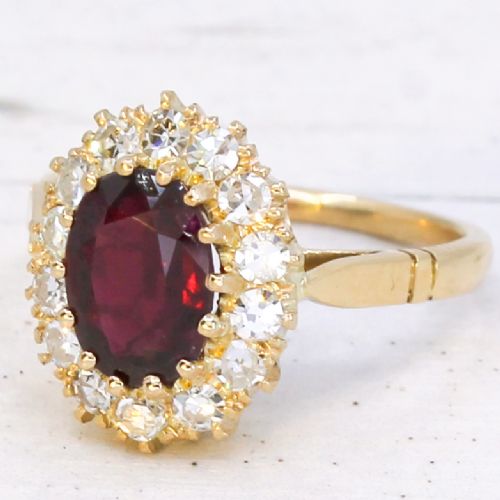
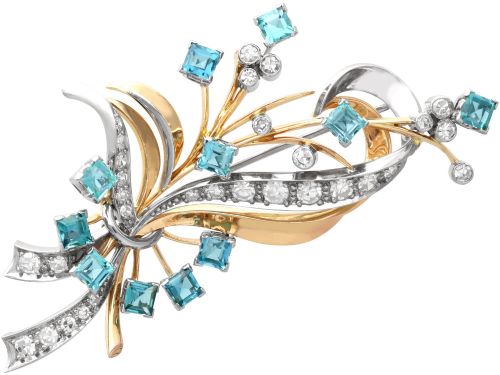
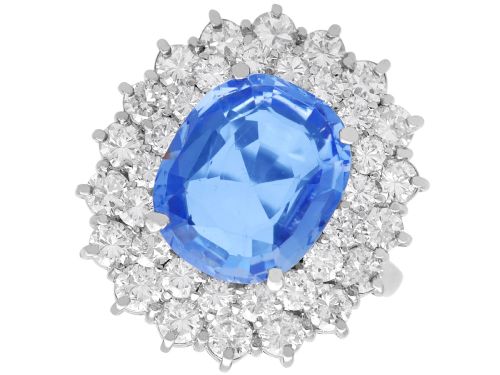
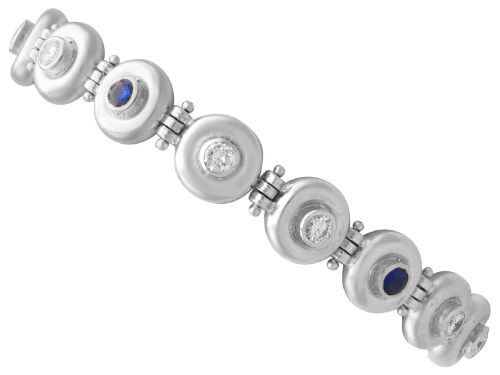
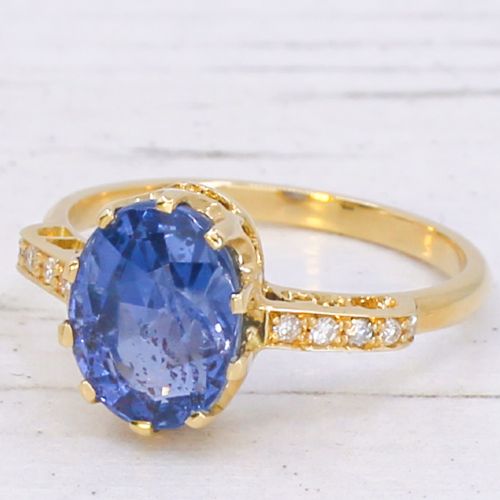
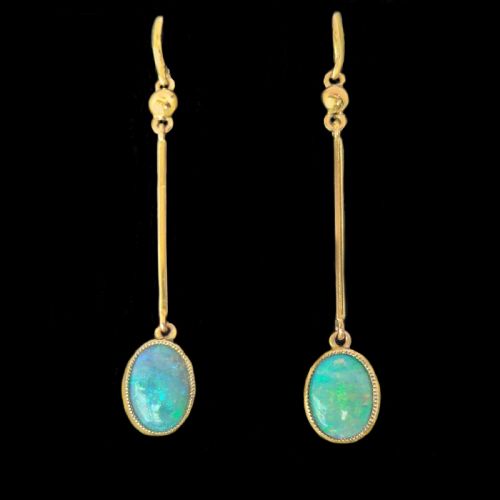
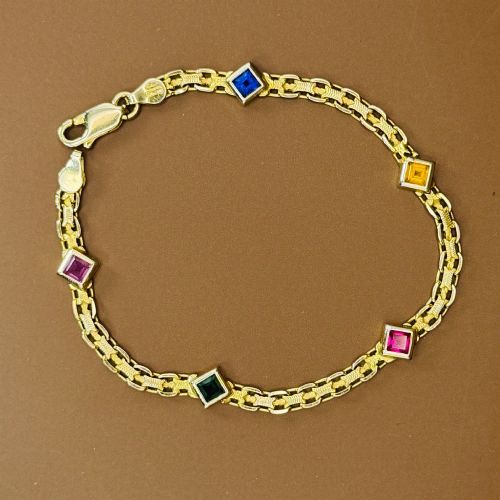
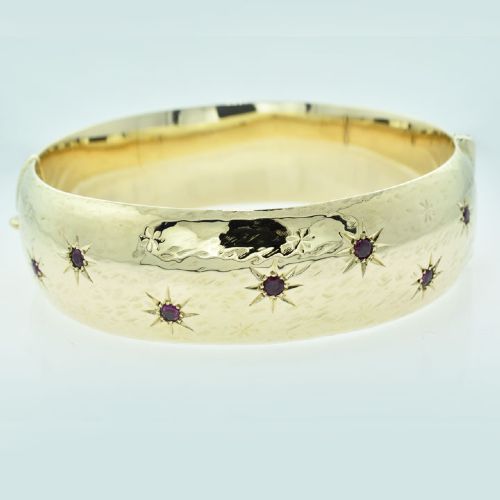
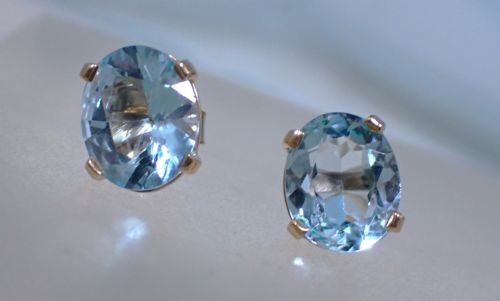
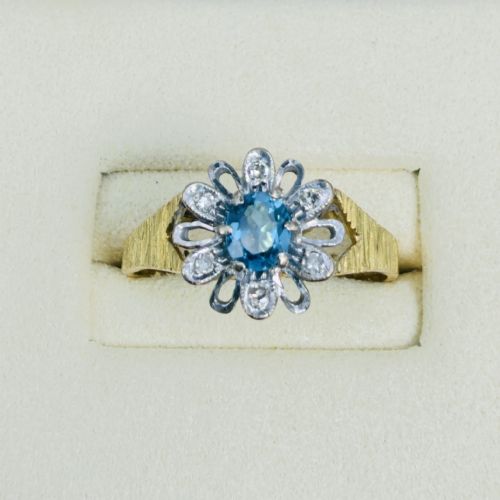
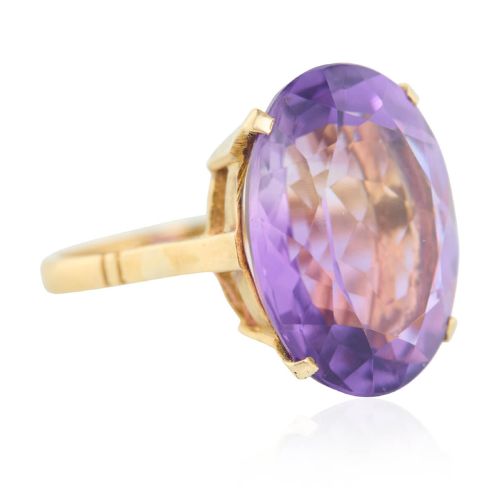
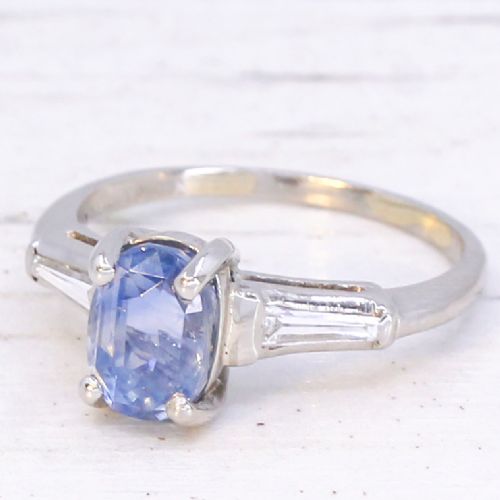
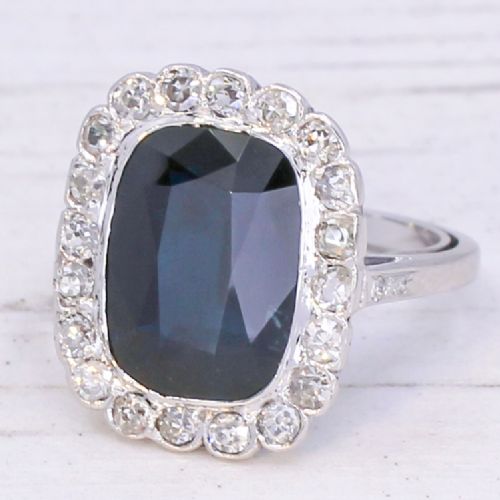
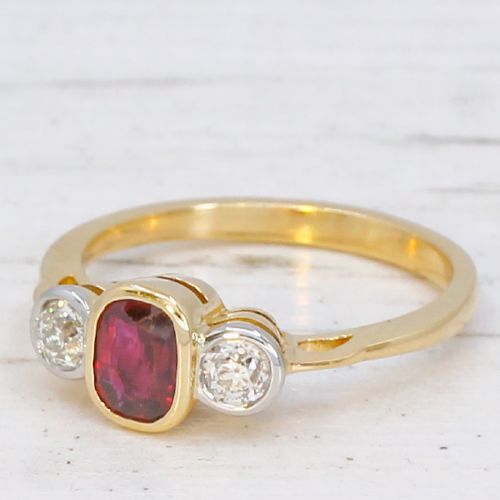
Mid century gemstone jewellery comprises rings, earrings, necklaces, pendants, bracelets, brooches, and bangles originating from the nineteen-forties through the nineteen-sixties. Buyers exploring this category encounter clusters, floral motifs, and geometric settings that define the mid-century and modern styles of the era.
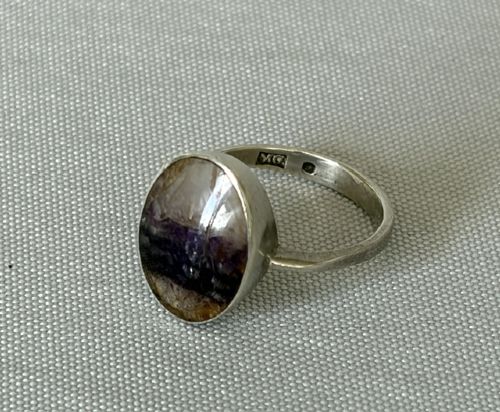
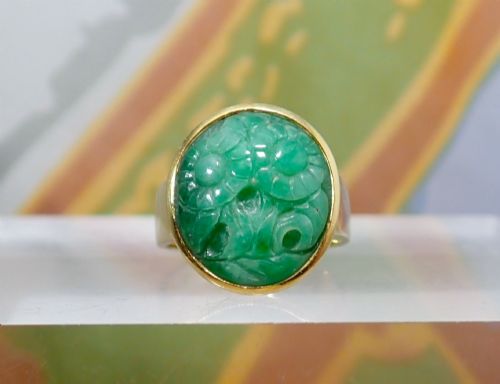
The selections span delicate pearl necklaces with amethyst clasps to substantial cocktail rings set with sapphires, aquamarines, and emeralds. Many pieces combine yellow gold, white gold, or platinum with distinct stones like Blue John, malachite, lapis lazuli, and jadeite jade.
Materials and construction
Craftsmen utilised precious metals including platinum, eighteen-carat and fourteen-carat yellow and white gold, alongside sterling silver, to mount prominent gemstones. Stones such as diamonds, sapphires, rubies, and emeralds are integrated with alternative materials like turquoise, onyx, citrine, and topaz.
Techniques range from cluster settings and pave arrangements to intricate spray brooches and bead-strung necklaces with silver or gold clasps. Hallmarks stamped into the metal often record the specific year and assay office of production.
One massive citrine necklace weighs a remarkable three hundred and twenty-five carats, fastened securely with a simple silver clasp.
Evaluating quality and design
The distinction between tiers rests upon the weight, clarity, and natural origin of the primary stones, such as unheated sapphires or emeralds with negligible oil. Heavier gold weights and platinum settings elevate the substance of individual rings and bracelets.
Design execution distinguishes standard commercial output from distinctive modernist or Italian studio pieces. The harmony between the cut of the gemstone and the surrounding metalwork determines the overall visual presence.
The Mid Century Gemstone Jewellery Glossary
- Cluster ring
- A ring design featuring a central gemstone surrounded by a cluster of smaller stones, typically diamonds.
- Cabochon
- A gemstone shaped and polished with a smooth, rounded surface rather than faceted edges.
- Platinum
- A dense, durable precious metal utilised for setting fine gemstones securely without discolouration.
- Assay mark
- A stamped symbol on precious metal indicating purity and the official office where it was tested.
- Step cut
- A gemstone cutting style featuring rectangular facets arranged parallel to the girdle, common in emeralds.
Mid Century Gemstone Jewellery: Frequently Asked Questions
What periods define mid century jewellery?
These pieces date predominantly from the nineteen-forties, nineteen-fifties, and nineteen-sixties, capturing the transition from retro styles to mid-century modernism.
Craftsmen during this span embraced both traditional precious stones and unusual decorative minerals.
How do I identify different gemstone types?
Examination under magnification reveals natural inclusions within stones like emeralds, sapphires, and rubies, while softer materials like opal and turquoise display distinct play-of-colour or matrix patterns.
Consulting hallmarked metal standards alongside the stone characteristics clarifies the era of manufacture.
Were these items worn daily?
Many cocktail rings, bracelets, and brooches served as statement accessories for evening wear and formal occasions during the mid-twentieth century.
Sturdier platinum and gold mountings accommodated frequent social use.
What metals are most common?
Yellow gold and white gold in eighteen-carat and fourteen-carat purities appear frequently across rings and earrings, alongside platinum and sterling silver.
Silver is regularly paired with decorative stones such as lapis lazuli, malachite, and citrine.