




Mid Century French Furniture
Mid century french furniture brings together centuries of cabinet-making skill and modernist lines, offering collectors a practical way to acquire distinct historical design.
Mid Century French Furniture
Mid century french furniture spans practical storage and decorative display items, drawing on periods from the eighteenth century to the mid-twentieth century. Pieces found here range from robust oak filing cabinets and walnut commodes to elegant brass-mounted etageres and steel side tables.
Buyers meet a mix of formal revival styles, such as Louis XV and Louis XVI, alongside utilitarian, Art Deco, and mid-century modern designs. These functional objects serve as centre tables, desks, bookcases, and chests of drawers in modern interiors.
How they were made
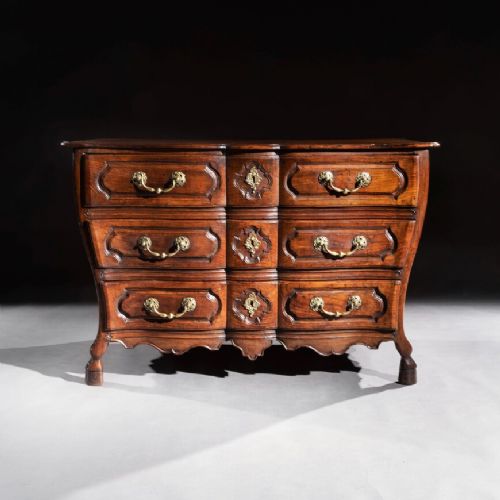
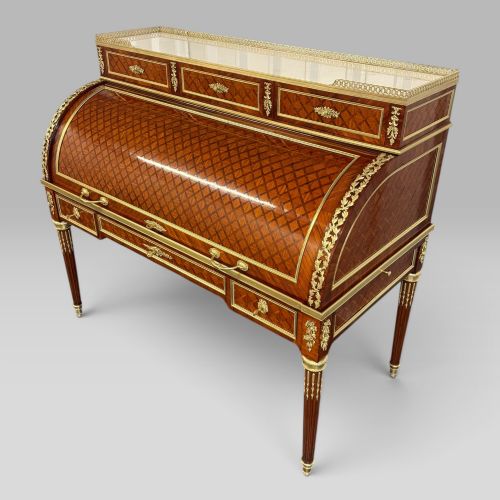
Construction relies heavily on traditional timber framing combined with metal elements, utilising woods such as walnut, kingwood, chestnut, oak, and satinwood. Cabinet makers applied detailed parquetry and marquetry inlay techniques to create patterned surfaces on commodes and writing tables.
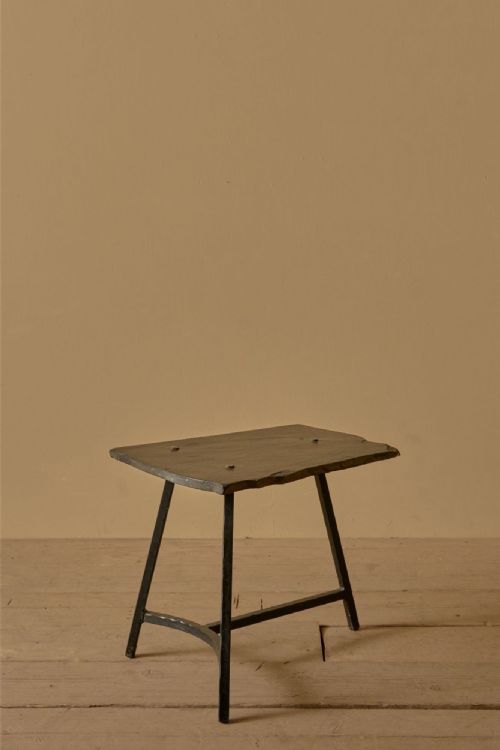
Metal mounts in brass and ormolu add structural reinforcement and decorative detail to tables, desks, and vitrines. Glass and slate appear alongside steel in specific side tables and etageres, reflecting a blend of industrial materials and classical forms.
Mid Century French Furniture Retail Price Guide 2026
Typical asking prices for mid century french furniture among the pieces listed under this phrase on Sellingantiques today, from the lower quarter to the upper quarter. They describe what is for sale here now, not the wider market.
Listings feature items spanning the eighteenth century through to the mid-twentieth century, constructed from oak, walnut, brass, and steel.
What varies in quality
Quality differences rest in the precision of the timber work and the fineness of the surface inlays, from simple solid oak constructions to complex kingwood parquetry. The integration of metal mounts, whether cast ormolu or simple brass framing, dictates the refinement of the piece.
The integrity of the original materials, such as burr walnut veneers or slate tops, separates standard utility pieces from high-status decorative objects. Proportion and the balance between functional storage and ornamental style determine the standing of each example.
Maison Baguès
The Mid Century French Furniture Glossary
- Parquetry
- A geometric mosaic of wood pieces used for decorative floors and furniture tops. It creates structured patterns across the surfaces of desks and commodes.
- Ormolu
- Gilded bronze applied to the mounts and feet of furniture. This technique adds metallic lustre to nineteenth-century cabinets and tables.
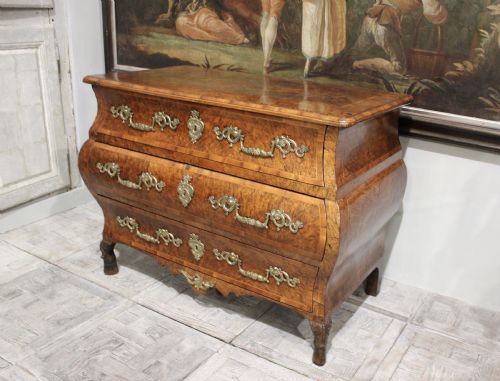
- Commode
- A low chest of drawers, typically standing on legs or a short base. Eighteenth-century examples often feature bombe shaped fronts and elaborate wood veneers.
- Etagere
- A set of open shelves for displaying small objects or books. These tiered stands frequently incorporate brass framing and multiple levels.
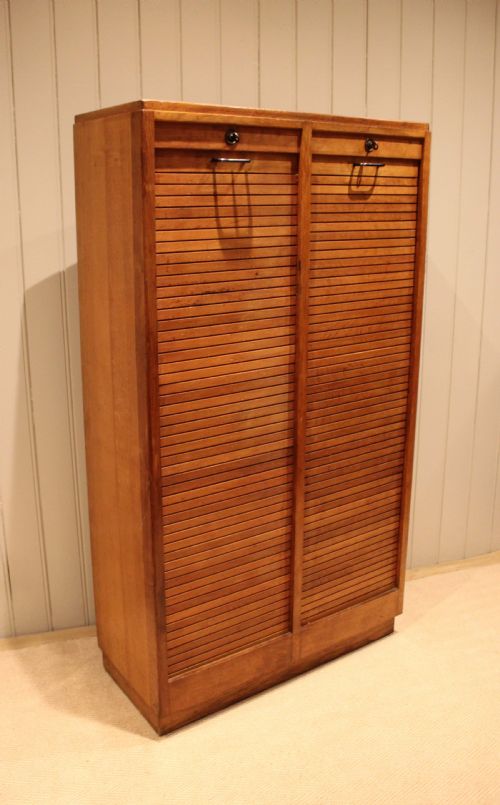
- Tambour
- A sliding door made of narrow vertical strips of wood glued to a canvas backing. This mechanism allows smooth closure on office and filing furniture.
Mid Century French Furniture: Frequently Asked Questions
How do I identify mid century french furniture?
Examination of materials, construction methods, and stylistic cues reveals the age and origin of each item. Look at the choice of woods, such as kingwood or walnut, alongside metal mounts and joinery techniques.
Comparing the proportions and decorative motifs against known revival styles or modernist designs helps determine whether a piece belongs to the eighteenth, nineteenth, or twentieth century.
How were these cabinets and tables used originally?
These items served functional domestic and professional roles in French households and offices. Commodes provided bedroom storage, while writing tables and cylinder desks accommodated correspondence.
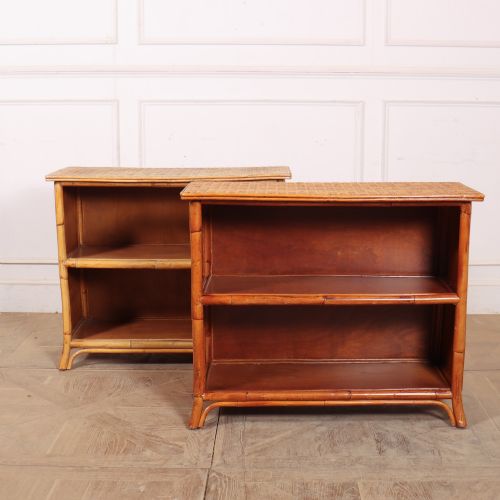
Filing cabinets and bookcases managed paperwork and libraries, and etageres displayed decorative objects in reception rooms.
Can I mix these pieces with modern interiors?
The varied styles, ranging from industrial steel frames to classical marquetry, allow these items to sit alongside contemporary furnishings. Their strong silhouettes provide contrast in minimalist spaces.
Using a single centre table or a low bookcase as a focal point integrates historical design into daily living without overwhelming a room.
How do I care for antique wood surfaces?
Routine maintenance involves dusting with a dry cloth and avoiding direct sunlight or excessive moisture. Preserving the natural finish of walnut, oak, and kingwood requires occasional appropriate wax application.
Keeping pieces away from direct heat sources prevents the timber and veneers from drying out or splitting.