

Mid Century Frame
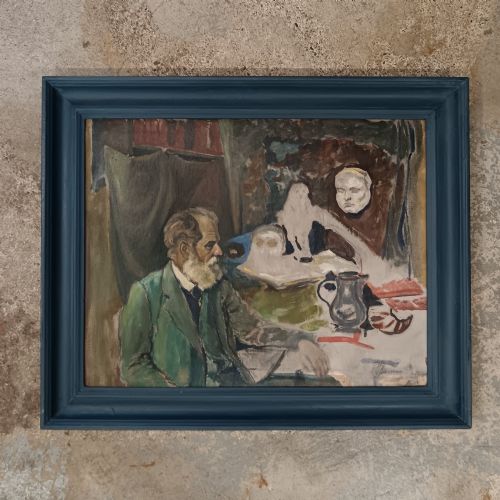
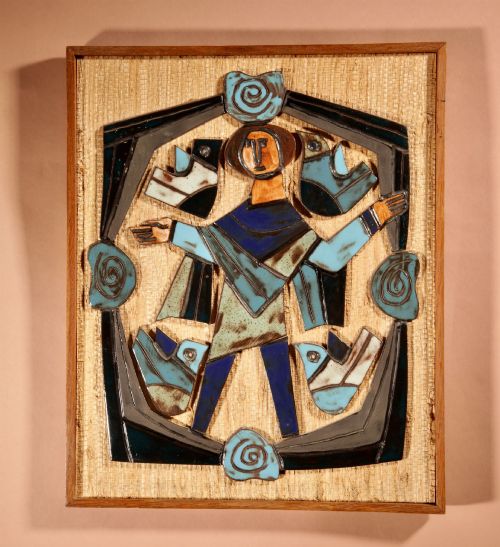
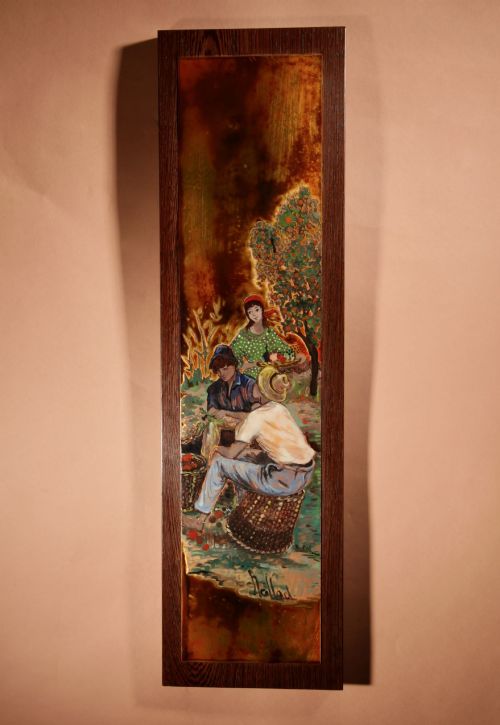
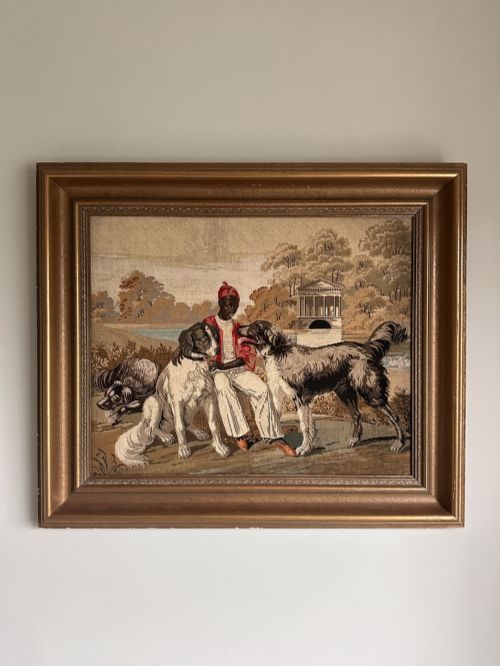
When you search for a mid century frame, you are looking at housings enclosing paintings, watercolours, and mirrors primarily from the middle decades of the twentieth century alongside earlier Victorian examples.
Mid Century Frame
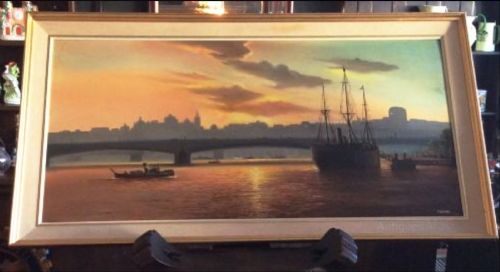
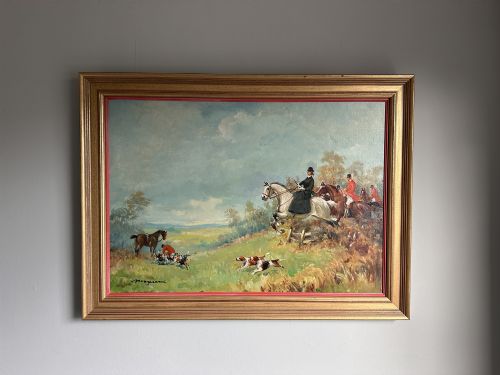
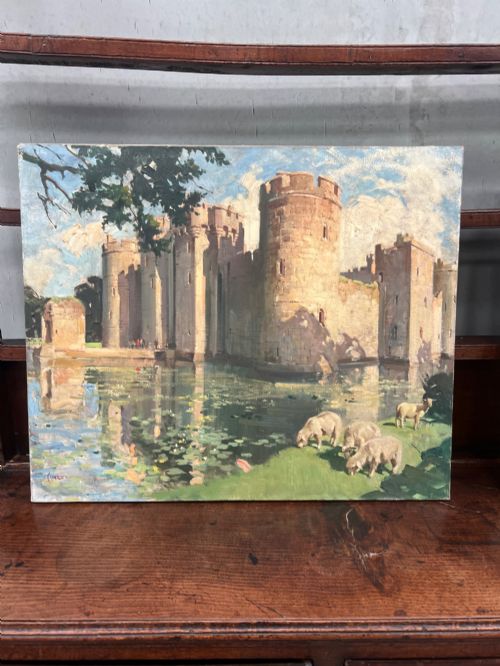
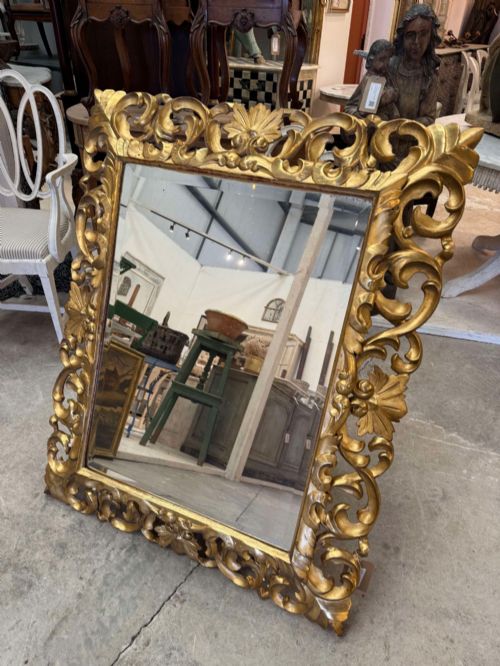
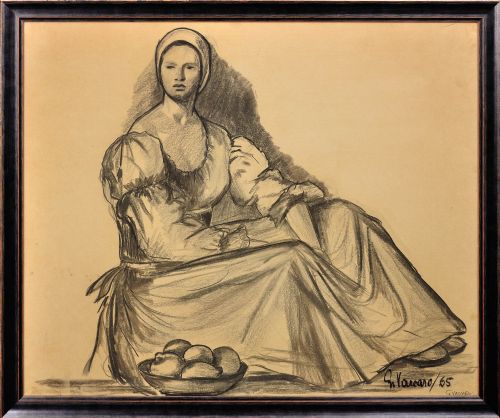
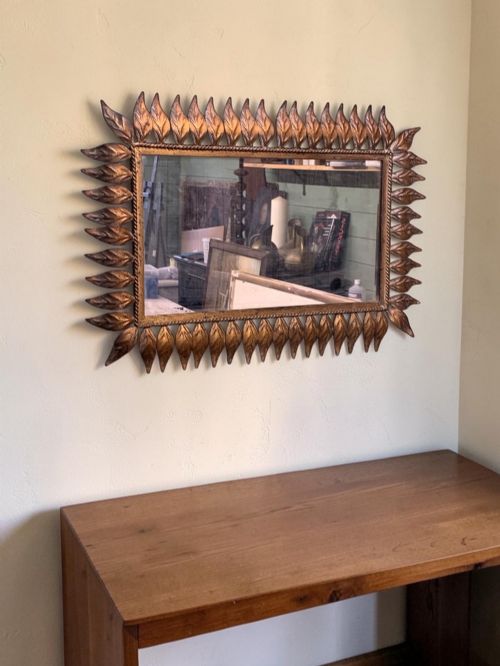
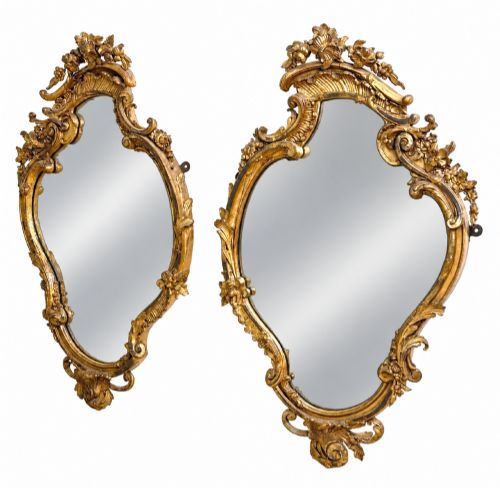
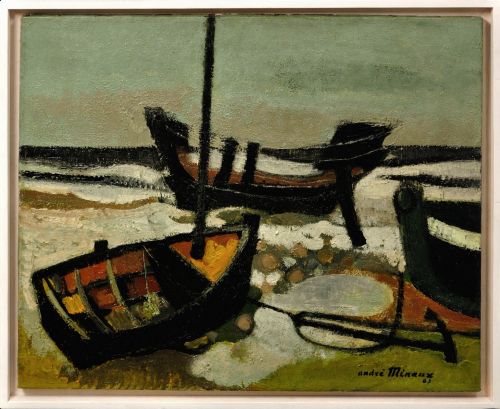
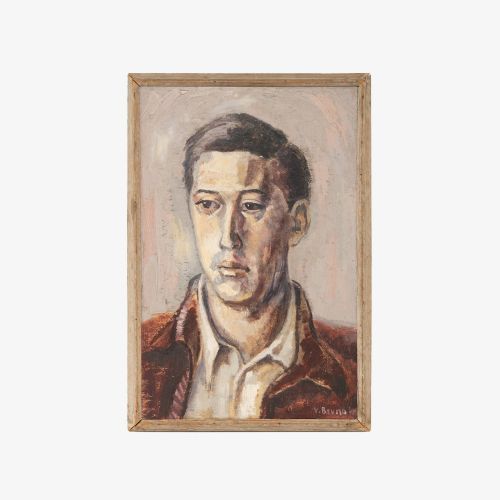
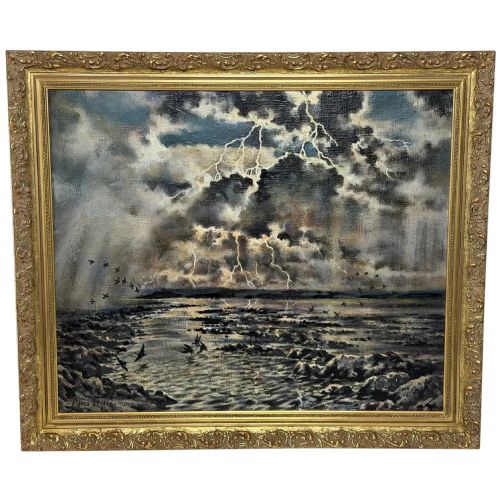
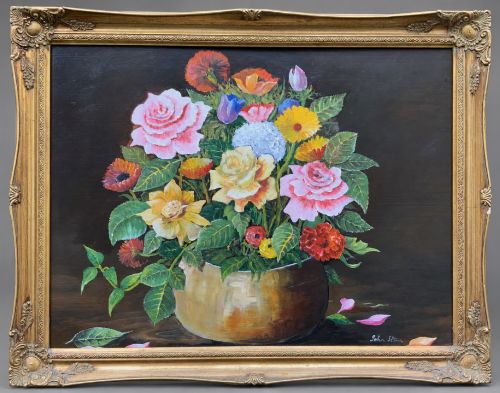
Mid century frame selections encompass structural housings for original paintings, watercolours, and wall mirrors originating predominantly from the 1940s, 1950s, and 1960s. These pieces often arrive paired with landscape and portrait works by artists such as Angus Rands and Kenneth Cozens.
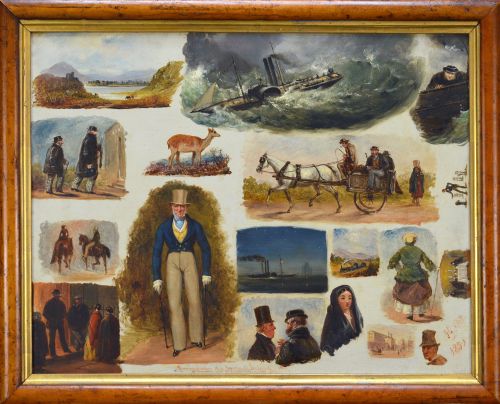
Buyers also encounter older Victorian variants, including maple frames housing nineteenth-century watercolours and gilt brass structures supporting coffee tables. The inventory bridges mid-century British and French modernism with nineteenth-century decorative arts.
How they were made
Makers utilised traditional timber construction alongside gilt finishes, incorporating wood, burr maple, and cherry wood. Canvases and panels received oil paint, tempera, or pastel drawings, whilst mirrors integrated glass and alabaster elements.
Joinery techniques ranged from standard framing mitres to robust industrial metalwork found in shelving racks and coffee table bases. Surface treatments combined painted polychrome details with polished wood grains.
Mid Century Frame Retail Price Guide 2026
Typical asking prices for mid century frame among the pieces listed under this phrase on Sellingantiques today, from the lower quarter to the upper quarter. They describe what is for sale here now, not the wider market.
A few frames quietly hold portraits of Victorian ladies who gaze past their modern surroundings with enduring disapproval.
What varies in quality
The distinction between tiers rests upon the harmony between the enclosure and its artwork, alongside the depth of material grain in the wood. Hand-carved mouldings and original gilding elevate standard production pieces.
Condition consistency across the timber surface and the retention of original glass or backing materials determine the standing of individual examples within the broader market.
Angus Rands·Fred Yates·Lionel Ellis·Sushila Singh·Donald McIntyre
The Mid Century Frame Glossary
- Maple frame
- A housing constructed from maple timber, known for its pale tone and dense grain. It often appears on nineteenth-century watercolours.
- Mid-Century Modern
- A stylistic movement spanning roughly from the mid-1930s to the mid-1960s, characterised by clean lines and functional forms. Pieces from this era reject heavy Victorian ornamentation.
- Watercolour
- A painting method where the paints consist of pigments suspended in a water-based solution. These works require protective glass glazing.
- Oil on canvas
- Pigments bound in a drying oil applied to a stretched fabric support. This combination dominates the painted works in the inventory.
Mid Century Frame: Frequently Asked Questions
How do I date a frame?
Dating relies on material construction, joinery methods, and the style of the enclosed artwork. Mid-century examples typically display simpler profiles than ornate nineteenth-century equivalents.
Examining the reverse of the piece often reveals historical fixings and backing boards that clarify the period.
Can I swap the artwork inside?
Most frames can accommodate alternative works if the depth and dimensions match the rebate. However, original period pairings are generally maintained to preserve historical integrity.
Forcing an incompatible canvas or watercolour risks damaging fragile antique timber housings.
How should I clean wood frames?
Gentle dusting with a dry microfibre cloth removes surface debris without harming the finish. Avoid commercial chemical sprays that can strip historic wax or paint.
Applying a specialist beeswax polish occasionally helps nourish dry timber surfaces on unpainted wood.
Are these pieces suitable for bathrooms?
High moisture environments can warp timber mouldings and degrade gilt or painted finishes over time. Wall mirrors are best placed in well-ventilated spaces to protect the backing and glass.
Watercolour paintings should strictly avoid humid locations due to paper degradation risks.