



Mid Century Folk Art
Mid century folk art brings together utilitarian pine containers and naive paintings that carry the unvarnished hand of regional makers.
Mid Century Folk Art
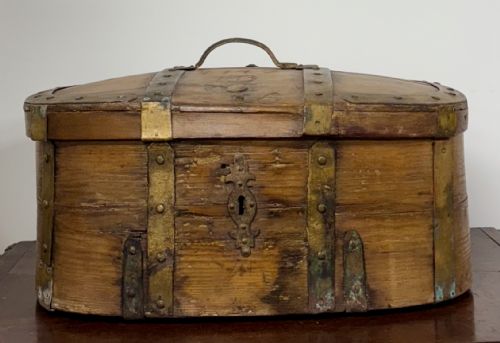
Mid century folk art encompasses both functional household wooden objects and painted works originating from rural traditions. These pieces include painted pine strong boxes, dome top coffers, and storage chests alongside oil and mixed media paintings.
The objects span multiple centuries, merging 18th and 19th century Scandinavian and British pieces with mid 20th century paintings and sculptures. Pine storage containers and benches dominate the material forms alongside framed canvases.
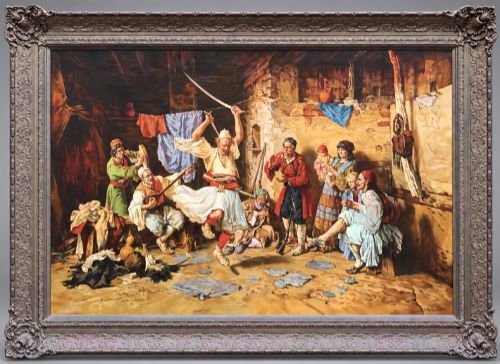
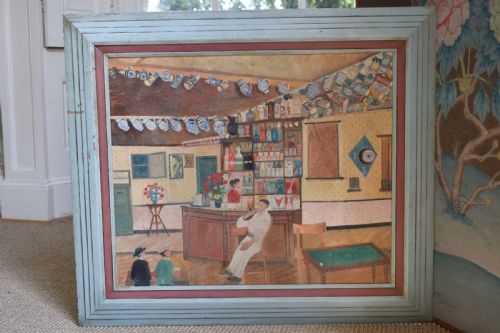
Provincial and naive schools provide the visual language for the paintings, depicting portraits, farm landscapes, and domestic scenes. Regional variations from Sweden, Sicily, and America define the geographic spread of the items.
Materials and construction
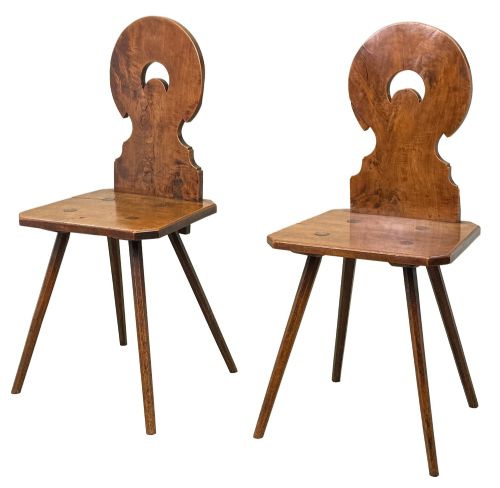
Makers relied primarily on native pine, oak, and wrought iron to construct heavy domestic storage pieces such as coffers, strong boxes, and cupboards. Carpenters joined these pine carcases simply, often incorporating metal banding for structural strength.
Surfaces received layers of oil paint, frequently applied by hand to create decorated finishes on boxes, cradles, and benches. Painters utilised oil on canvas, board, and paper for naive portraits and landscapes, applying pigments directly without academic convention.
Mid Century Folk Art Retail Price Guide 2026
Typical asking prices for mid century folk art among the pieces listed under this phrase on Sellingantiques today, from the lower quarter to the upper quarter. They describe what is for sale here now, not the wider market.
Materials span oil paint, canvas, wrought iron, and pine across furniture and framed paintings.
Judging the work
Quality rests upon the integrity of the original painted surface and the spontaneity of the naive execution. Untouched hand-painted decoration on pine chests holds greater visual strength than heavily restored or later surfaces.
The expressive power of naive portraits and landscape paintings dictates their standing within the field. Direct, uninhibited brushwork in oil or mixed media separates compelling provincial pieces from rigid academic copies.
Gertrude Halsband·Irene Lagut
The Mid Century Folk Art Glossary
- Naive art
- Visual work produced by artists without formal training, characterised by a childlike perspective and flat perspective. This style relies on intuitive composition rather than academic rules.
- Coffer
- A large wooden chest used historically for storing valuables, linens, or documents. These storage boxes often feature hinged dome tops and hand-painted regional decoration.
- Strong box
- A heavily constructed wooden container reinforced with iron straps and secure locking mechanisms. Makers built these chests to safeguard precious household goods.
- Suzani
- A type of embroidered tribal textile created in Central Asia. These silk needlework pieces display traditional folk motifs and decorative patterns.
- Oil on board
- A painting executed on a rigid wooden or cardboard support rather than stretched canvas. This medium appears frequently in provincial and naive works.
Mid Century Folk Art: Frequently Asked Questions
What is folk art?
Folk art comprises utilitarian objects, paintings, and sculptures created by self-taught makers working within regional traditions. These items reflect local customs rather than academic art trends.
The category bridges decorative utility and cultural expression, encompassing everything from painted pine chests to naive portraits.
How were painted pine chests used?
Painted pine chests served as primary storage units in domestic interiors for textiles, valuables, and provisions. Families kept these heavy coffers in bedrooms and living spaces.
Iron brackets and locks protected the contents, while decorative paintwork marked important household possessions.
How do I identify naive paintings?
Naive paintings show simplified forms, flat perspective, and an absence of standard academic training in anatomy and depth. Artists focused on narrative clarity and direct emotional impact.
Brushwork remains unpretentious, capturing scenes of domestic life, landscapes, and portraits with immediate charm.
Where did Scandinavian folk pieces originate?
Scandinavian folk pieces originate from rural communities in Sweden and surrounding regions where traditional craftsmanship persisted through centuries. Local makers constructed utilitarian forms from readily available pine.
Hand-painted floral and geometric motifs decorated these functional domestic items, distinguishing pieces by region.