


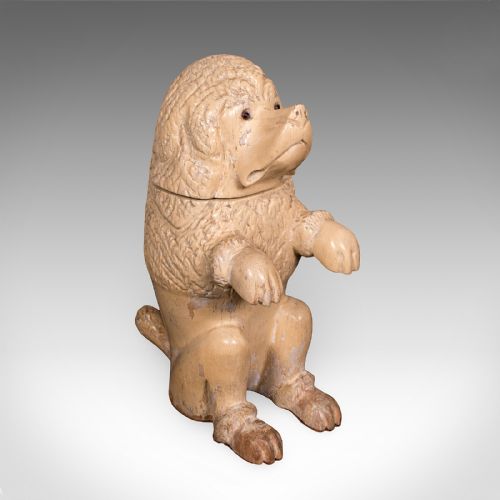


Vintage Treen Box
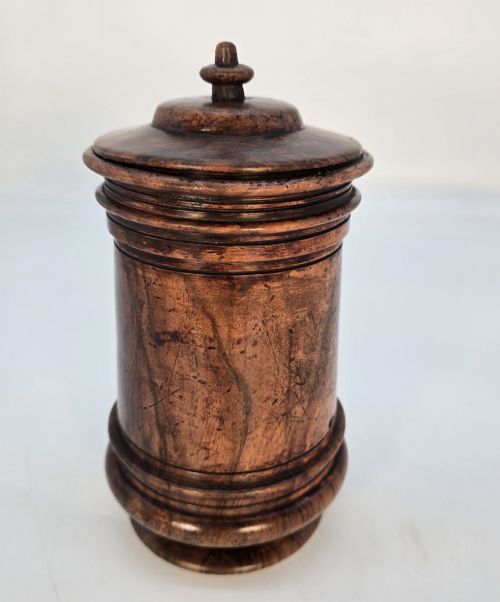
A vintage treen box is a small wooden container shaped for snuff, spices, or string, prized for tactile warmth and historical utility.
Vintage Treen Box
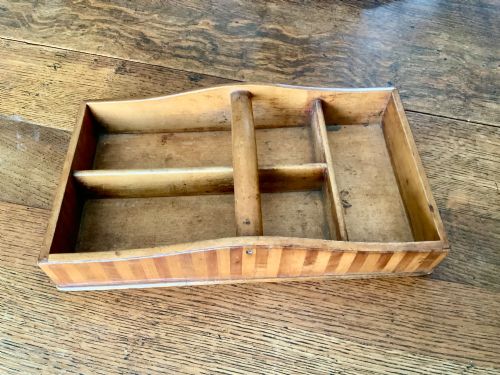
When you search for a vintage treen box, you encounter small utilitarian wooden objects created for domestic, medical, and personal use across the eighteenth and nineteenth centuries. These pieces encompass specialised forms including spice towers, tobacco jars, string dispensers, and pocket snuff boxes shaped like shoes or bottles.
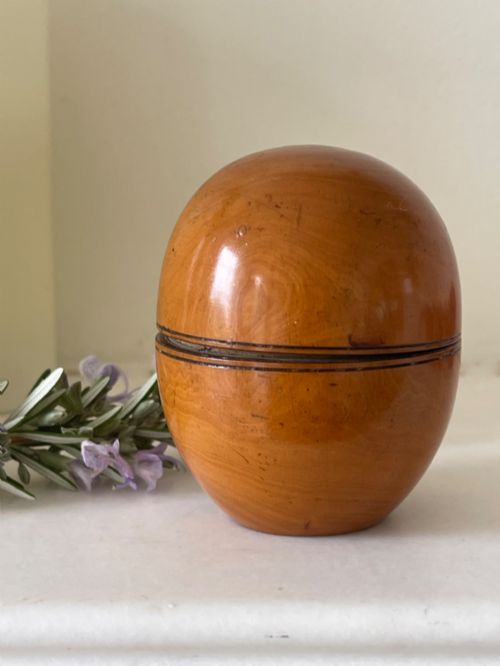
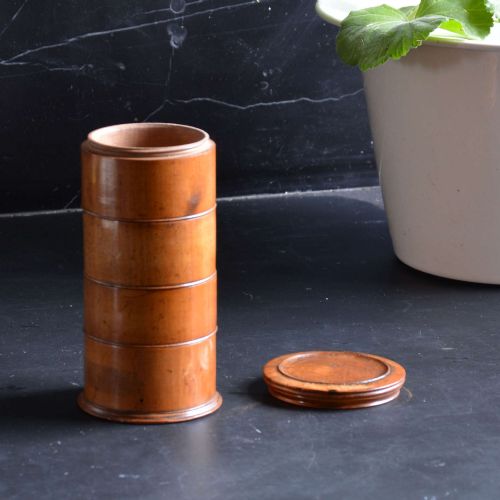
The version you are most likely to meet on this page is a turned fruitwood or boxwood container from the Victorian or Georgian periods. Such items range from plain turned vessels to elaborately carved folk art pieces and multi-tiered spice towers.
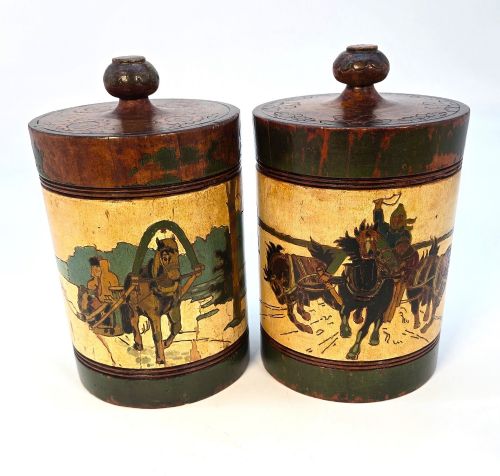
Originating from British workshops alongside continental examples such as Russian painted containers, these objects reflect the widespread application of turning and carving to everyday materials. Each form served a distinct domestic function before surviving as a collector's item.
How they were made
Maker's workshops relied on dense hardwoods such as boxwood, fruitwood, mahogany, walnut, and lignum vitae, chosen for stability and fine grain. These timbers were worked on a lathe to create symmetrical barrels and round containers, or hand-carved for figural and naive subjects.
Construction techniques combined cooperative stave work for larger tobacco boxes with tight-fitting turned lids and multi-tier nesting sections for spice towers. Surface treatments ranged from natural polished finishes to hand-painted decorations and inlaid details.
A tiny wooden shoe can hold your snuff.
What varies in quality
Quality in these small wooden objects rests upon the crispness of the turning, the precision of the fit between lid and base, and the preservation of the original surface patina. Superior examples retain their intended inner fittings, such as original silver linings in pill silvers or complete nesting tiers in spice towers.
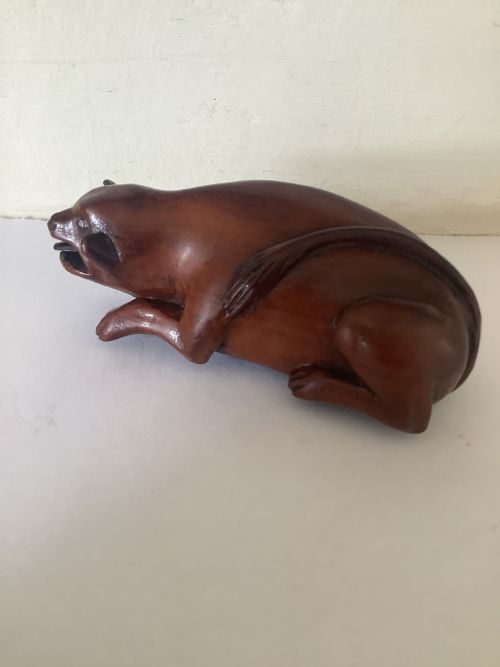
Artistic expression also separates standard utility items from better pieces, visible in the competency of naive carving, figural shaping like shoe snuff boxes, and detailed painted decoration. The choice of timber influences desirability, with dense boxwood and figured fruitwood commanding greater attention.
The Vintage Treen Box Glossary
- Treen
- Small handmade wooden objects for domestic use. The term derives from the old word for tree.
- Spice tower
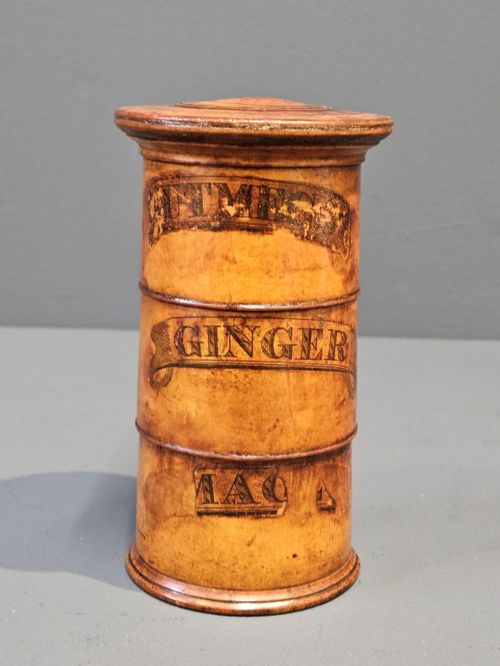
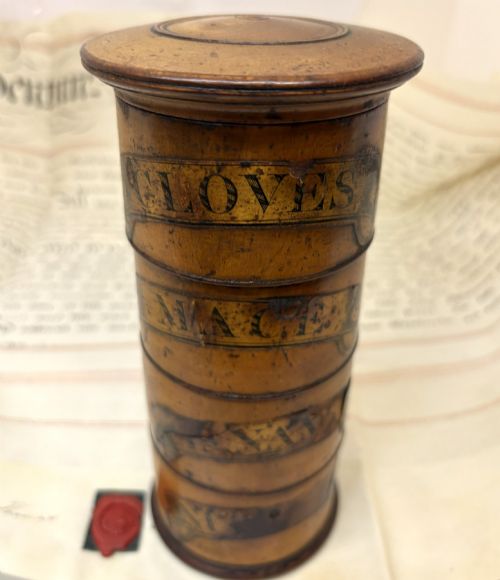
- A multi-sectioned turned wooden container designed to hold various culinary spices. Individual tiers stack securely together on a central threaded spindle or friction fit.
- Lignum vitae
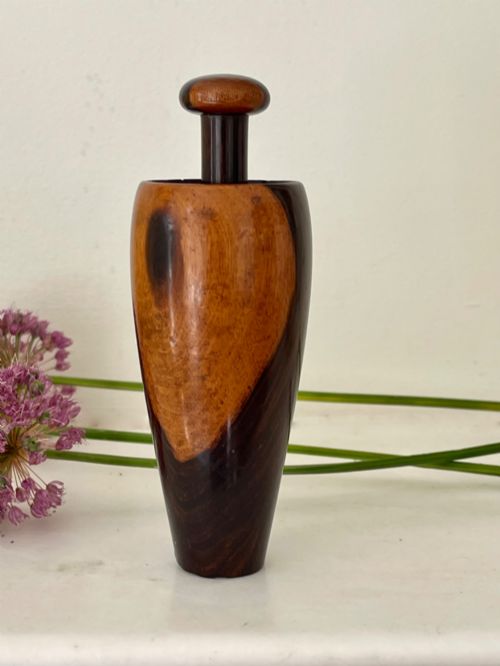
- A dense, heavy subtropical hardwood used for turned barrels and containers. It sinks in water and takes a high natural polish.
- String barrel
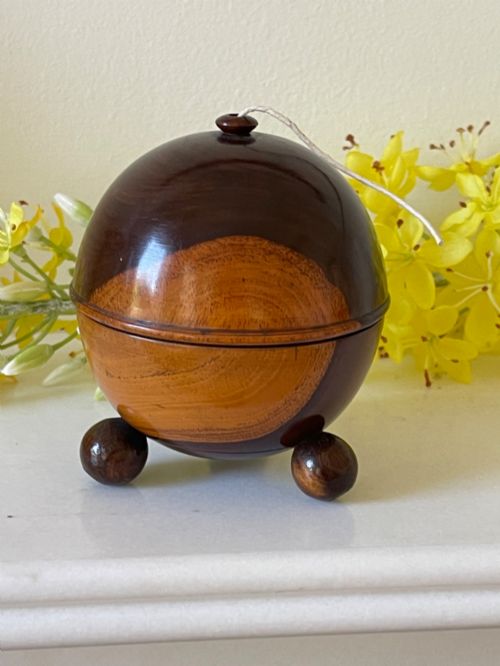
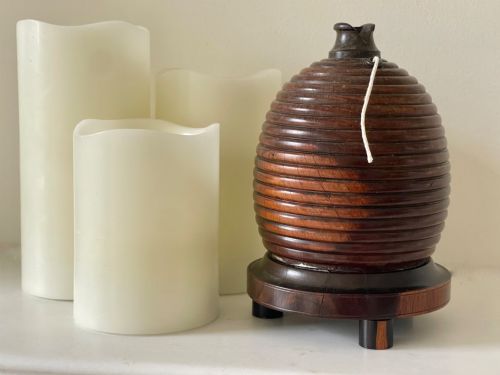
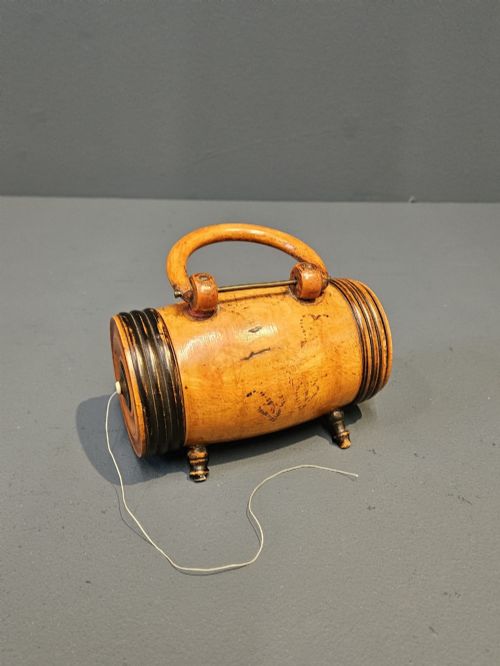
- A hollow turned container designed to dispense twine through a central aperture in the lid. These were common kitchen and desk accessories in the nineteenth century.
- Snuff box
- A small pocket container intended to hold powdered tobacco. Examples take geometric forms or fanciful shapes like shoes and bottles.
Vintage Treen Box: Frequently Asked Questions
What is treen?
Treen refers to small utilitarian wooden objects made by turning or carving. These items served everyday domestic, personal, and professional functions.
The category includes items like spice towers, tobacco jars, string holders, and snuff boxes produced before the era of mass plastics.
How were spice towers used?
Spice towers held multiple powdered spices in stacked, interlocking wooden compartments. Cooks and households kept them close at hand for daily food preparation.
Each tier separated to dispense a different flavour while keeping the contents contained and dry.
How do I date an antique wooden box?
Dating relies on identifying the timber species, the tool marks left by lathes or hand knives, and the specific domestic form. Georgian and Victorian pieces often show distinct turning profiles and wear patterns.
Fittings, hinges, and linings also provide clues to the manufacturing decade.
Are these boxes waterproof?
These containers were built to store dry goods like tobacco, spices, pills, and string rather than liquids. Dense hardwoods resist moisture to a degree, but unsealed joints allow water to pass.
Using them for liquids can warp the wood and ruin historical finishes.