



Pine Trinket Box
These pine trinket box pieces are small storage containers holding keepsakes and small valuables, prized for their compact charm and traditional craftsmanship.
Pine Trinket Box
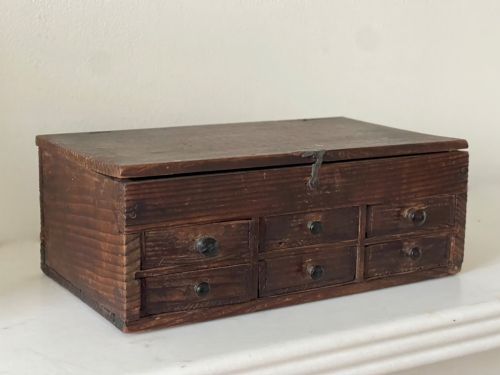
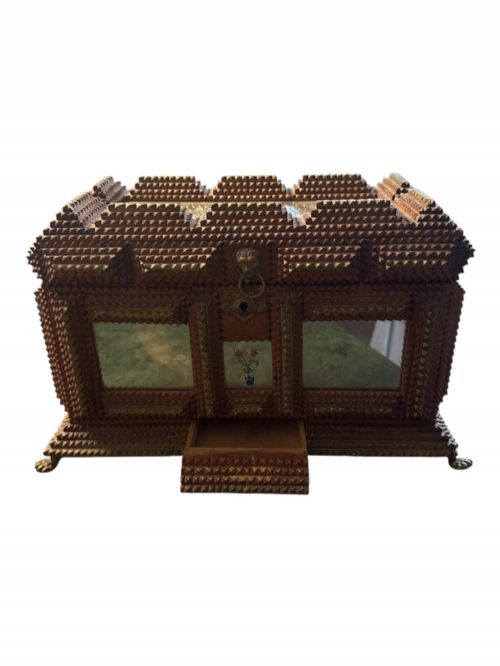
Most examples you meet on this page take the form of small painted trunks, domed caskets, and folk art boxes. These compact objects served various everyday storage needs before becoming decorative collectables in modern homes.
Origins stretch across British and European traditions, incorporating Scandinavian folk art and industrial workshop pieces. The selection ranges from miniature chests of drawers to sweetheart tramp art boxes made with patient carving.
How they were made
Makers utilised solid pine planks joined with simple carpentry techniques suited to small household objects. Iron, brass, and wrought iron hardware such as hinges and latches provided functional reinforcement.
Many surfaces carry original paint finishes applied by hand, sometimes featuring layered pigments or folk motifs. Velvet linings occasionally appear inside to protect delicate contents.
Pine Trinket Box Retail Price Guide 2026
Typical asking prices for pine trinket box among the pieces listed under this phrase on Sellingantiques today, from the lower quarter to the upper quarter. They describe what is for sale here now, not the wider market.
An engine company tool box from the First World War proves that even industrial mechanics appreciated a tidy container.
What varies in quality
The survival of original surface decoration distinguishes standard utility containers from finer folk art examples. Boxes retaining their early or original paint schemes hold greater visual interest for collectors.
Construction intricacy also marks the difference between basic storage containers and elaborate miniature furniture or tramp art pieces. The dexterity shown in chip carving and dovetailed joints demonstrates the maker's skill.
The Pine Trinket Box Glossary
- Pine
- A softwood commonly utilised for utilitarian boxes and chests throughout the eighteenth and nineteenth centuries. It provides a stable base for painted decoration.
- Tramp art
- A style of woodworking where small items are constructed from scrap wood using chip carving techniques. It was often practised by itinerant artisans.
- Folk art
- Utilitarian and decorative objects created by self-taught makers within traditional community styles. These pieces often feature vibrant painted surfaces.
- Sarcophagus box
- A small storage container shaped with a sloping or domed lid reminiscent of a classical stone coffin. This design was popular during the Victorian era.
Pine Trinket Box: Frequently Asked Questions
What were small pine boxes used for?
These small containers stored precious personal items, sewing accessories, and keepsakes in the home. Watchmakers and mechanics also used specialised small boxes for tools and components.
Over time, these practical vessels transitioned from everyday utility items into decorative display pieces and popular collector objects.
How do I date an old pine box?
Examining the construction methods, hardware types, and wood patination helps establish the period of a piece. Machine-cut nails generally indicate later nineteenth-century manufacture, while hand-wrought iron points toward earlier origins.
Original paint surfaces and regional style markers also provide clues to the approximate decade or century of creation.
What is tramp art?
Tramp art is a form of decorative woodwork popular from the late nineteenth to the mid-twentieth century. Makers carved geometric notch patterns into scrap wood using pocket knives.
Sweetheart boxes and miniature chests created in this style display intricate layered chip carving.
How do I care for antique pine?
Keep painted and unpainted wooden boxes away from direct sunlight and extreme humidity fluctuations. Dust gently with a dry, soft cloth without applying modern chemical polishes.
Preserving the original surface requires minimal intervention and careful handling of delicate iron or brass hinges.