



Mid Century Figure Study
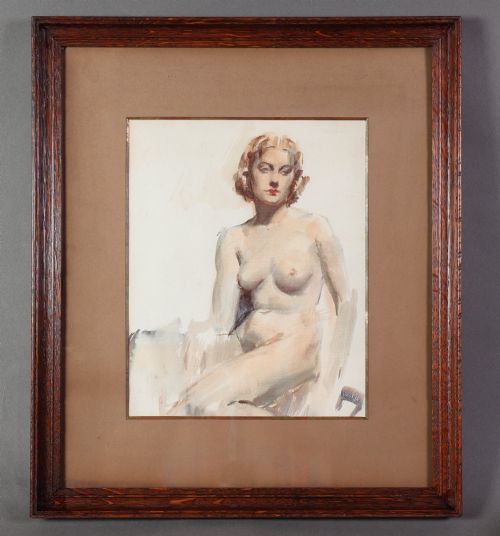
A mid century figure study captures the human form with direct observation, offering collectors intimate glimpses into mid-century life and artistic practice.
Mid Century Figure Study
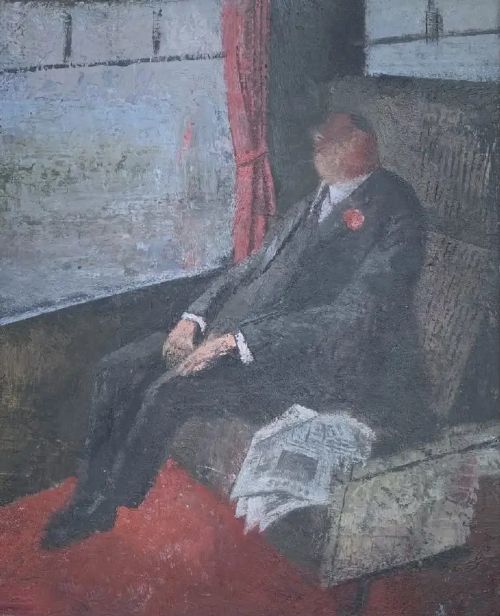
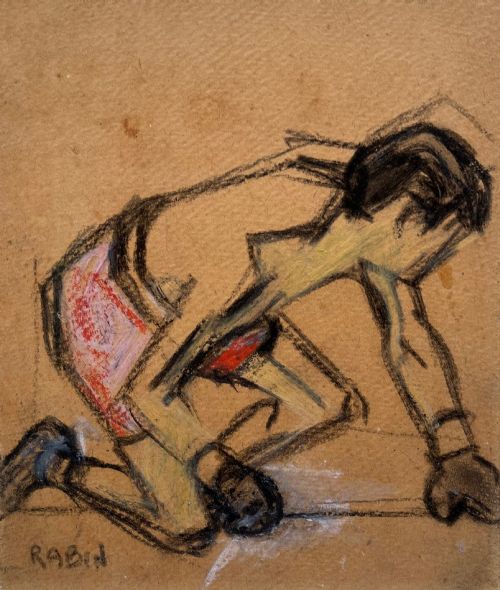
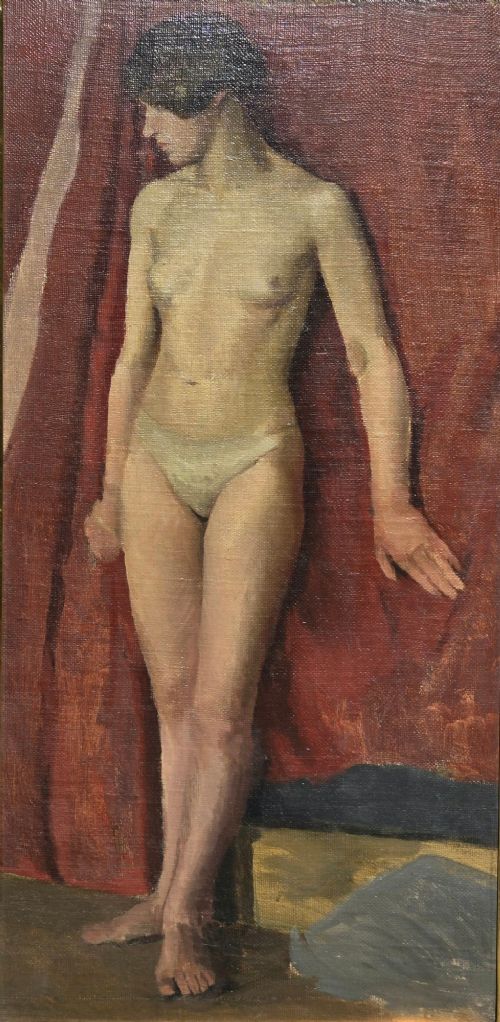
A mid century figure study represents human forms captured through painting, drawing, and sculpture predominantly across the middle decades of the twentieth century. These works range from academic life studies to expressive interpretations by British and European artists.
Buyers encounter oil paintings on canvas, pastel portraits, and graphite or ink drawings originating from studio sessions. The selection spans minimalist sketches to large-scale studio interiors featuring models.
Works on this page stretch from earlier academic traditions into post-century expressionism and modern British movements. The focus remains squarely on the human body rendered through varied stylistic lenses.
Materials and execution
Artists relied upon oil paint on canvas or canvas laid on board, alongside charcoal, chalk, ink, and graphite on paper. These traditional media allowed for both rapid gestural sketching and layered studio compositions.
Support materials include prepared canvas, paper sheets, and occasional wooden panels or carved oak elements. The handling of these materials reveals the direct working methods of twentieth-century studios.
Cats and doves occasionally share the studio floor with reclining models.
Assessing the work
Quality rests in the sureness of the line and the confidence of the brushwork, where the artist captures volume and gesture with economy. Stronger examples display an assured handling of tone and anatomical structure rather than mere finished detail.
The distinction between a standard student exercise and a accomplished studio piece lies in the psychological weight and compositional balance of the subject. Provenance and documented artist attribution further elevate individual works.
Samuel Rabin·Winifred Rymer·Liberty And Co·Peter Jackson·Lucien Freud·A L Barye·Yetta Kane·Raymond Arthur Roadnight·Frank Dobson·Markey Robinson
The Mid Century Figure Study Glossary
- Life study
- A drawing, painting, or sculpture executed directly from a live human model. These pieces document academic training and direct studio observation.
- Academic realism
- A style of painting and sculpture produced under the influence of academies, emphasising accurate anatomy and traditional techniques. It forms the foundation for many nineteenth and twentieth-century figure studies.
- Chiaroscuro
- The use of strong contrasts between light and dark, usually bold contrasts affecting a whole composition. This technique gives figures a three-dimensional volume.
- Animalier
- A nineteenth-century artistic genre dedicated to the realistic portrayal of animals. Works in this category often involve detailed bronze casting.
- Canvas
- A closely woven heavy fabric used as a support surface for oil paintings. It provides the texture and durability standard in mid-century studio works.
Mid Century Figure Study: Frequently Asked Questions
What defines a figure study?
A figure study is a preparatory or standalone artwork focused on rendering the human body. Artists use these pieces to examine anatomy, gesture, and lighting.
These works provide insight into studio practices and academic training across different decades.
How do I care for works on paper?
Works on paper require protection from direct sunlight to prevent fading and yellowing. Framing with acid-free mounts and UV-filtered glass preserves the medium.
Keep these pieces in stable humidity environments away from damp walls.
How do I date an unsigned study?
Dating relies on stylistic markers, framing methods, and the type of paper or canvas support used. Mid-century works often reflect post-war modernist or expressive tendencies.
Examine the back of the canvas or paper for old inscriptions, studio stamps, or framer marks.
Where were these pieces created?
These studies originate primarily from artist studios, art schools, and academy training sessions. Many reflect British and European schools of the twentieth century.
The environment was typically an indoor studio with controlled lighting for live models.