
Mid Century Figurative Art
Mid century figurative art captures human forms through the expressive brushwork and linework of the nineteen-fifties and nineteen-sixties.
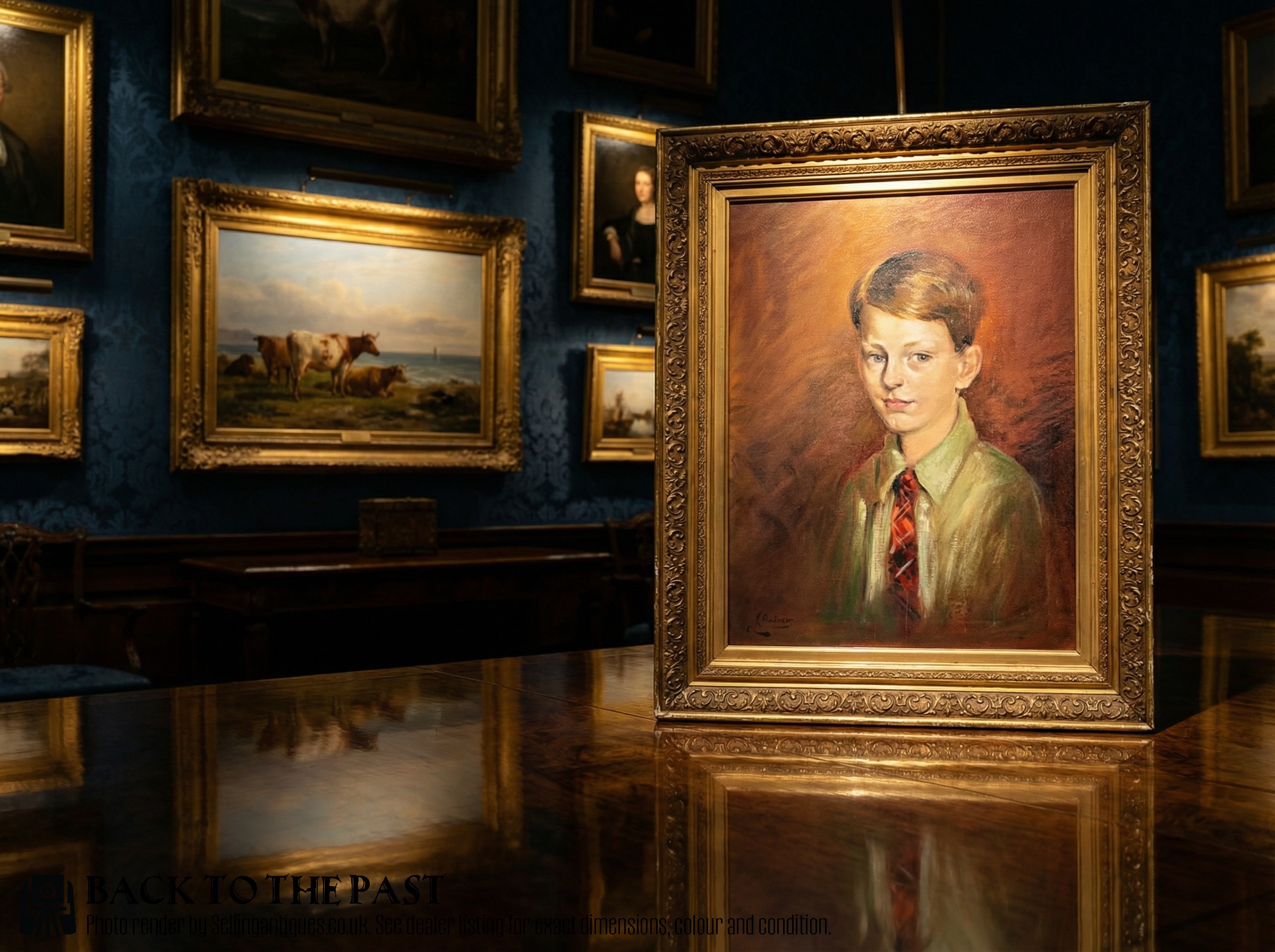
What mid century figurative art is
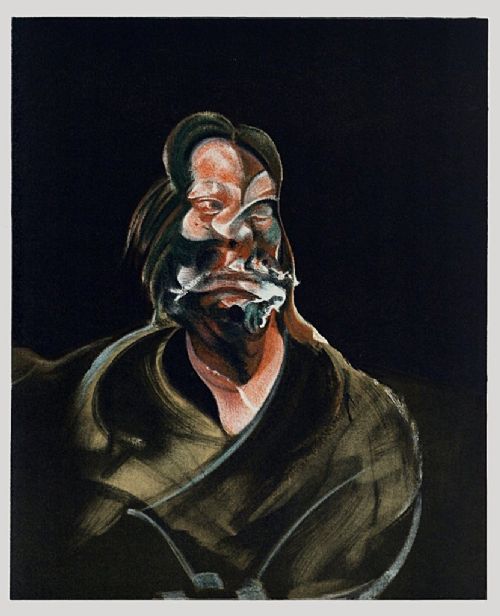
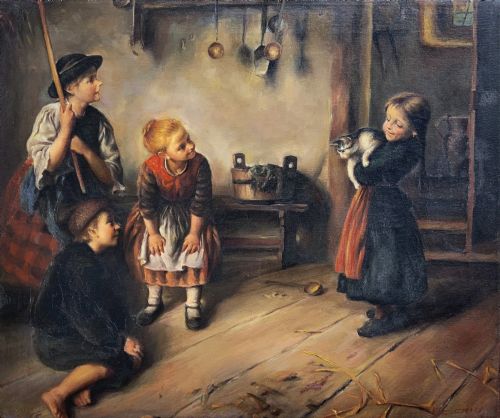
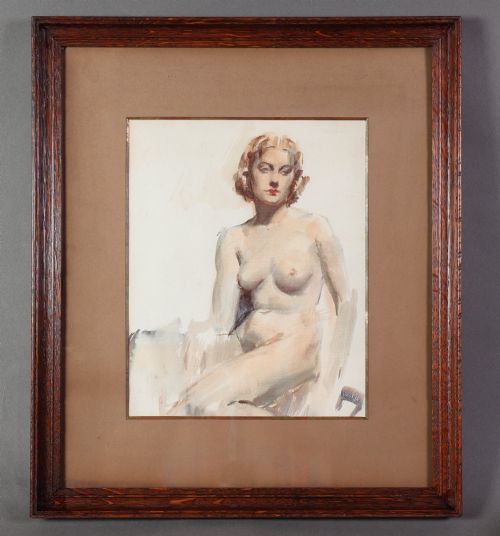
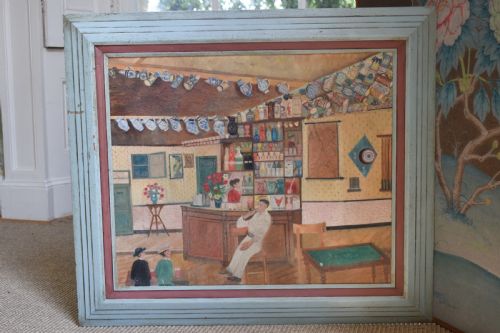
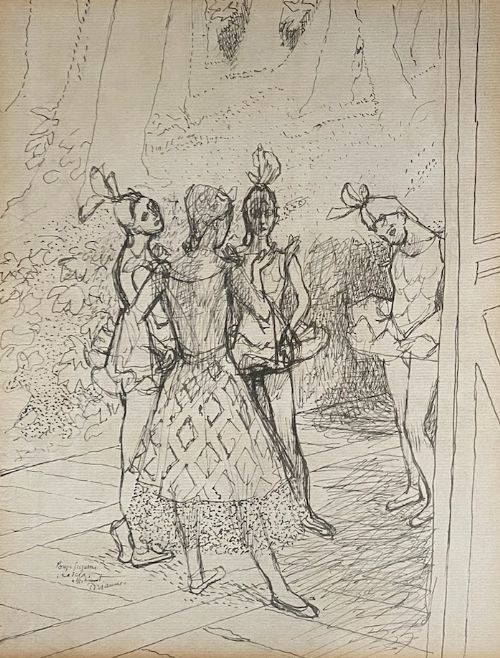
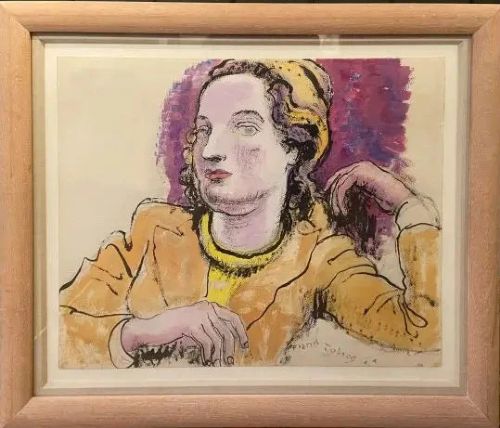
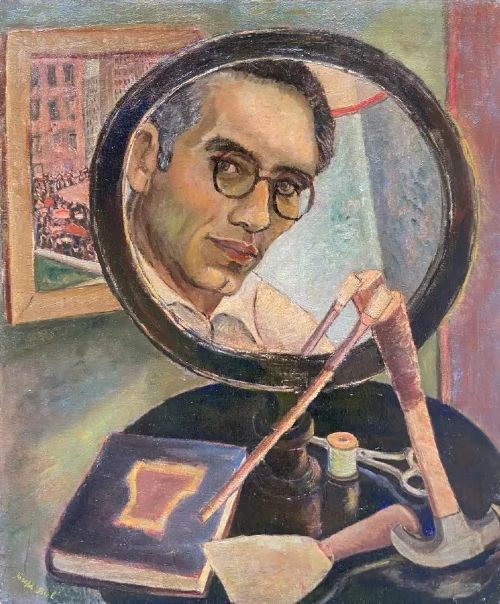
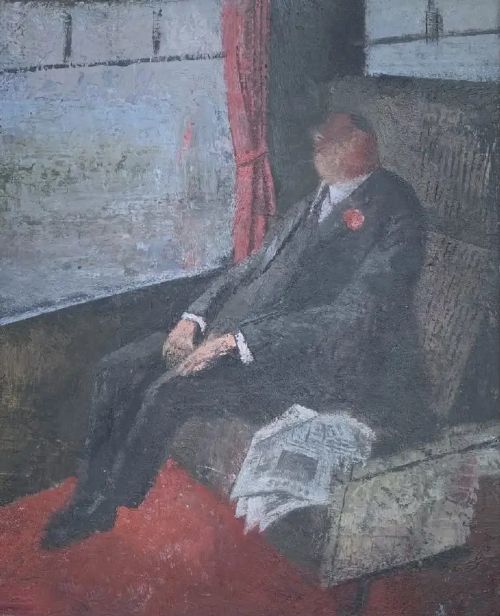
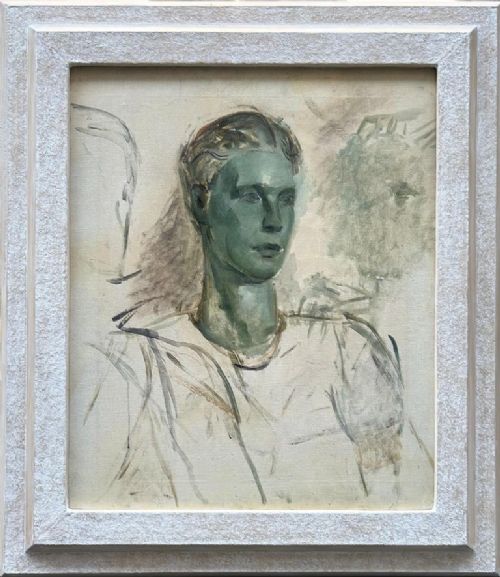
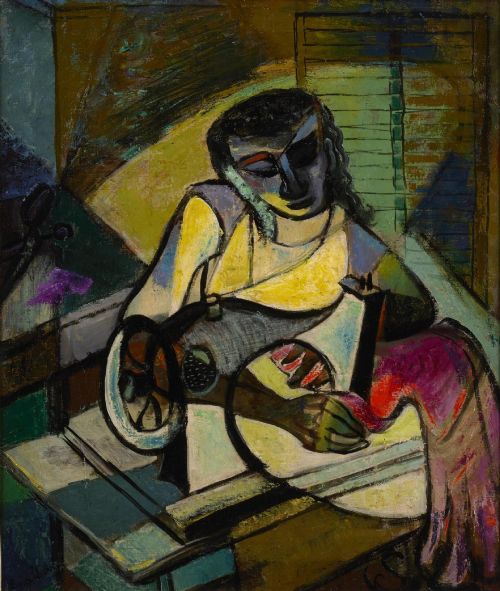
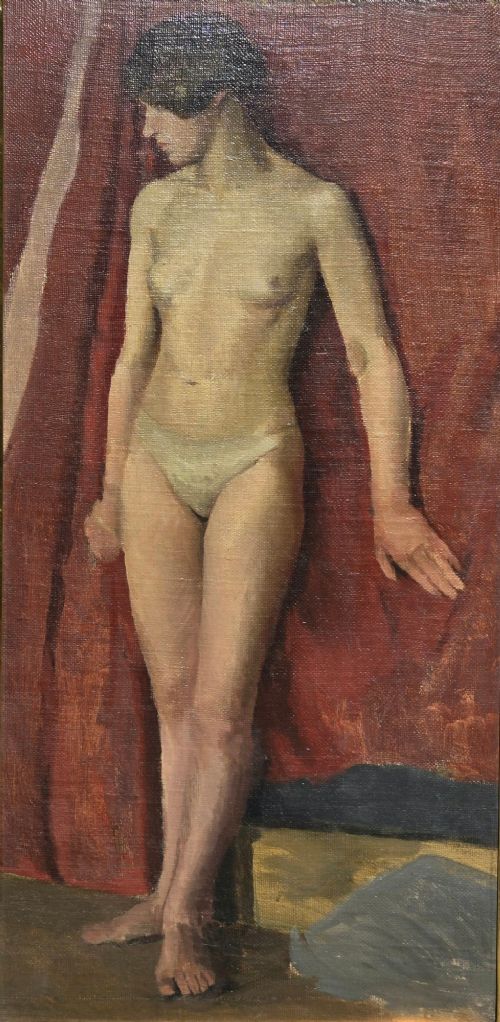
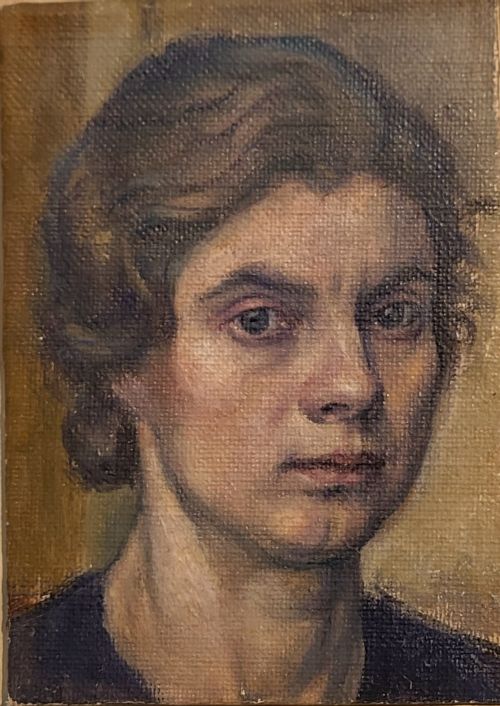
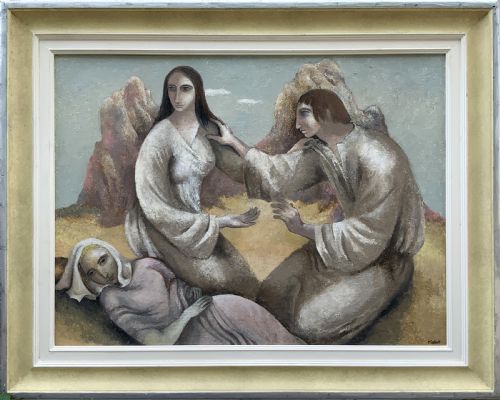
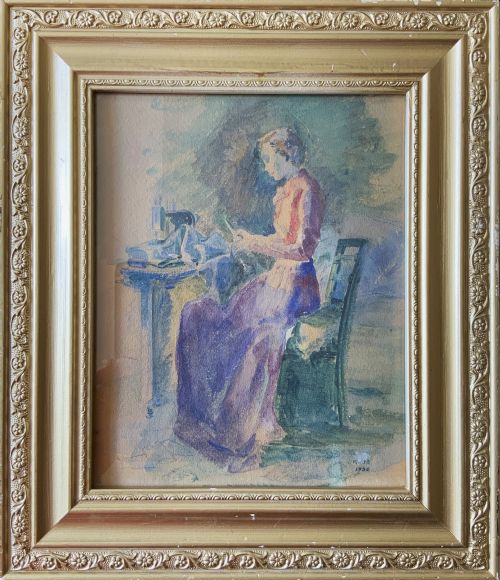
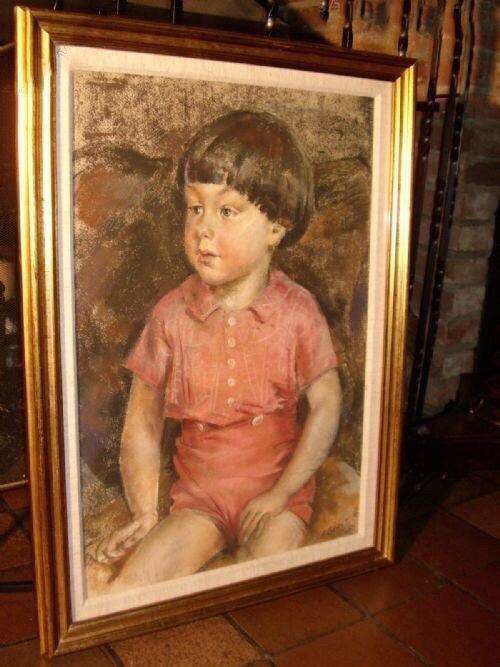
Mid century figurative art encompasses original drawings, paintings, and wall art produced during the nineteen-fifties and nineteen-sixties. These works focus centrally on human subjects, ranging from dancers backstage to portraits and reclining figures.
The pieces on this page originate from the mid-century modern and mid-century expressionism styles. Buyers encounter both careful line studies on paper and bolder oil paintings on canvas and wood boards.
Depicted subjects include dancers, young boys, bathers, and reclining nudes. Each piece offers a direct view into the artistic preoccupations of the mid-twentieth century.
How these pieces were made
Artists utilised traditional mediums such as oil paint and ink applied to supports like canvas, paper, wood, and plaster. These materials dictate the texture and weight of each composition.
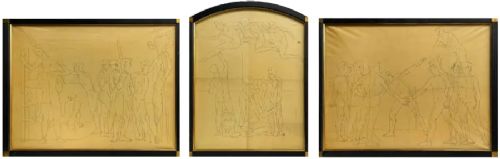
Drawings rely on fluid ink lines on paper to capture gesture and movement quickly. Oil paintings build up richer surfaces on canvas or wood using layered pigment.
Retail Price Guide 2026
Typical UK retail prices for mid century figurative art, calculated from the Sellingantiques database of over a million retail prices indexed since 2003. This retail price guide relies exclusively on Sellingantiques data; no external sources or auction records are used, so the figures do not describe the wider market.
The materials in these listings include canvas, oil paint, wood, ink, paper, and plaster.
Understanding quality in figurative works
Quality rests upon the confidence of the line and the sureness of the brushwork in capturing the human form. Stronger examples display an economy of marks that convey posture and weight decisively.
The choice of medium and support also shapes the visual presence of the work. Skilled handling of oil paint or ink transforms simple subjects into compelling character studies.
Maurice Brianchon·Peter Jackson·Kenneth B Malpass·John Osborn
The Mid Century Figurative Art Glossary
- Figurative art
- Art that retains strong references to the real world and particularly to the human figure. This category contrasts with purely abstract compositions.
- Expressionism
- A style where the artist distorts reality for an emotional effect rather than aiming for photographic representation. It relies on bold marks and vivid application of paint.
- Medium
- The materials used by the artist to create a work, such as oil paint, ink, or canvas. Understanding the medium explains the physical ageing and preservation of the piece.
- Support
- The underlying surface upon which the artwork is painted or drawn, including paper, wood, and canvas. Each material interacts differently with pigments and inks over time.
Frequently Asked Questions
What is mid century figurative art?
Mid century figurative art consists of paintings and drawings from the nineteen-fifties and sixties that portray human subjects. These works use styles like expressionism to capture the character and form of people.
They serve as direct records of mid-century artistic techniques and visual culture.
How do I care for these paintings?
Protect oil paintings and paper drawings from direct sunlight and high humidity. Keep them away from extreme temperature shifts to preserve the canvas and paper supports.
Framing works behind glass offers additional protection for ink drawings on paper.
Where should I hang these pieces?
These works suit neutral walls where their distinct brushwork and linework can draw focus. Pairing them with mid-century interior spaces enhances their visual context.
Ensure the hanging wall does not receive direct afternoon sun to protect the pigments.
How are oil paintings and drawings different?
Oil paintings feature layered pigments on canvas or wood, offering rich textures and deep colour. Drawings utilise ink or similar mediums on paper to emphasise line and gesture.
Both approaches offer different insights into the artist's working method.