





Mid Century Enamel Pin
A mid century enamel pin delivers bright colour and neat metalwork, making these small brooches ideal for lapels and collars.
Mid Century Enamel Pin
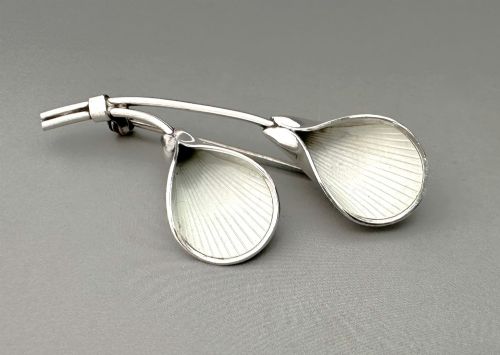
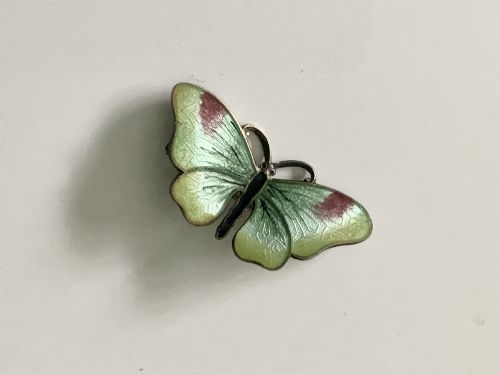
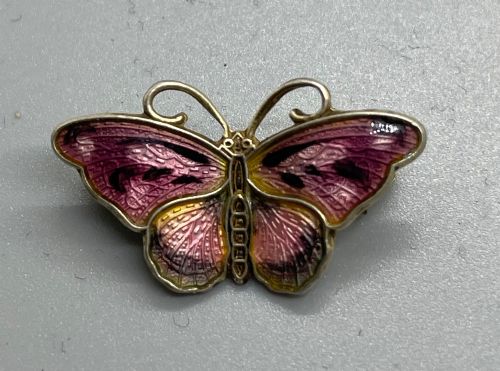
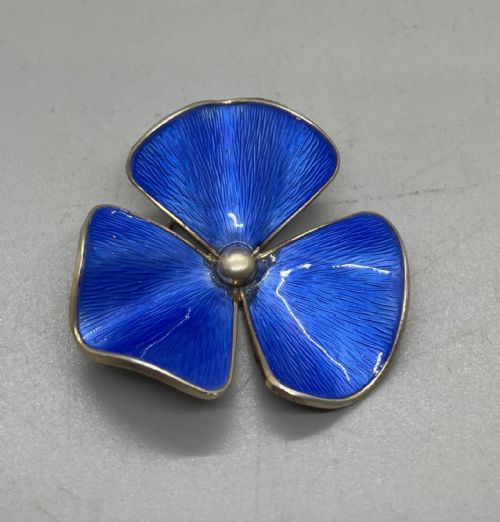
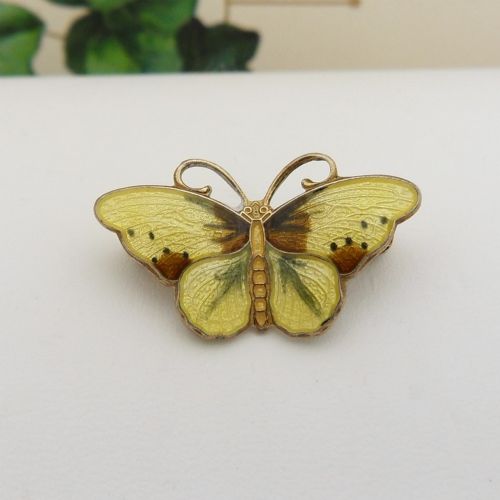
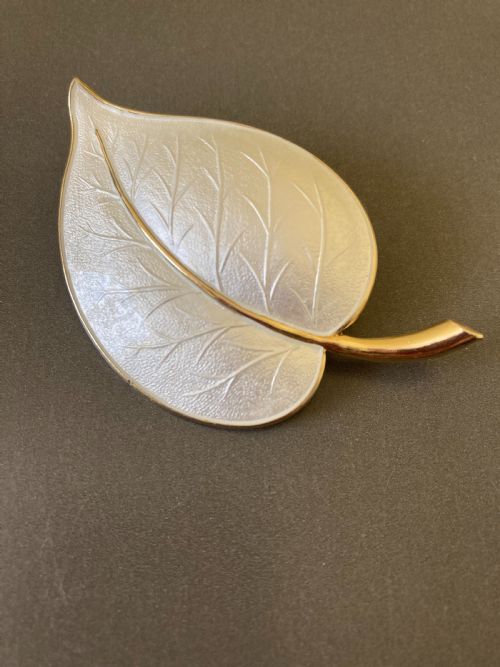
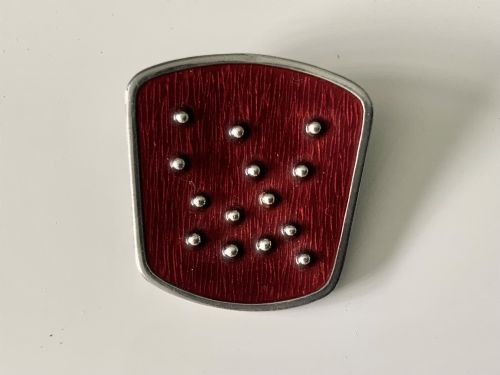
When you search for a mid century enamel pin, you encounter small brooches and bar pins originating mostly from Norway and Denmark during the nineteen-forties, fifties, and sixties. These pieces take the form of flowers, butterflies, and abstract Scandinavian designs, often measuring quite petite.
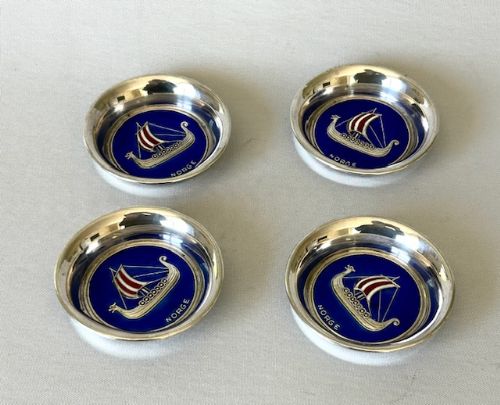
The selections available here lean heavily toward Scandinavian Modern aesthetics produced in silver and silver gilt. Alongside standard brooches, you also find matching trinket dishes configured as pins.
How they were made
Workshops utilised sterling silver, silver gilt, and gold vermeil as the foundational metals for these brooches. Artisans applied vitreous enamel or standard enamel, frequently over guilloche engine-turned patterns that created shimmering geometric textures beneath translucent red or coloured layers.
Makers shaped the metal into delicate flower petals and butterfly wings before firing the enamel coatings at high temperatures. The resulting pieces combined bright surface colours with secure pin mechanisms fastened to the reverse.
An Intelligence Corps pin proves that even spies needed a splash of mid-century enamel style.
What varies in quality
Quality rests upon the crispness of the guilloche engraving beneath the translucent enamel and the precision of the metalwork forming the floral or insect motifs. Finer examples display smooth, even enamel surfaces without pooling or dimples.
Attribution to documented designers and workshops elevates a piece, as does the choice of heavier silver gilt or gold vermeil over standard silver.
Aksel Holmsen·A H Darby And Son·Hroar Prydz
The Mid Century Enamel Pin Glossary
- Guilloche
- A decorative engraving technique that etches precise geometric patterns into metal. This patterned base shines through translucent enamel layers to create depth.
- Vitreous enamel
- Glass fused to metal through high-temperature firing. This material provides durable colour and a glossy finish.
- Silver gilt
- Sterling silver coated with a thin layer of gold. This treatment adds a warm tone to the underlying metal.
- Bar brooch
- A slender horizontal pin design popular during the mid-century decades. These pieces span lapels cleanly.
Mid Century Enamel Pin: Frequently Asked Questions
What periods do these pins cover?
The pieces span the nineteen-forties, fifties, and sixties. Most originate from the mid-century modern design boom in Scandinavia.
Production methods remained consistent across these decades, focusing on silver and coloured enamel.
How were these enamel pins worn?
Buyers pinned them to lapels, collars, hats, and scarves as decorative highlights. Some versions also functioned as small trinket dishes.
Their petite scale allowed for versatile placement on daily garments.
Which motifs are most common?
Flowers and butterflies dominate the selections, alongside abstract Scandinavian Modern shapes. Red is a frequent enamel colour choice.
Naturalist subjects reflect the mid-century fascination with organic forms.
Are these pieces made of solid silver?
Many utilise sterling silver, often finished with gold gilt or vermeil coatings. This metalwork supports the fired enamel layers.
Backs and pins are typically marked to indicate the silver content.