
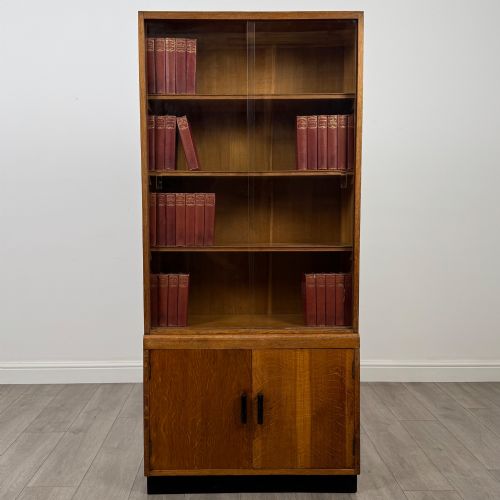
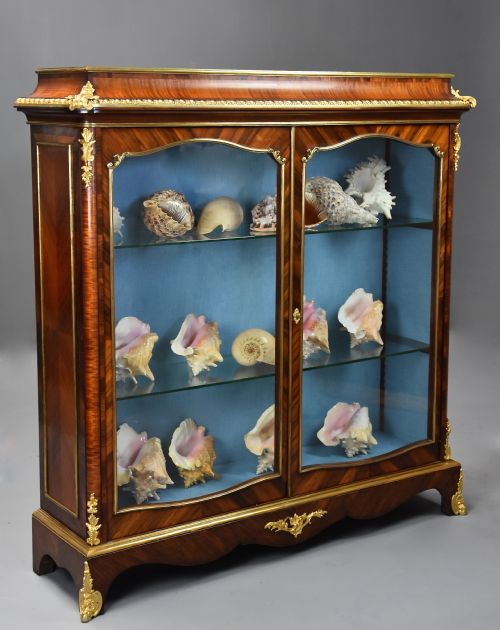
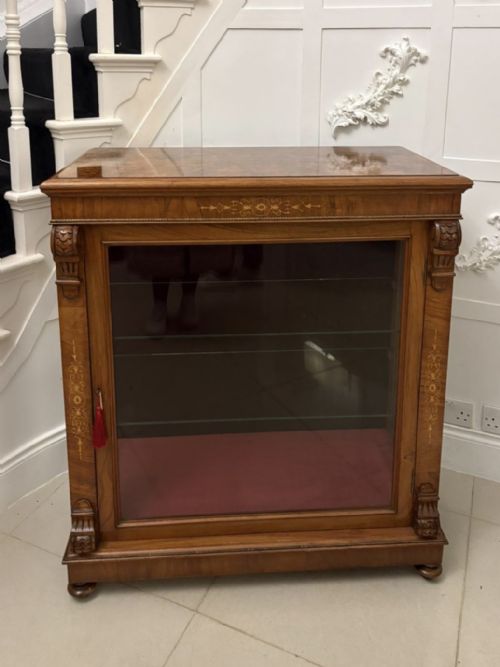
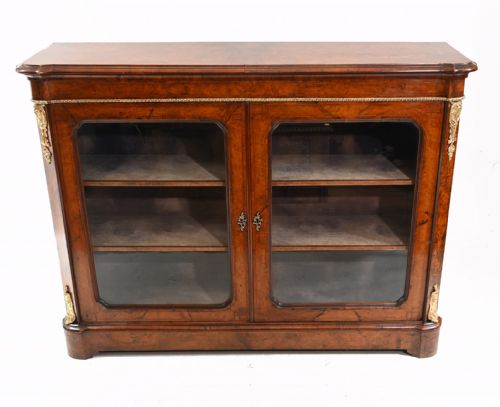


Mid Century Display Cabinet
A mid century display cabinet organises and protects treasured objects behind glass, bringing both utility and visual poise to a room.
Mid Century Display Cabinet
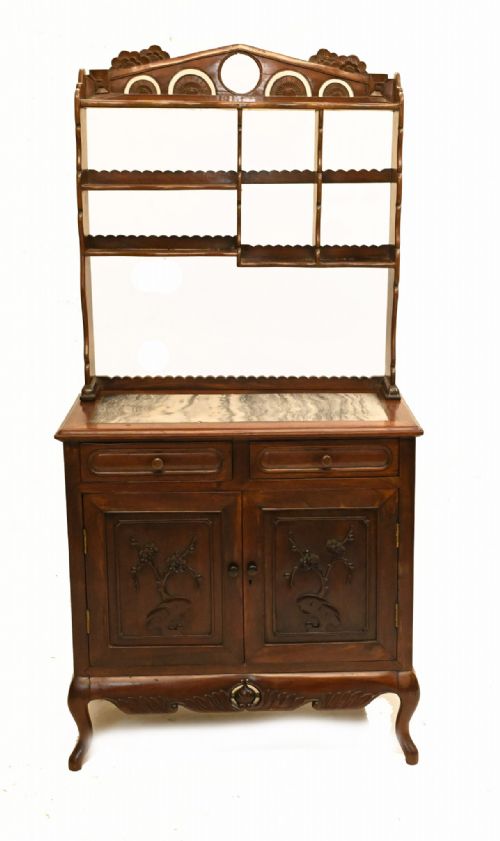
When you search for a mid century display cabinet, you enter a field populated largely by Victorian, Edwardian, and twentieth-century variations that utilise glass and timber to showcase contents. While the phrase suggests a strict mid-century modern origin, the available pieces span styles from French Rococo Revival and Art Deco to Chinese Qing Dynasty and Victorian Gothic Revival.
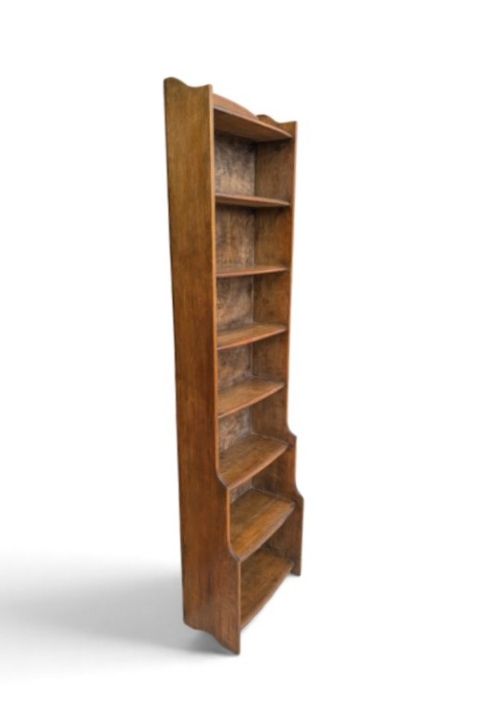
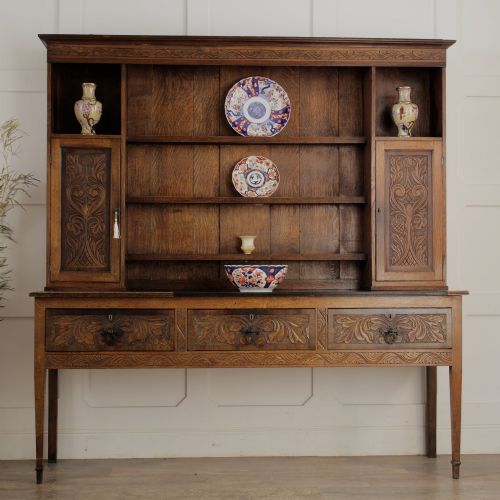
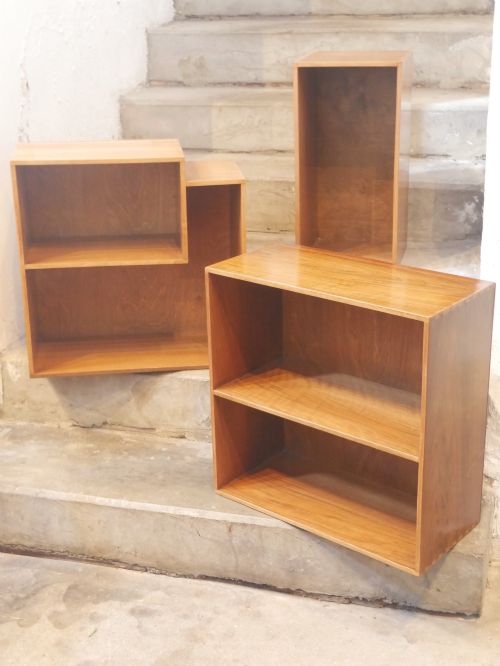
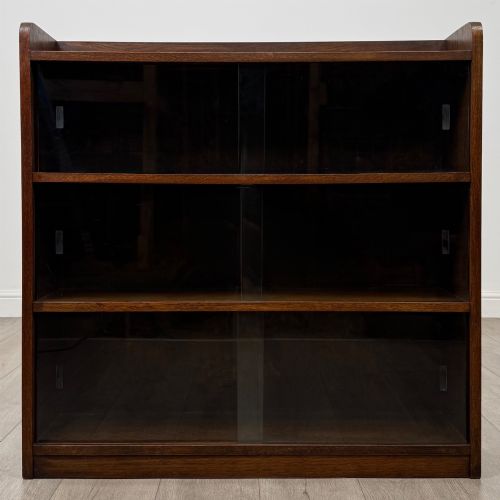
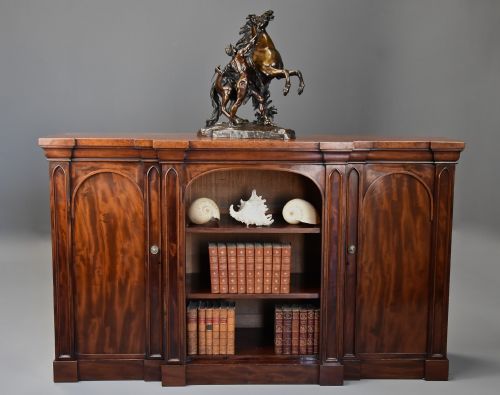
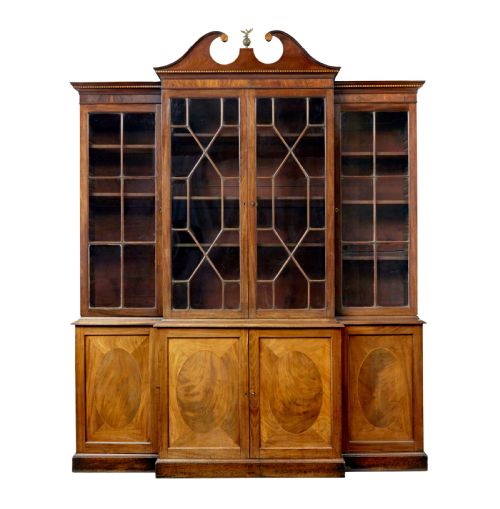
The most common forms you meet on this page are upright display cabinets, bookcases with glazing, pier cabinets, and credenzas. These storage pieces often feature polished wood frames designed to highlight porcelain, glassware, or books while keeping dust at bay.
How they were made
Makers constructed these cabinets using dense hardwoods such as oak, mahogany, walnut, burr walnut, rosewood, kingwood, and ebony, frequently applying intricate veneers and brass or ormolu mounts. Glazing is fundamental, framing the contents with transparent panels supported by timber frameworks or cast metal details.
Joinery techniques ranged from straightforward panel construction to elaborate marquetry inlay and carved decorative motifs. Surface finishes relied on polishing to bring out the natural grain and colour of the timber, whether golden oak or dark flame mahogany.
Listings span oak, mahogany, walnut, rosewood, and kingwood across Victorian, Edwardian, and twentieth-century periods.
What varies in quality
Quality rests upon the selection of timbers and the precision of decorative details, such as hand-carved mouldings, cast ormolu mounts, and fine marquetry inlay. Superior cabinets demonstrate careful matching of wood veneers and robust structural joinery that maintains smooth door alignment.
The sophistication of the glass panels and the refinement of internal fittings, including specialised shelving or specialised drawers, distinguish standard production items from exceptional workshop creations.
Heals·Phoenix Gallery·Arthur Reynolds Of Ludlow·John Ridgway·Minton·Druce And Co
The Mid Century Display Cabinet Glossary
- Credenza
- A low cabinet or sideboard, often fitted with glass doors or decorative mounts, originating for dining room storage. They frequently incorporate display space for porcelain and silver.
- Ormolu
- Gilded bronze ornamentation applied to furniture, popular in French and revival styles. This decorative technique adds metallic lustre to timber cabinets.
- Pier cabinet
- A narrow cabinet designed to stand against the wall space between windows. These pieces often feature glazed doors to showcase collectible plates and small objects.
- Breakfront
- A piece of furniture whose central section projects forward from the flanking wings. This architectural arrangement creates depth and visual rhythm in large bookcases.
- Vitrine
- A glass-sided cabinet specifically designed for displaying fine porcelain and curiosities. The term emphasises complete visibility from multiple angles.
Mid Century Display Cabinet: Frequently Asked Questions
What is a mid century display cabinet used for?
These cabinets serve to house and exhibit collections of ceramics, glassware, books, or decorative objects. The glass doors protect sensitive items from dust while allowing full visibility.
They function as both storage furniture and decorative focal points within living spaces, dining rooms, and libraries.
How do I style a glass display cabinet?
Arranging items with varying heights and materials creates balance behind the glass panels. Grouping similar objects together prevents visual clutter.
Leaving empty space around prized pieces allows the timber frame and glass structure to remain visible.
How do I identify the period of a cabinet?
Cabinet styles often reveal their era through characteristic decorative details, such as Gothic Revival tracery or Art Deco geometric lines. Timber choices and hardware construction also offer clear clues to the date of manufacture.
Comparing the joinery methods and secondary woods helps confirm whether a piece belongs to the nineteenth or twentieth century.
Are these cabinets suitable for small rooms?
Narrow formats like pier cabinets and low sideboards occupy minimal floor space while providing vertical storage. Glass panels reflect light and prevent the furniture from feeling heavy in compact interiors.
Choosing lighter oak or fruitwood finishes further helps keep a small room feeling open.