

Mid Century Ceramic
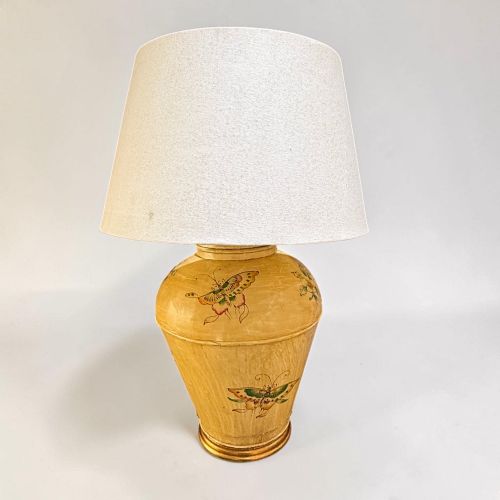
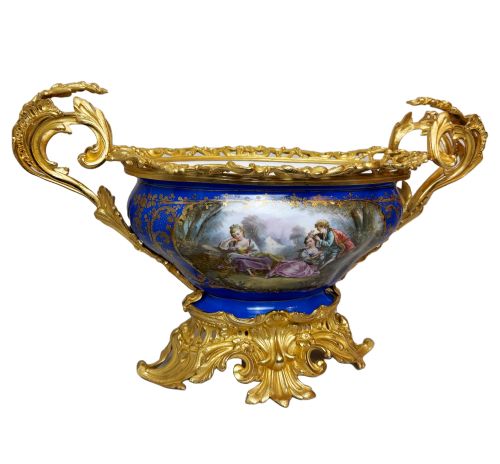
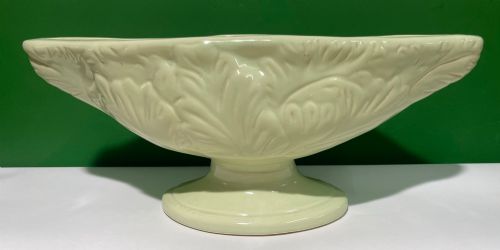
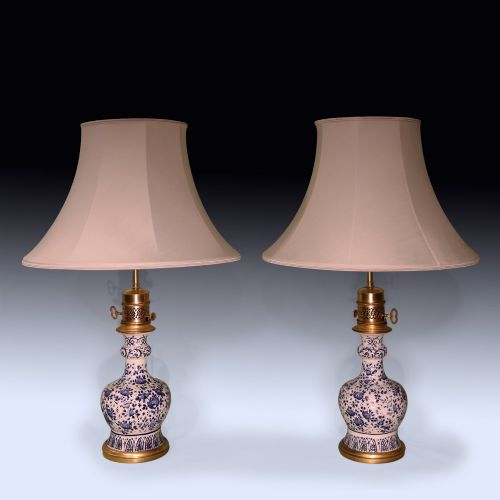
These mid century ceramic pieces span centuries of kilns, bringing sculptural weight and painted colour directly to your room.
Mid Century Ceramic
When searching for mid century ceramic, buyers encounter a diverse selection of figures, vessels, and decorative plates originating from various historic periods. The pieces on this page draw from nineteenth-century earthenware and porcelain traditions as well as earlier and later eras.
Vases, figurines, and tableware dominate the selection, showing stylistic influences from Victorian designs to mid-century modern movements. These objects reflect both utilitarian functions and purely decorative ambitions across European and Asian workshops.
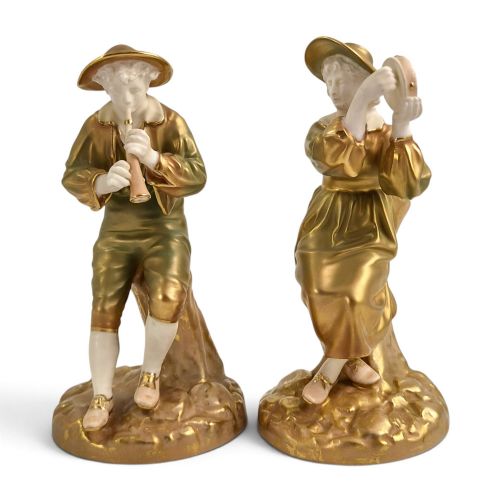
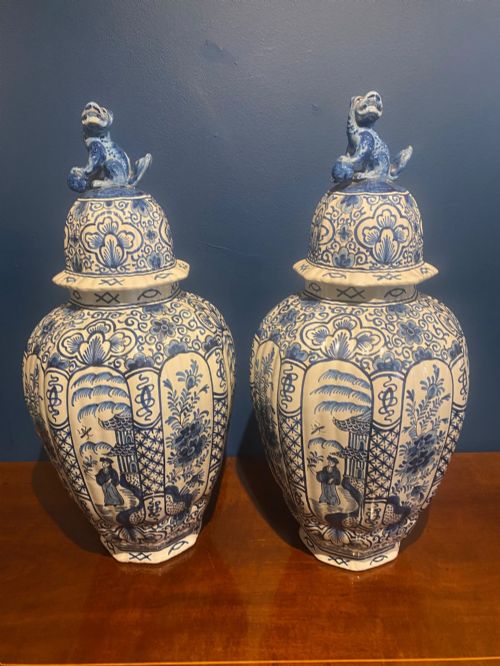
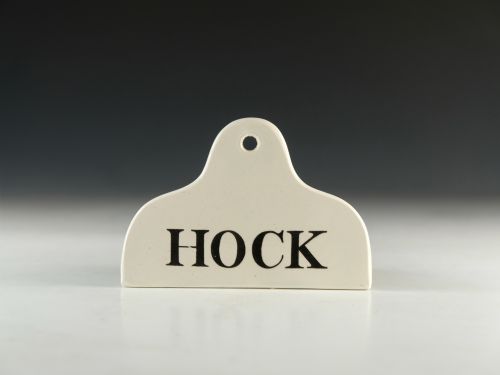
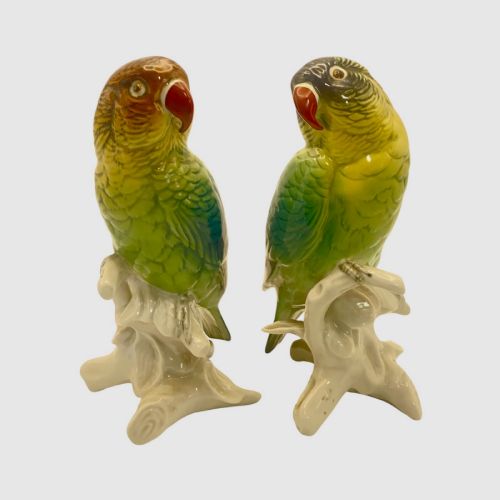
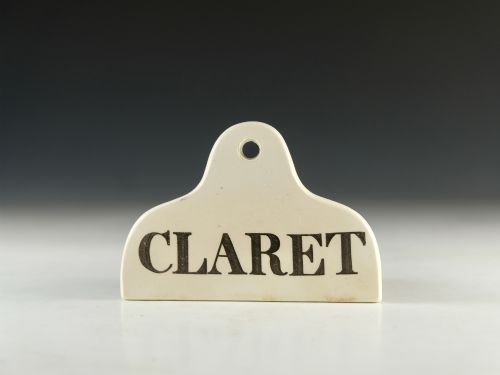
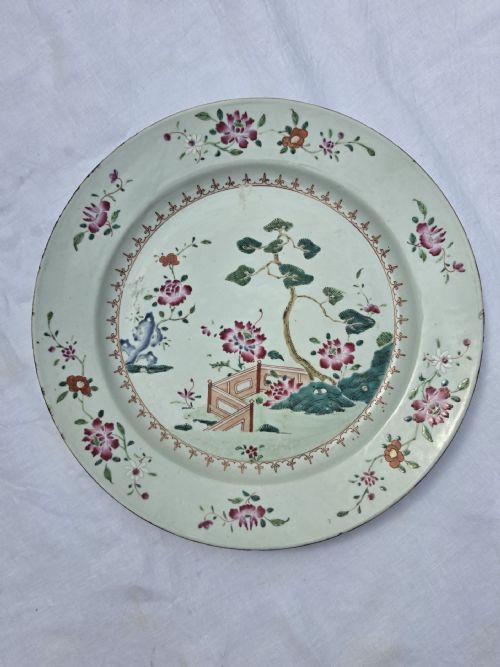
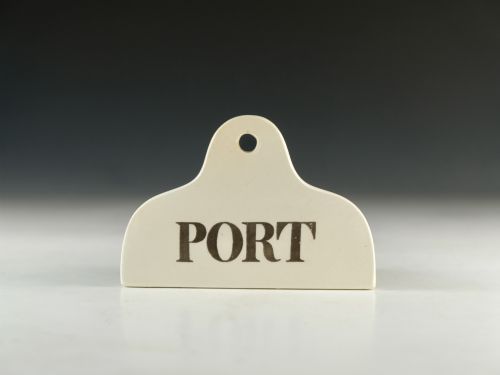
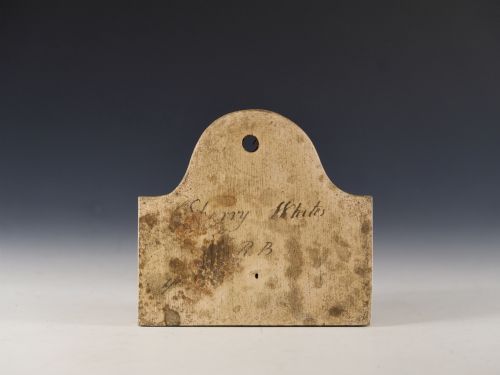
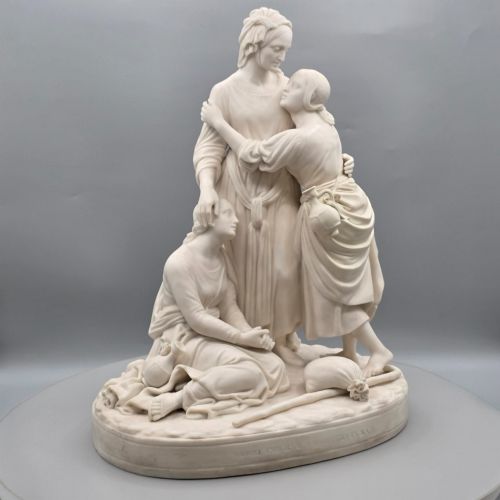
Origins range widely from English potteries and continental European factories to Chinese export kilns. Buyers find everything from utilitarian wine cellar labels to elaborate Parian groups and hand-painted Dutch delftware.
How they were made
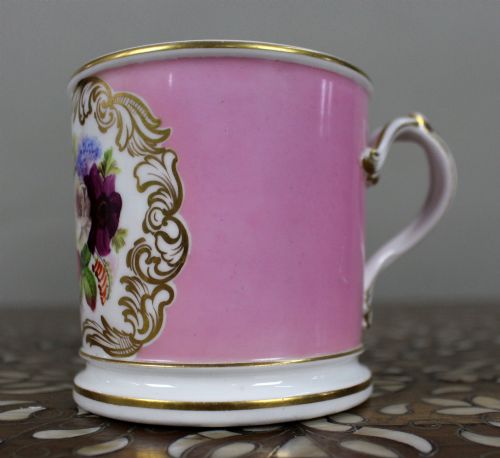
Makers shaped these objects using earthenware, stoneware, bone china, and porcelain, applying glazes such as tin glaze and complex drip effects to the surfaces. Many items feature hand-painted details, cobalt blue grounds, or intricate relief-moulding executed directly in the clay.
Firing techniques varied from traditional wood-kiln methods to more controlled industrial processes, allowing for precise control over polychrome enamels and gilding. Artisans utilised techniques like transfer printing alongside delicate brushwork to achieve enduring surface decoration.
Mid Century Ceramic Retail Price Guide 2026
Typical asking prices for mid century ceramic among the pieces listed under this phrase on Sellingantiques today, from the lower quarter to the upper quarter. They describe what is for sale here now, not the wider market.
Listings feature eighteenth and nineteenth-century periods, utilising earthenware, porcelain, and tin glaze across diverse forms.
What varies in quality
The complexity of the glaze chemistry and the depth of the palette dictate the visual impact of a vessel. Well-preserved enamels, secure gilding, and balanced proportions signal the work of accomplished modellers and skilled decorators.
Karl Ens·Grainger Worcester·Minton·Longton Hall·Mason's Ironstone·Meissen·Thomas Parr·John Ridgway·Charles Meigh·Wedgwood·Royal Worcester·Richard Ginori
The Mid Century Ceramic Glossary
- Earthenware
- Porous pottery fired at lower temperatures, typically requiring a glaze to become impermeable to liquids. It forms the body of many traditional figures and utilitarian vessels.
- Parian
- A fine white unglazed porcelain developed in the nineteenth century to imitate marble, often utilised for classical figures and portrait busts.
- Tin Glaze
- An opaque white glaze containing tin oxide, providing a smooth background for painted decoration in traditions such as Dutch delftware.
- Ironstone
- A durable type of heavy earthenware patented in the nineteenth century to offer a tough, practical alternative to true porcelain.
- Animalier
- A nineteenth-century artistic genre dedicated to the realistic representation of animals, frequently translated into ceramic and bronze sculptures.
Mid Century Ceramic: Frequently Asked Questions
What is Parian porcelain?
Parian is a fine, unglazed biscuit porcelain developed in the nineteenth century to resemble carved white marble. It gained immense popularity for portrait busts and classical figures due to its smooth texture.
Potters cast this material in moulds rather than throwing it on a wheel, capturing intricate details in drapery and facial expressions.
How do I care for antique ceramics?
Antique ceramics require gentle handling and should be dusted dry with a soft brush rather than washed under running water. Avoid exposing painted or gilt surfaces to harsh cleaning agents.
Keep pieces away from direct sunlight and areas subject to rapid temperature fluctuations to protect fragile glazes and historic bodies.
Are these pieces waterproof?
Many older vessels, particularly earthenware and porous historical items, are not reliably watertight due to age and hairline crazing in the glaze. Using a discreet internal glass liner is advisable if you intend to display fresh flowers.
Stoneware and high-fired porcelain vessels are generally more resilient, but caution remains wise with antique items.
How do I identify a period?
Dating relies upon a combination of paste composition, glaze characteristics, factory marks, and stylistic clues inherent to the manufacturing era. Comparing the modelling style to documented pieces from known workshops provides reliable confirmation.
Base marks, where present, often point to specific decades or registry dates assigned during production.